


At a glance
Summary
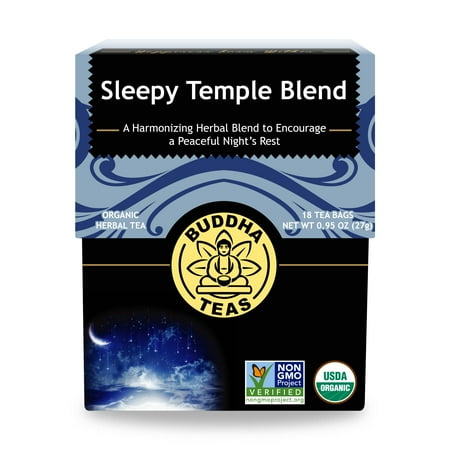
This herbal tea tisane is composed entirely of natural, minimally processed ingredients such as anise, thyme, chamomile, sage, lavender, damask rose, and melissa, all of which are known for their beneficial properties. The absence of artificial additives, sweeteners, or preservatives contributes to its high score, reflecting its clean label and minimal processing level.
Key ingredients 7
AniseVery Good
Anise is known for its digestive benefits and soothing properties. It contains compounds that may help alleviate bloating and indigestion. Additionally, it has a pleasant flavor that enhances the overall taste of the tea.
Benefits
Anise is rich in antioxidants and may support digestive health.
ThymeVery Good
Thyme is a herb with strong antimicrobial properties and is often used to support respiratory health. It contains thymol, which is known for its antiseptic qualities. The herb also adds a robust flavor to the tea.
Benefits
Thyme is beneficial for respiratory health and has antimicrobial properties.
ChamomileVery Good
Chamomile is widely recognized for its calming effects and ability to promote relaxation and sleep. It contains apigenin, an antioxidant that binds to certain receptors in the brain. Chamomile is often used to reduce anxiety and improve sleep quality.
Benefits
Chamomile promotes relaxation and may improve sleep quality.
SageVery Good
Sage is known for its cognitive-enhancing properties and potential to improve memory. It contains rosmarinic acid, which has anti-inflammatory effects. Sage also adds a distinct flavor to the tea.
Benefits
Sage may enhance cognitive function and has anti-inflammatory properties.
LavenderVery Good
Lavender is often used for its calming and stress-relieving properties. It contains linalool, which is known to have a relaxing effect on the nervous system. Lavender also imparts a floral aroma to the tea.
Benefits
Lavender is beneficial for stress relief and relaxation.
Damask RoseVery Good
Damask rose is valued for its aromatic properties and potential mood-enhancing effects. It contains antioxidants that may help reduce oxidative stress. The rose petals add a delicate floral note to the tea.
Benefits
Damask rose may enhance mood and provides antioxidant benefits.
MelissaVery Good
Melissa, also known as lemon balm, is known for its calming effects and ability to reduce anxiety. It contains rosmarinic acid, which may help improve mood and cognitive function. Melissa adds a citrusy flavor to the tea.
Benefits
Melissa is beneficial for reducing anxiety and improving mood.
Processing
Unprocessed or Minimally Processed Foods
Get the full breakdown in the Scout appTake Scout shopping
Scan any product to see lab results, healthy alternatives, and your personalized analysis.
Download on theApp Store GET IT ONGoogle Play