
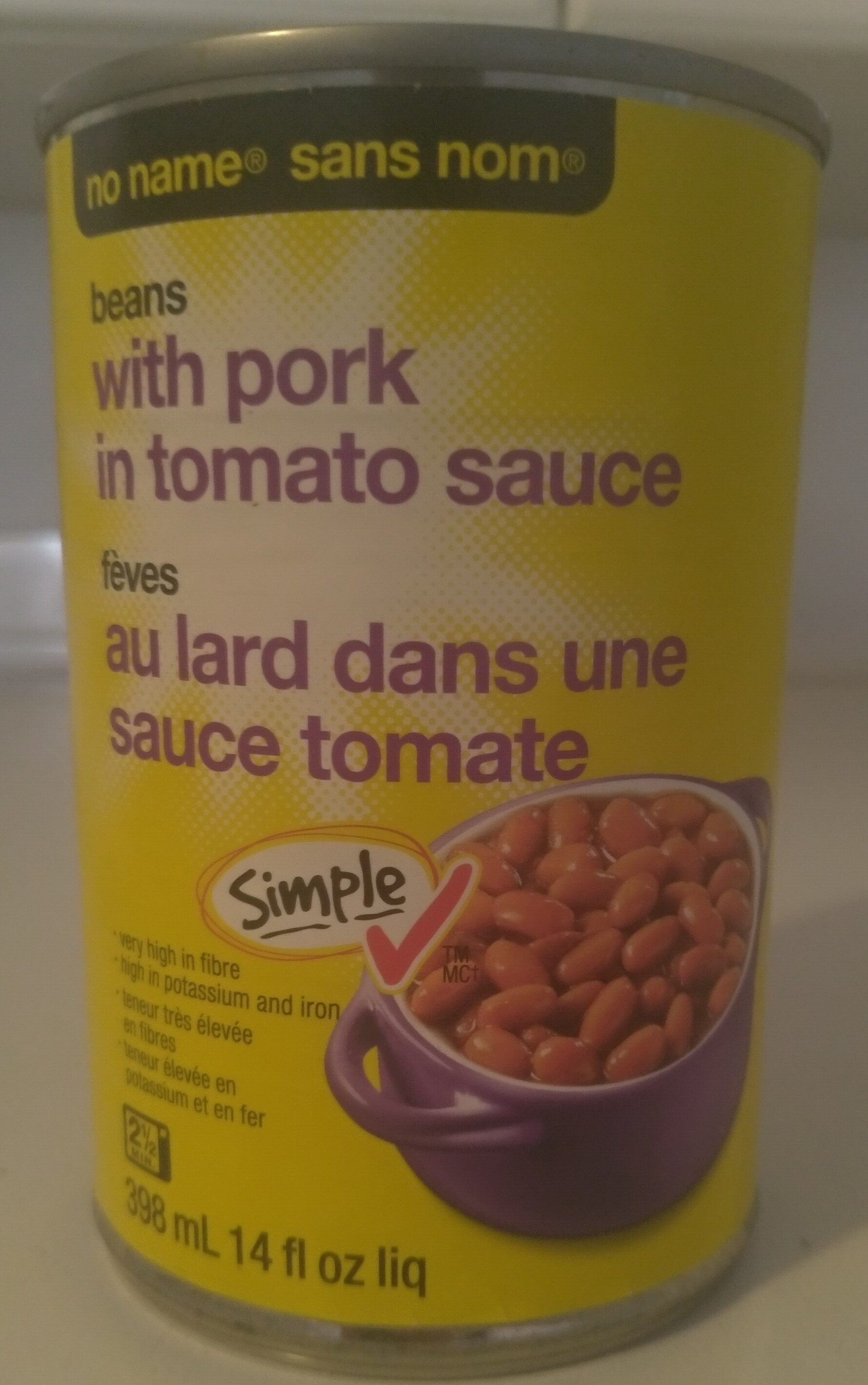

beans with pork in tomato sauce
Summary
This product contains beneficial ingredients like white beans, which provide protein and fiber. However, it is heavily processed and includes refined sugars, which can negatively impact blood sugar levels. The presence of pork fat and the high processing level further limit its health benefits, despite the positive nutritional aspects of the beans.
At a glance
Key ingredients 8
White beansGood
White beans are a good source of plant-based protein and fiber, supporting digestive health and satiety. They are minimally processed and retain most of their natural nutrients. Compared to refined grains, they offer a more complex nutrient profile.
Benefits
Rich in fiber and protein, which can aid in digestion and help maintain muscle mass.
WaterNeutral
Water is used as a solvent and carrier in food products, contributing to texture and consistency. It is a neutral ingredient with no direct nutritional impact. Its presence is essential for the preparation and cooking of beans.
See more about Water →SugarsBad
Sugars, including brown sugar, glucose-fructose, and blackstrap molasses, contribute to the product's sweetness but can lead to excessive calorie intake. These sugars are refined and can impact blood sugar levels negatively. Compared to natural sweeteners, they offer fewer health benefits.
Risks
High consumption of refined sugars can lead to obesity, diabetes, and other metabolic disorders.
Benefits
Blackstrap molasses contains some minerals like iron and calcium, but these benefits are minimal compared to the risks of sugar consumption.
Tomato pasteNeutral
Tomato paste is a concentrated source of tomatoes, providing flavor and color to the dish. It is processed but retains some nutrients like lycopene, a beneficial antioxidant. Compared to fresh tomatoes, it has a more intense flavor but less vitamin C.
Benefits
Contains lycopene, which may have antioxidant properties and support heart health.
SaltNeutral
Salt is used to enhance flavor and preserve the product. While necessary in small amounts, excessive consumption can lead to health issues. It is a common ingredient in processed foods, contributing to overall sodium intake.
Risks
High sodium intake can increase the risk of hypertension and cardiovascular diseases.
Benefits
Essential for maintaining fluid balance and nerve function in the body.
Pork fatNeutral
Pork fat adds flavor and richness to the dish, providing a source of animal fat. It is less processed than seed oils but can be high in saturated fats. Compared to lean meats, it offers more calories and less protein.
Risks
High in saturated fats, which can contribute to cardiovascular disease if consumed in excess.
Benefits
Provides flavor and can be a source of energy.
Onion powderNeutral
Onion powder is a dehydrated form of onions, used for flavoring. It retains some of the beneficial compounds found in fresh onions, such as antioxidants. However, it lacks the fresh onion's water content and some nutrients.
Benefits
Contains antioxidants that may support immune health.
SpicesNeutral
Spices, including mustard, add flavor and complexity to the dish. They are minimally processed and can offer some health benefits. Mustard, in particular, contains compounds that may have anti-inflammatory properties.
Benefits
May provide anti-inflammatory benefits and enhance the flavor profile of the dish.
Processing
Ultra-Processed Foods
Get the full breakdown in the Scout app
Scan any product to see lab results, healthy alternatives, and your personalized analysis.
Download on theApp Store