


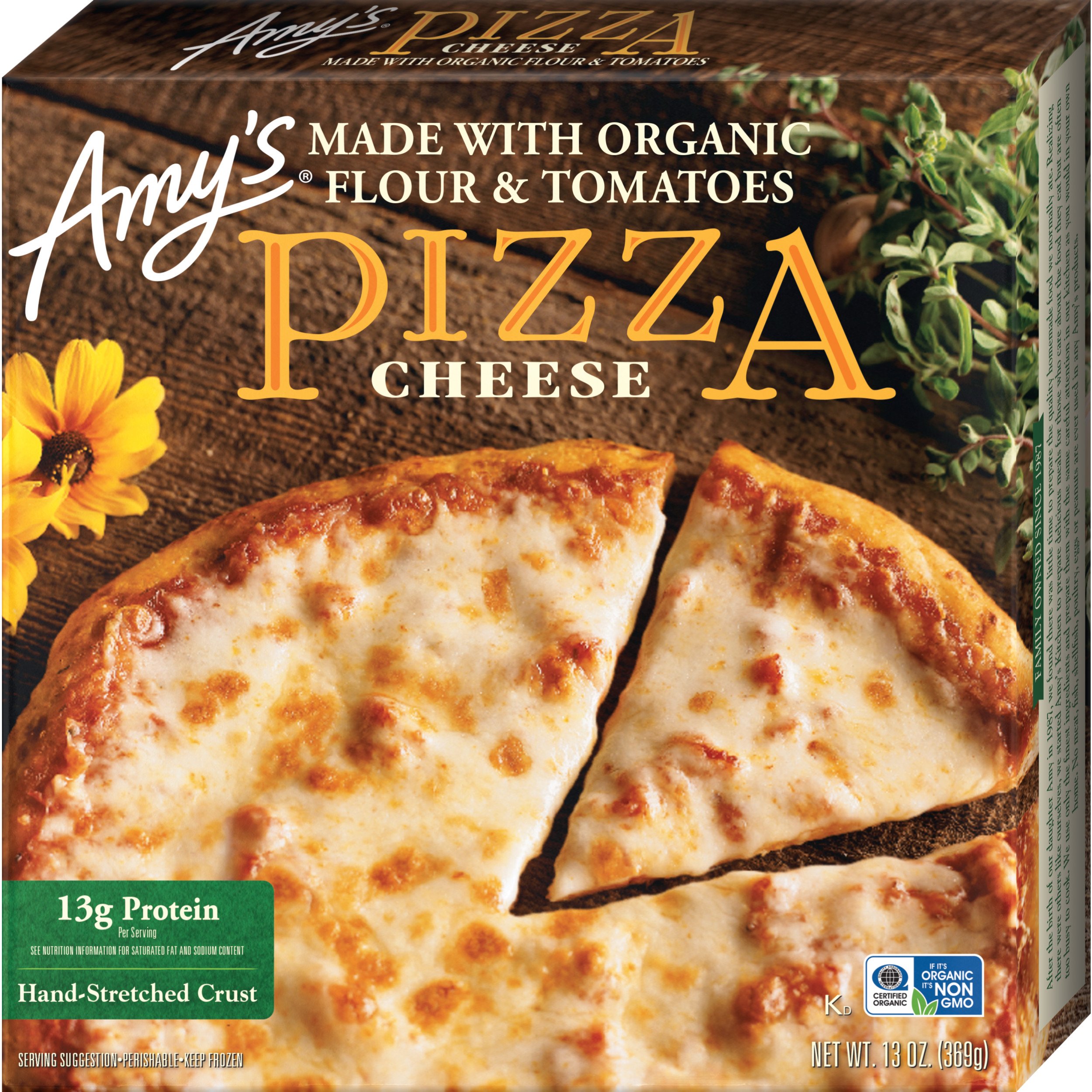


Cracker Barrel 3 Cheese Pizza
Analysis updated July 2026 · How Scout scores
At a glance
Summary
This pizza features high-quality cheeses like mozzarella, cheddar, and provolone, which are good sources of protein and calcium. However, the presence of cellulose powder as an anti-caking agent suggests a higher level of processing, which slightly detracts from the overall quality. The product is processed, limiting its score potential despite the beneficial ingredients.
Key ingredients 12
Pizza MozzarellaGood
Mozzarella is a good source of protein and calcium, essential for bone health. It is a minimally processed cheese with a relatively low sodium content compared to other cheeses. The fermentation process used in its production can also provide beneficial probiotics.
Risks
Contains lactose, which may cause digestive issues for those with lactose intolerance.
Benefits
Provides high-quality protein and calcium, supporting muscle and bone health. Contains probiotics that may benefit gut health.
CheddarGood
Cheddar cheese is rich in protein and calcium, contributing to bone and muscle health. It undergoes an aging process that enhances its flavor and reduces lactose content. The cheese also contains vitamin K2, which is beneficial for cardiovascular health.
Risks
High in saturated fats and sodium, which may contribute to cardiovascular issues if consumed in excess.
Benefits
Rich in protein, calcium, and vitamin K2, supporting bone health and potentially reducing cardiovascular risks.
Provolone CheeseGood
Provolone is a semi-hard cheese that provides a good source of protein and calcium. It is aged, which enhances its flavor and reduces lactose content. The cheese also contains beneficial fats that support overall health.
Risks
Contains saturated fats and sodium, which can be a concern for heart health if consumed in large amounts.
Benefits
Offers high-quality protein and calcium, essential for bone and muscle health. Aging process reduces lactose, making it easier to digest for some individuals.
MilkGood
Whole dairy ingredient.
Risks
May cause digestive issues for those with lactose intolerance.
Benefits
Rich in calcium and vitamin D, supporting bone health and overall nutrition.
Modified Milk IngredientsNeutral
Modified milk ingredients are used to enhance texture and nutritional content in processed foods. They are derived from milk but undergo processing to alter their properties. While they provide similar nutrients to milk, the processing may reduce some natural benefits.
Risks
Processing may reduce some natural nutrients and can be a concern for those seeking whole, unprocessed foods.
Benefits
Provide similar nutrients to milk, such as calcium and protein, supporting bone and muscle health.
SaltNeutral
Salt is used to enhance flavor and preserve food. It is a necessary nutrient for maintaining fluid balance and nerve function. However, excessive consumption can lead to hypertension and cardiovascular issues.
Risks
High sodium intake is associated with increased risk of hypertension and cardiovascular diseases.
Benefits
Essential for maintaining fluid balance and nerve function in the body.
Bacterial CultureNeutral
Bacterial cultures are used in cheese production to ferment milk, aiding in flavor development and preservation. They can also contribute to gut health by providing probiotics. The specific strains used can vary, affecting the health benefits.
Benefits
May provide probiotics that support gut health and aid in digestion.
Calcium ChlorideNeutral
Calcium chloride is used in cheese making to improve curd formation and texture. It is a food-grade additive that helps maintain firmness in processed foods. While generally safe, excessive consumption can lead to hypercalcemia.
Risks
Excessive intake may lead to hypercalcemia, but this is unlikely in typical food consumption.
Benefits
Improves cheese texture and firmness, enhancing the quality of the final product.
Microbial EnzymeNeutral
Microbial enzymes are used in cheese production to coagulate milk, replacing animal rennet. They are derived from microorganisms and are suitable for vegetarians. These enzymes are essential for cheese making but do not provide direct nutritional benefits.
Benefits
Facilitates cheese production, making it suitable for vegetarians and enhancing the product's appeal.
LipaseNeutral
Lipase is an enzyme used in cheese making to enhance flavor by breaking down fats. It is naturally occurring and contributes to the development of characteristic cheese flavors. While it aids in flavor development, it does not provide direct health benefits.
Benefits
Enhances cheese flavor, contributing to the overall sensory experience of the product.
NatamycinNeutral
Natamycin is a natural antifungal agent used to prevent mold growth on cheese. It is considered safe and effective for preserving food quality. While it does not provide nutritional benefits, it extends the shelf life of cheese products.
Benefits
Prevents mold growth, extending the shelf life and safety of cheese products.
Cellulose PowderBad
Cellulose powder is used as an anti-caking agent in shredded cheese products. It is derived from plant fibers and is considered safe but offers no nutritional benefits. Overuse in processed foods can indicate lower quality and excessive processing.
Risks
May indicate excessive processing and lower quality in food products.
Benefits
Prevents clumping in shredded cheese, maintaining product quality and usability.
Processing
Processed Foods
Get the full breakdown in the Scout appTake Scout shopping
Scan any product to see lab results, healthy alternatives, and your personalized analysis.
Download on theApp Store GET IT ONGoogle PlayAmazon pricing & content
Amazon price as of . Product prices and availability are accurate as of the date/time indicated and are subject to change. Any price and availability information displayed on Amazon.com at the time of purchase will apply to the purchase of this product.
CERTAIN CONTENT THAT APPEARS ON THIS SITE COMES FROM AMAZON. THIS CONTENT IS PROVIDED “AS IS” AND IS SUBJECT TO CHANGE OR REMOVAL AT ANY TIME.