
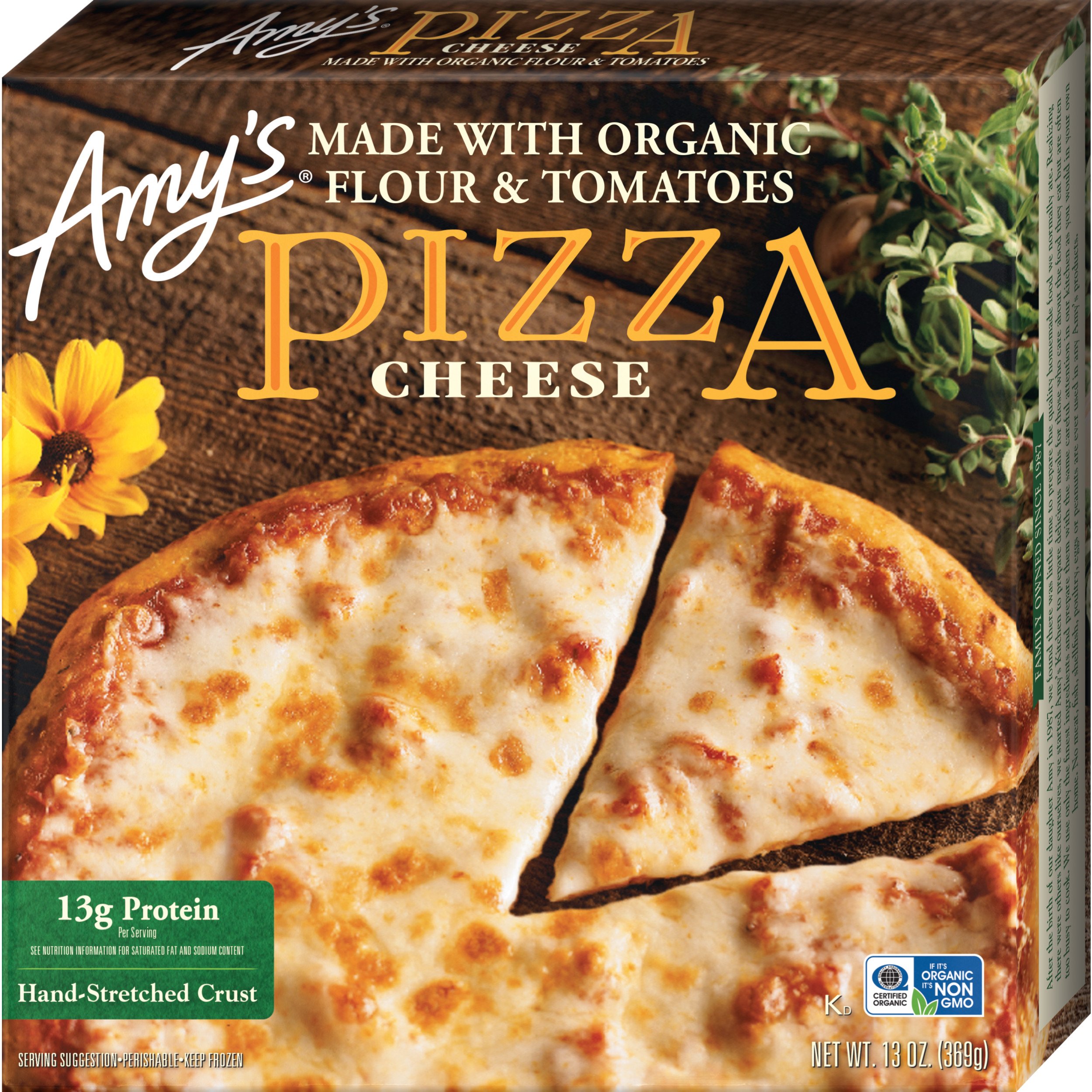


Amy's Cheese Pizza
Analysis updated July 2026 · How Scout scores
At a glance
Summary
This cheese pizza features a clean ingredient list with organic unbleached wheat flour, part-skim mozzarella cheese, and organic tomato purée, which are minimally processed and provide essential nutrients. The use of organic ingredients and the absence of harmful additives like seed oils or artificial colors contribute positively to its health profile. However, as a processed food, its score is capped due to the level of processing involved.
Key ingredients 10
Organic Unbleached Wheat FlourGood
Organic unbleached wheat flour is a minimally processed ingredient that retains more nutrients compared to bleached flour. The organic certification indicates it is free from synthetic pesticides and fertilizers. It provides essential carbohydrates and some fiber.
Risks
Contains gluten, which may cause issues for individuals with celiac disease or gluten sensitivity.
Benefits
Provides carbohydrates for energy and some dietary fiber, contributing to digestive health.
Part-Skim Mozzarella CheeseGood
Part-skim mozzarella cheese is a source of protein and calcium, essential for bone health. It is lower in fat compared to whole milk cheese, making it a healthier option. The cheese is made through traditional fermentation processes.
Risks
Contains lactose, which may cause digestive issues for lactose-intolerant individuals.
Benefits
Provides protein and calcium, supporting muscle function and bone health.
Pasteurized Part-Skim MilkGood
Pasteurized part-skim milk is a source of protein and calcium, important for bone and muscle health. The pasteurization process ensures safety by eliminating harmful bacteria. It is lower in fat, making it a healthier choice.
Risks
Contains lactose, which may cause issues for those with lactose intolerance.
Benefits
Rich in calcium and protein, supporting bone density and muscle maintenance.
CultureGood
Cultures are beneficial bacteria used in cheese making to develop flavor and texture. They contribute to gut health by promoting a healthy microbiome. The fermentation process enhances nutrient absorption.
Benefits
Supports digestive health by promoting beneficial gut bacteria.
Organic Tomato PuréeGood
Organic tomato purée is a concentrated source of tomatoes, providing vitamins and antioxidants like lycopene. The organic certification ensures it is free from synthetic pesticides. It contributes to the flavor and nutritional profile of the product.
Benefits
Rich in vitamins A and C, and antioxidants that support immune function and reduce inflammation.
Organic HoneyGood
Beneficial ingredient — whole-food or functional value in this product class.
Risks
High in sugars, which can contribute to weight gain and blood sugar spikes if consumed in excess.
Benefits
Provides natural sweetness and contains trace nutrients.
Sea SaltGood
Sea salt is a minimally processed salt that retains trace minerals. It is used for seasoning and preserving food. The presence of minerals like magnesium and potassium can offer additional health benefits.
Risks
Excessive intake can lead to high blood pressure and cardiovascular issues.
Benefits
Contains trace minerals that support electrolyte balance and overall health.
Filtered WaterNeutral
Filtered water is used as a solvent and to hydrate ingredients. It is free from impurities and contaminants. It does not contribute any nutritional value.
See more about Filtered Water →SaltNeutral
Salt is used for flavor enhancement and preservation. It is a common culinary ingredient with no additional processing. Excessive consumption can lead to health issues.
Risks
High sodium intake can contribute to hypertension and cardiovascular issues.
Benefits
Enhances flavor and acts as a preservative in foods.
EnzymesNeutral
Enzymes are used in cheese making to aid in the coagulation of milk. They are naturally occurring proteins that facilitate biochemical reactions. They do not contribute any nutritional value.
Benefits
Essential for the cheese-making process, aiding in milk coagulation.
Processing
Processed Foods
Get the full breakdown in the Scout appTake Scout shopping
Scan any product to see lab results, healthy alternatives, and your personalized analysis.
Download on theApp Store GET IT ONGoogle PlayAmazon pricing & content
Amazon price as of . Product prices and availability are accurate as of the date/time indicated and are subject to change. Any price and availability information displayed on Amazon.com at the time of purchase will apply to the purchase of this product.
CERTAIN CONTENT THAT APPEARS ON THIS SITE COMES FROM AMAZON. THIS CONTENT IS PROVIDED “AS IS” AND IS SUBJECT TO CHANGE OR REMOVAL AT ANY TIME.