
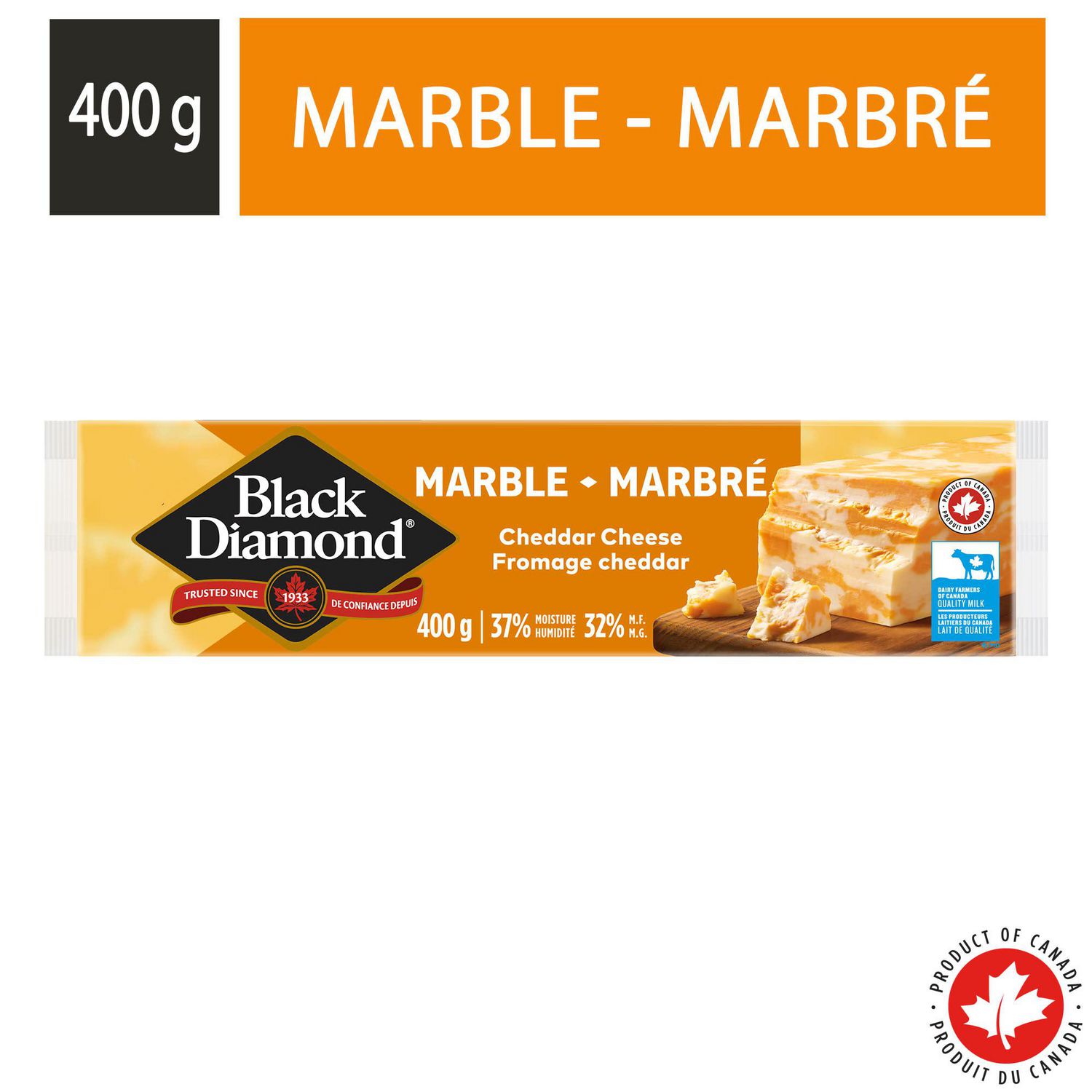


Black Diamond Cheese Marble Cheddar
Analysis updated September 2026 · How Scout scores
At a glance
Summary
This cheese product is considered ultra-processed due to the inclusion of modified milk ingredients and microbial enzymes, which contribute to its processing level. While it contains beneficial ingredients like milk and cream, the presence of additives such as annatto and the processing level limit its score. Despite having a relatively clean ingredient list for its category, the ultra-processing cap restricts its potential rating.
Key ingredients 8
MilkGood
Milk is a primary source of calcium and protein, essential for bone health and muscle maintenance. It is minimally processed and provides a range of vitamins and minerals. The quality of milk can vary based on the source, with grass-fed options being more beneficial.
Risks
Potential risks include lactose intolerance and allergies in some individuals.
Benefits
Rich in calcium and protein, supporting bone health and muscle function. Provides essential vitamins and minerals such as vitamin D and B12.
CreamGood
Traditional whole-fat dairy ingredient.
Risks
High in saturated fat, which may contribute to heart disease if consumed in excess.
Benefits
Adds richness and flavor to foods, and provides fat-soluble vitamins like A and D.
Modified milk ingredientsNeutral
Modified milk ingredients are used to enhance texture and consistency in dairy products. They are processed derivatives of milk, such as milk solids or whey. While they provide similar nutrients to milk, they are more processed.
Risks
May contain lactose, which can be problematic for those with lactose intolerance.
Benefits
Provides similar nutritional benefits to milk, including protein and calcium.
SaltNeutral
Salt is used as a preservative and flavor enhancer in cheese. It is a necessary nutrient but should be consumed in moderation. Excessive intake can lead to health issues such as hypertension.
Risks
High sodium intake is linked to increased blood pressure and cardiovascular risk.
Benefits
Essential for maintaining fluid balance and nerve function in the body.
Bacterial cultureNeutral
Bacterial cultures are used in cheese production to ferment lactose and develop flavor. They are essential for the cheesemaking process and contribute to the texture and taste. The specific strains used can influence the final product's characteristics.
Benefits
Contributes to the development of flavor and texture in cheese. May provide probiotic benefits depending on the strains used.
Calcium chlorideNeutral
Calcium chloride is used in cheese making to improve curd formation and firmness. It is a mineral salt that helps maintain the structure of the cheese. It is generally recognized as safe when used in food processing.
Benefits
Enhances the texture and firmness of cheese, aiding in the cheesemaking process.
AnnattoNeutral
Annatto is a natural coloring agent derived from the seeds of the achiote tree. It is used to give cheese its characteristic yellow-orange color. It is minimally processed and considered safe for consumption.
Risks
May cause allergic reactions in sensitive individuals.
Benefits
Provides natural color to foods without the use of synthetic dyes.
Microbial enzymeNeutral
Microbial enzymes are used in cheese production to coagulate milk, replacing animal rennet. They are derived from microbial sources and are suitable for vegetarian products. These enzymes are essential for the cheesemaking process.
Benefits
Facilitates the coagulation of milk in cheese production, suitable for vegetarian diets.
Processing
Ultra-Processed Foods
Get the full breakdown in the Scout appTake Scout shopping
Scan any product to see lab results, healthy alternatives, and your personalized analysis.
Download on theApp Store GET IT ONGoogle PlayAmazon pricing & content
Amazon price as of . Product prices and availability are accurate as of the date/time indicated and are subject to change. Any price and availability information displayed on Amazon.com at the time of purchase will apply to the purchase of this product.
CERTAIN CONTENT THAT APPEARS ON THIS SITE COMES FROM AMAZON. THIS CONTENT IS PROVIDED “AS IS” AND IS SUBJECT TO CHANGE OR REMOVAL AT ANY TIME.