



At a glance
Summary
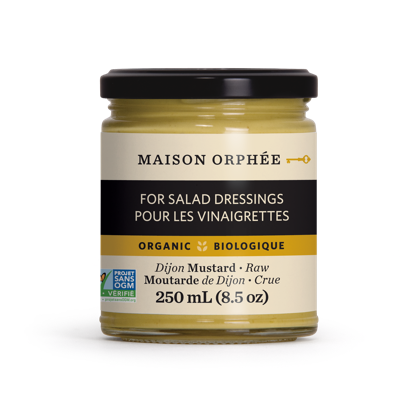
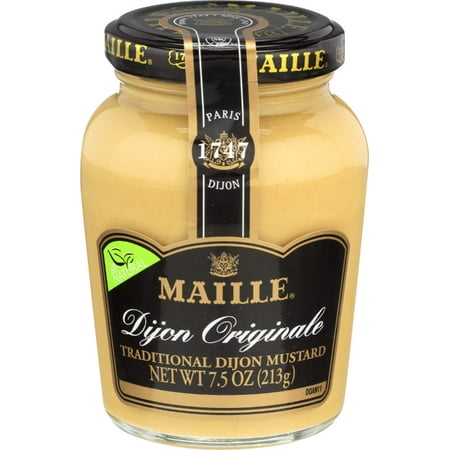
This Dijon mustard contains a relatively clean ingredient list with vinegar and mustard seed as primary components, which are beneficial for flavor and potential health benefits. However, it is classified as ultra-processed due to the presence of multiple additives like citric acid and tartaric acid, which limits its score. Despite the processing level, the absence of harmful ingredients like seed oils or artificial sweeteners helps maintain a moderate rating.
Key ingredients 9
VinegarGood
Vinegar is a fermented product that can aid in digestion and provide a tangy flavor. It is known for its potential to help regulate blood sugar levels. The fermentation process may also contribute beneficial acetic acid.
Risks
Excessive consumption may lead to enamel erosion or digestive discomfort.
Benefits
May help in regulating blood sugar levels and improving digestion due to its acetic acid content.
WaterNeutral
Water is a neutral ingredient used as a solvent and to adjust the consistency of the product. It does not contribute any nutritional value or health risks. It is essential for the formulation but does not impact health directly.
See more about Water →Mustard SeedNeutral
Mustard seed is the primary flavoring agent in Dijon mustard, providing a distinct pungent taste. It contains compounds like glucosinolates, which may have health benefits. However, in condiment form, its nutritional impact is minimal.
Benefits
Contains glucosinolates, which may have antioxidant properties.
SaltNeutral
Salt is used to enhance flavor and preserve the product. It is a common ingredient in condiments but contributes to high sodium content. While necessary for flavor, excessive intake can lead to health issues.
Risks
High sodium intake can contribute to hypertension and cardiovascular issues.
Benefits
Essential for flavor enhancement and preservation.
White WineNeutral
White wine is used to add depth of flavor and acidity to the mustard. It is a traditional ingredient in Dijon mustard but does not significantly impact nutritional value. The alcohol content is typically negligible after processing.
Benefits
Adds complexity and depth to the flavor profile of the mustard.
Fruit PectinNeutral
Fruit pectin is used as a gelling agent to improve texture and consistency. It is derived from fruits and is generally considered safe. It does not contribute significant nutritional value in small amounts.
Benefits
Improves texture and consistency without adding calories or fat.
Citric AcidNeutral
Citric acid is used as a preservative and to add acidity to the product. It is a common food additive derived from citrus fruits. It helps maintain freshness and flavor stability.
Risks
Excessive consumption may cause tooth enamel erosion.
Benefits
Helps preserve the product and enhance its flavor.
Tartaric AcidNeutral
Tartaric acid is used to enhance acidity and stabilize the product. It is naturally found in grapes and is commonly used in winemaking. It contributes to the tangy taste of the mustard.
Benefits
Enhances flavor and stability of the product.
SpiceNeutral
Spice is used to enhance the flavor profile of the mustard. The specific spices are not detailed, but they contribute to the overall taste. They are typically used in small amounts and do not significantly impact nutrition.
Benefits
Enhances the flavor profile of the mustard.
Processing
Ultra-Processed Foods
Get the full breakdown in the Scout appTake Scout shopping
Scan any product to see lab results, healthy alternatives, and your personalized analysis.
Download on theApp Store GET IT ONGoogle Play