


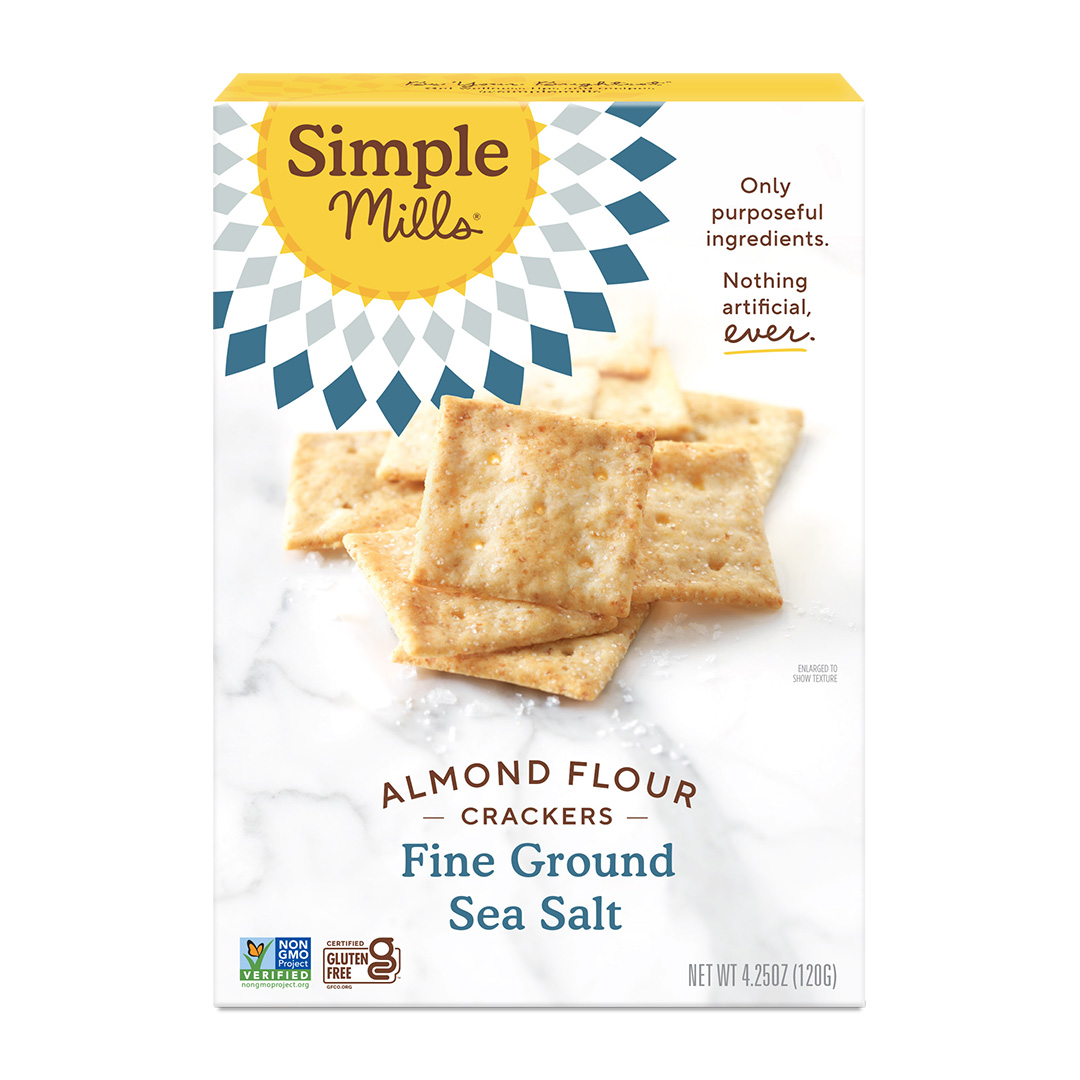

Harvest Snaps Organic Sea Salt
Summary
This product contains organic ingredients such as green peas and rice, which are beneficial for their nutritional value. However, the presence of multiple seed oils like canola, safflower, and sunflower, which are high in omega-6 fatty acids, raises concerns due to their potential to promote inflammation. Additionally, the product is processed, which limits its score despite the organic certification and absence of artificial additives.
At a glance
Key ingredients 9
Organic green peasVery Good
Organic green peas are a high-quality source of plant-based protein and fiber. Being organic, they are free from synthetic pesticides and GMOs, enhancing their nutritional profile. They provide essential vitamins and minerals, supporting overall health.
Benefits
Rich in protein and fiber, which support digestive health and provide sustained energy. Contains vitamins and minerals that contribute to a balanced diet.
Organic vegetable oilVery Bad
Organic vegetable oil, often a blend of seed oils, is high in omega-6 fatty acids, which can promote inflammation. Despite being organic, the processing methods can strip beneficial nutrients. It is less favorable compared to oils high in monounsaturated fats.
Risks
High omega-6 content may promote inflammation when consumed in excess.
Organic canola oilVery Bad
Organic canola oil is a seed oil high in omega-6 fatty acids, which can contribute to inflammation. Although organic, it is often highly processed, which can reduce its nutritional quality. It is not as beneficial as oils rich in omega-3 or monounsaturated fats.
Risks
High omega-6 content may promote inflammation when consumed in excess.
Organic safflower oilVery Bad
Organic safflower oil is another seed oil high in omega-6 fatty acids, potentially promoting inflammation. Despite being organic, it is often refined, which can diminish its health benefits. It lacks the beneficial properties of oils rich in monounsaturated fats.
Risks
High omega-6 content may promote inflammation when consumed in excess.
Organic sunflower oilVery Bad
Organic sunflower oil is a seed oil with a high omega-6 fatty acid content, which can lead to inflammation. Even though it is organic, the refining process can remove beneficial nutrients. It is less desirable compared to oils with higher monounsaturated fat content.
Risks
High omega-6 content may promote inflammation when consumed in excess.
Organic riceGood
Organic rice is a clean source of carbohydrates and provides energy. Being organic, it is free from synthetic pesticides and GMOs, which enhances its safety and nutritional value. It serves as a good base ingredient in many food products.
Benefits
Provides a clean source of energy and is free from synthetic additives.
Sea saltGood
Unrefined sea salt — a minimally processed, natural source of sodium and essential trace minerals, and a legitimate whole-food seasoning. Treated as a positive ingredient.
Risks
Excessive sodium intake can lead to hypertension and cardiovascular issues.
Benefits
Provides essential sodium and trace minerals necessary for bodily functions.
Calcium carbonateNeutral
Calcium carbonate is used as a calcium supplement and food additive. It helps in maintaining bone health and is generally recognized as safe. However, excessive consumption can lead to digestive issues.
Risks
Excessive intake may cause digestive discomfort or kidney stones.
Benefits
Supports bone health by providing a source of calcium.
Organic rosemary extractGood
Organic rosemary extract is a natural antioxidant that helps preserve food quality. It is organic, ensuring no synthetic pesticides are used. It may also offer health benefits due to its anti-inflammatory properties.
Benefits
Acts as a natural preservative and may provide anti-inflammatory benefits.
Processing
Processed Foods
Get the full breakdown in the Scout app
Scan any product to see lab results, healthy alternatives, and your personalized analysis.
Download on theApp Store