
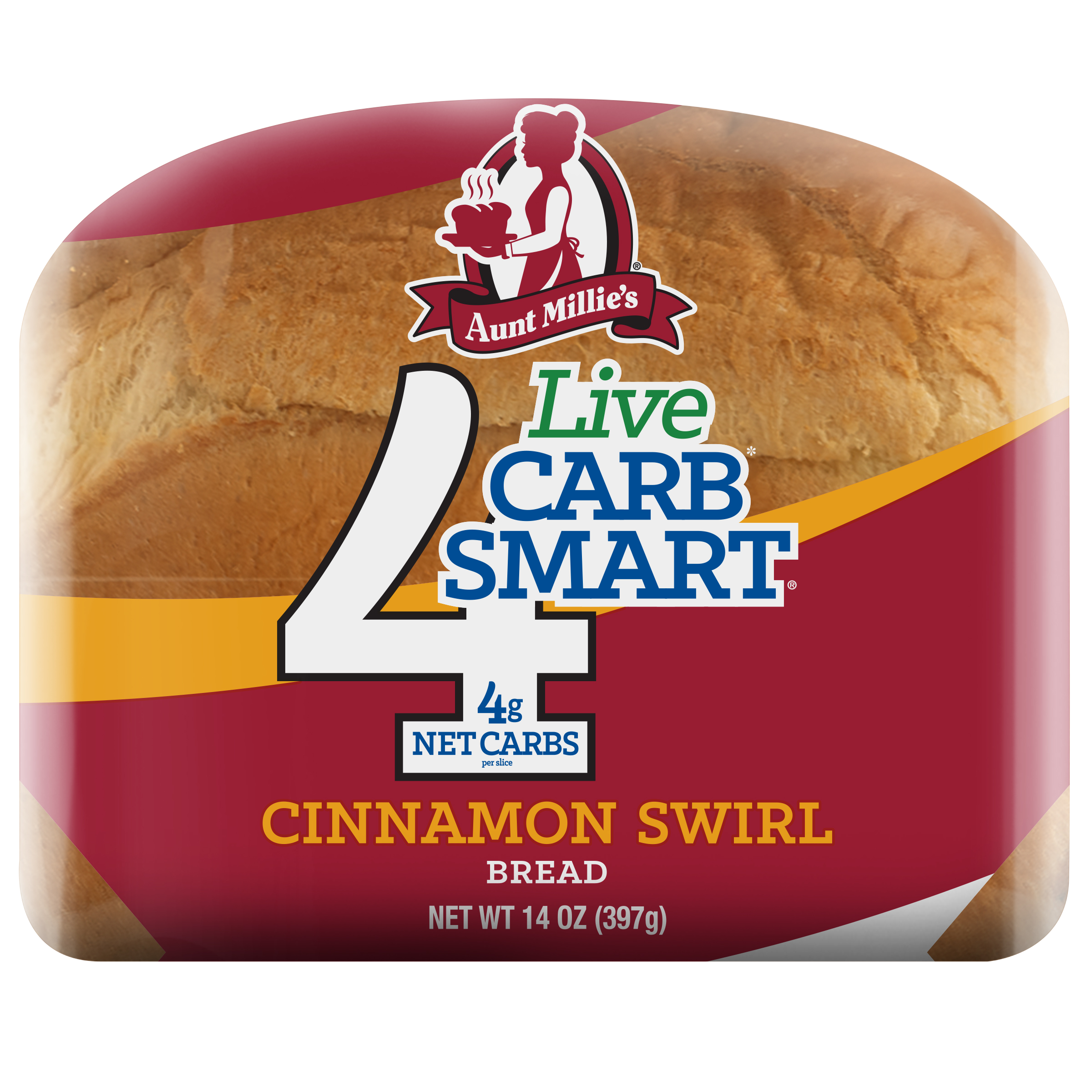


Carb smart cinnamon bread
Analysis updated July 2026 · How Scout scores
At a glance
Summary
This bread contains beneficial ingredients like resistant wheat starch, oat fiber, and cinnamon, which contribute to fiber content and potential health benefits. However, it also includes sugar and soybean oil, which are less desirable due to their potential negative health impacts. The product is moderately processed, which limits its score despite some positive nutritional aspects.
Key ingredients 11
Resistant Wheat StarchGood
Resistant wheat starch is a type of dietary fiber that resists digestion. It can help improve gut health by promoting beneficial bacteria. It also aids in blood sugar control and satiety.
Risks
Excessive consumption may cause digestive discomfort in some individuals.
Benefits
Promotes gut health and aids in blood sugar control due to its fiber content.
Oat FiberGood
Oat fiber is a source of dietary fiber that aids in digestion and promotes satiety. It can help lower cholesterol levels and improve heart health. It is minimally processed and retains beneficial nutrients.
Benefits
Supports digestive health and may help lower cholesterol levels.
CinnamonGood
Cinnamon is a spice known for its antioxidant properties and potential health benefits. It can help regulate blood sugar levels and has anti-inflammatory effects. It is a natural ingredient that enhances flavor without adding calories.
Benefits
Contains antioxidants and may help regulate blood sugar levels.
WaterNeutral
Water is a neutral ingredient used as a solvent and to provide moisture. It does not contribute any calories or nutrients. It is essential for the dough formation and texture.
See more about Water →Wheat GlutenNeutral
Wheat gluten is a protein that provides elasticity and structure to bread. It is beneficial for creating a chewy texture in baked goods. However, it is a common allergen for those with celiac disease or gluten sensitivity.
Risks
Can cause adverse reactions in individuals with gluten intolerance or celiac disease.
Benefits
Provides protein and improves the texture of baked goods.
YeastNeutral
Yeast is a microorganism used in baking to ferment and leaven dough. It contributes to the bread's texture and flavor. It is generally considered safe and beneficial for baking.
Benefits
Helps in dough rising and contributes to the flavor and texture of bread.
Wheat Protein IsolateNeutral
Wheat protein isolate is a concentrated protein source derived from wheat. It is used to increase the protein content of foods. It may not provide as complete an amino acid profile as animal-based proteins.
Risks
May cause allergic reactions in individuals sensitive to wheat proteins.
Benefits
Increases the protein content of foods, beneficial for muscle maintenance.
Corn CerealNeutral
Corn cereal is used as a filler and to add texture to baked goods. It is a source of carbohydrates but is often processed and lacks significant nutritional value. It can contribute to the overall carbohydrate content of the product.
Risks
May contribute to high carbohydrate intake without significant nutritional benefits.
Benefits
Adds texture and bulk to baked goods.
SoybeanNeutral
Soybean is a legume that provides protein and other nutrients. It is used in small amounts in this product. While beneficial in moderation, it can be an allergen for some individuals.
Risks
May cause allergic reactions in individuals sensitive to soy.
Benefits
Provides protein and essential nutrients.
SugarBad
Sugar is a refined carbohydrate that can contribute to increased blood sugar levels. It is often added for sweetness and to aid in yeast fermentation. Excessive consumption is linked to various health issues such as obesity and diabetes.
Risks
High intake can lead to obesity, diabetes, and other metabolic disorders.
Benefits
Provides energy and enhances the flavor of food.
Wheat FlourBad
Refined grain flour stripped of bran and germ.
Risks
May contribute to blood sugar spikes due to its refined nature.
Benefits
Provides energy and is essential for the structure of baked goods.
Processing
Processed Foods
Get the full breakdown in the Scout appTake Scout shopping
Scan any product to see lab results, healthy alternatives, and your personalized analysis.
Download on theApp Store GET IT ONGoogle Play