


At a glance
Summary
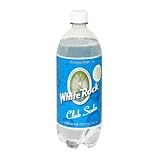
This club soda is made from carbonated water with added minerals like potassium chloride, potassium bicarbonate, and potassium citrate, which are generally considered safe and beneficial for mineral balance. The product is minimally processed, which is favorable, but the use of municipal water as a source could potentially lower its score due to possible contaminants. Additionally, the lack of information on PFAS testing and packaging safety could further impact the overall rating.
Key ingredients 4
Carbonated waterNeutral
Carbonated water is water that has been infused with carbon dioxide gas under pressure. This process creates bubbles and gives the water a fizzy texture, but does not significantly alter its nutritional profile. It is generally considered safe and neutral in terms of health impact.
See more about Carbonated water →Potassium chlorideNeutral
Potassium chloride is used as an electrolyte replenisher and a salt substitute. It is processed to ensure purity and is commonly used in food and beverages to provide potassium, an essential mineral. While it can help maintain electrolyte balance, excessive intake may lead to hyperkalemia.
Risks
Excessive consumption may lead to hyperkalemia, which can cause heart and muscle issues.
Benefits
Provides potassium, which is essential for maintaining proper cellular function and electrolyte balance.
Potassium bicarbonateNeutral
Potassium bicarbonate is an alkaline compound used to regulate acidity and provide potassium. It is processed to ensure it is free from impurities and is often used in beverages to maintain pH balance. While beneficial for providing potassium, excessive intake can disrupt acid-base balance.
Risks
Excessive intake may disrupt acid-base balance and lead to gastrointestinal discomfort.
Benefits
Supplies potassium, which is crucial for nerve function and muscle contraction.
Potassium citrateNeutral
Potassium citrate is a potassium salt of citric acid used to regulate acidity and provide potassium. It is manufactured to be free of contaminants and is used in beverages to enhance flavor and maintain pH. While it provides potassium, excessive consumption can lead to gastrointestinal issues.
Risks
High intake may cause gastrointestinal discomfort and affect acid-base balance.
Benefits
Provides potassium, supporting cardiovascular health and muscle function.
Processing
Unprocessed or Minimally Processed Foods
Get the full breakdown in the Scout appTake Scout shopping
Scan any product to see lab results, healthy alternatives, and your personalized analysis.
Download on theApp Store GET IT ONGoogle Play