
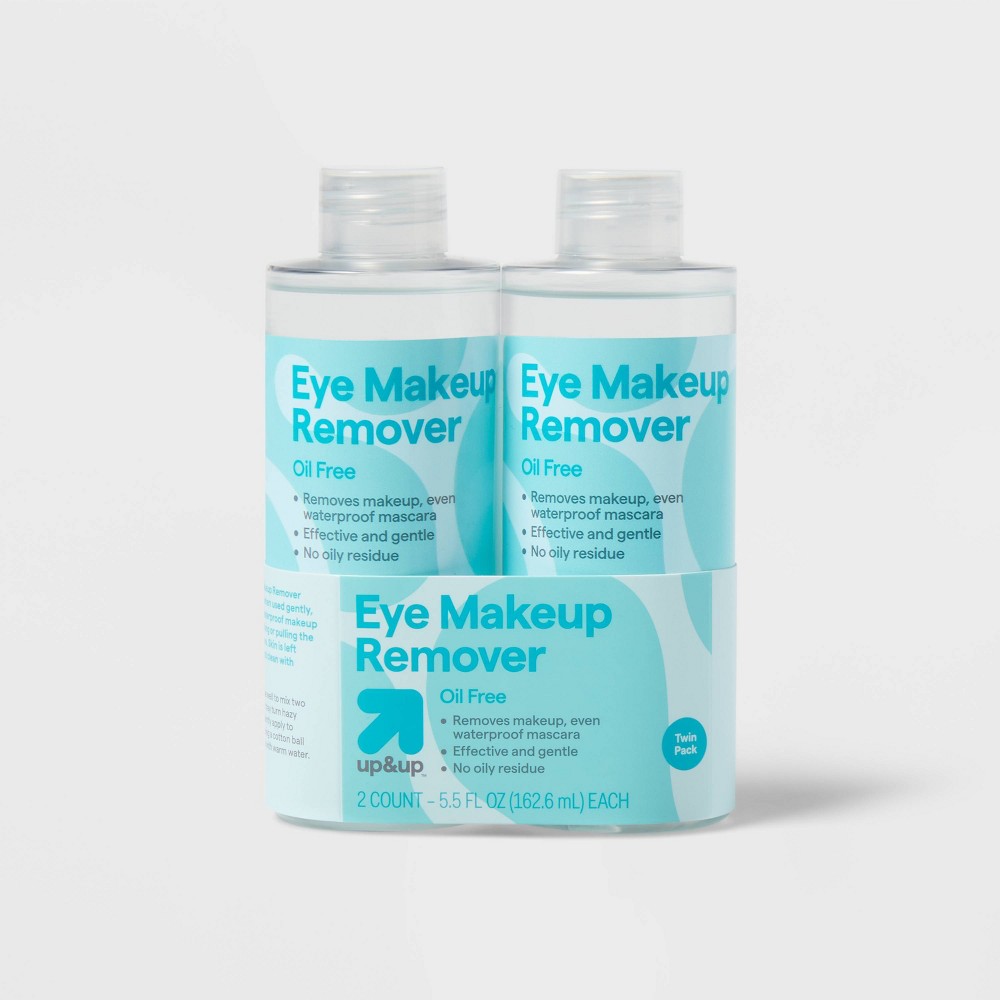
Face Makeup Remover - 5.5fl oz/2pk - up&up™: Hypoallergenic, Oil-Free, Water-Based, Normal Skin
Analysis updated September 2026 · How Scout scores
At a glance
Summary
This face makeup remover contains beneficial ingredients like aloe vera, allantoin, and glycerin, which provide soothing and moisturizing benefits. However, the presence of benzyl alcohol and benzalkonium chloride, which can be irritating to sensitive skin, affects its overall safety profile. The product is moderately processed with a mix of natural and synthetic ingredients, leading to a balanced score.
Key ingredients 16
Aloe Barbadensis Leaf JuiceVery Good
Aloe Barbadensis Leaf Juice is known for its soothing and moisturizing properties. It is often used in skincare for its ability to calm irritated skin. It is a natural ingredient with a long history of safe use.
Risks
Rarely, it may cause allergic reactions in sensitive individuals.
Benefits
Provides hydration and has anti-inflammatory properties, making it beneficial for sensitive skin.
AllantoinVery Good
Allantoin is known for its skin-soothing and healing properties. It helps to protect and regenerate the skin. It is widely used in skincare for its ability to improve skin texture.
Risks
Rarely causes allergic reactions.
Benefits
Promotes skin healing and provides a soothing effect.
GlycerinGood
Glycerin is a well-known humectant that attracts moisture to the skin. It helps in keeping the skin hydrated and soft. It is widely used in skincare for its moisturizing properties.
Risks
Generally considered safe with minimal risk.
Benefits
Provides excellent hydration and improves skin barrier function.
Cucumis Sativus (Cucumber) Fruit ExtractGood
Cucumber Extract is known for its soothing and hydrating properties. It helps to calm irritated skin and provides a refreshing feel. It is a natural ingredient with a long history of safe use.
Risks
Rarely causes allergic reactions.
Benefits
Provides hydration and has anti-inflammatory properties.
WaterNeutral
Water is a common solvent used in cosmetic formulations. It helps dissolve other ingredients and provides a base for the product. It is generally considered safe and non-irritating.
Risks
There are no significant risks associated with water in cosmetics.
Benefits
Water hydrates the skin and helps in the application of the product.
C15-23 AlkaneNeutral
C15-23 Alkane is used as an emollient and skin conditioning agent. It provides a smooth application and helps in moisturizing the skin. It is generally considered safe for use in cosmetics.
Risks
There are minimal risks associated with this ingredient, though it may cause mild irritation in sensitive individuals.
Benefits
It helps in maintaining skin hydration and provides a silky feel.
C13-14 AlkaneNeutral
C13-14 Alkane is a hydrocarbon used for its emollient properties. It helps in improving the texture and spreadability of the product. It is considered safe for use in cosmetics.
Risks
May cause mild irritation if used in high concentrations.
Benefits
Contributes to a smooth and non-greasy feel on the skin.
Sodium ChlorideNeutral
Sodium Chloride is commonly used as a thickening agent in cosmetics. It helps in adjusting the viscosity of the product. It is generally safe and non-irritating.
Risks
Excessive use can lead to dryness or irritation.
Benefits
Contributes to the texture and stability of the formulation.
Dipropylene GlycolNeutral
Dipropylene Glycol is used as a solvent and humectant in cosmetics. It helps in retaining moisture and improving the texture of the product. It is considered safe for use in cosmetics.
Risks
May cause mild irritation in sensitive individuals.
Benefits
Enhances the moisture retention properties of the product.
Poloxamer 182Neutral
Poloxamer 182 is a surfactant used to help cleanse the skin. It aids in the removal of dirt and oil. It is generally considered safe for use in cosmetics.
Risks
May cause mild irritation if used in high concentrations.
Benefits
Effective in cleansing and removing impurities from the skin.
Tripotassium EDTANeutral
Tripotassium EDTA is used as a chelating agent to improve the stability of the product. It helps in binding metal ions that can degrade the product. It is considered safe for use in cosmetics.
Risks
May cause mild irritation in sensitive individuals.
Benefits
Enhances the stability and shelf-life of the product.
Potassium PhosphateNeutral
Potassium Phosphate is used as a buffering agent to maintain the pH of the product. It helps in stabilizing the formulation. It is considered safe for use in cosmetics.
Risks
Minimal risk of irritation.
Benefits
Contributes to the stability and effectiveness of the product.
Dipotassium PhosphateNeutral
Dipotassium Phosphate is used as a buffering agent to maintain the pH of the product. It helps in stabilizing the formulation. It is considered safe for use in cosmetics.
Risks
Minimal risk of irritation.
Benefits
Contributes to the stability and effectiveness of the product.
Benzyl AlcoholBad
Benzyl Alcohol is used as a preservative and solvent in cosmetics. While it is effective in preventing microbial growth, it can be irritating to the skin and eyes. It is considered safe in low concentrations but can cause sensitivity.
Risks
Potential skin irritant, especially in higher concentrations.
Benefits
Helps preserve the product by preventing bacterial growth.
Benzalkonium ChlorideBad
Benzalkonium Chloride is used as a preservative and antimicrobial agent. While effective, it can be irritating to the skin and eyes. It is considered safe in low concentrations but can cause sensitivity.
Risks
Potential skin and eye irritant.
Benefits
Prevents microbial growth, enhancing product safety.
Propylene GlycolBad
Processed additive flagged under Scout's ingredient doctrine.
Risks
May cause mild irritation in sensitive individuals.
Benefits
Enhances the moisture retention properties of the product.
Get the full breakdown in the Scout appTake Scout shopping
Scan any product to see lab results, healthy alternatives, and your personalized analysis.
Download on theApp Store GET IT ONGoogle Play