
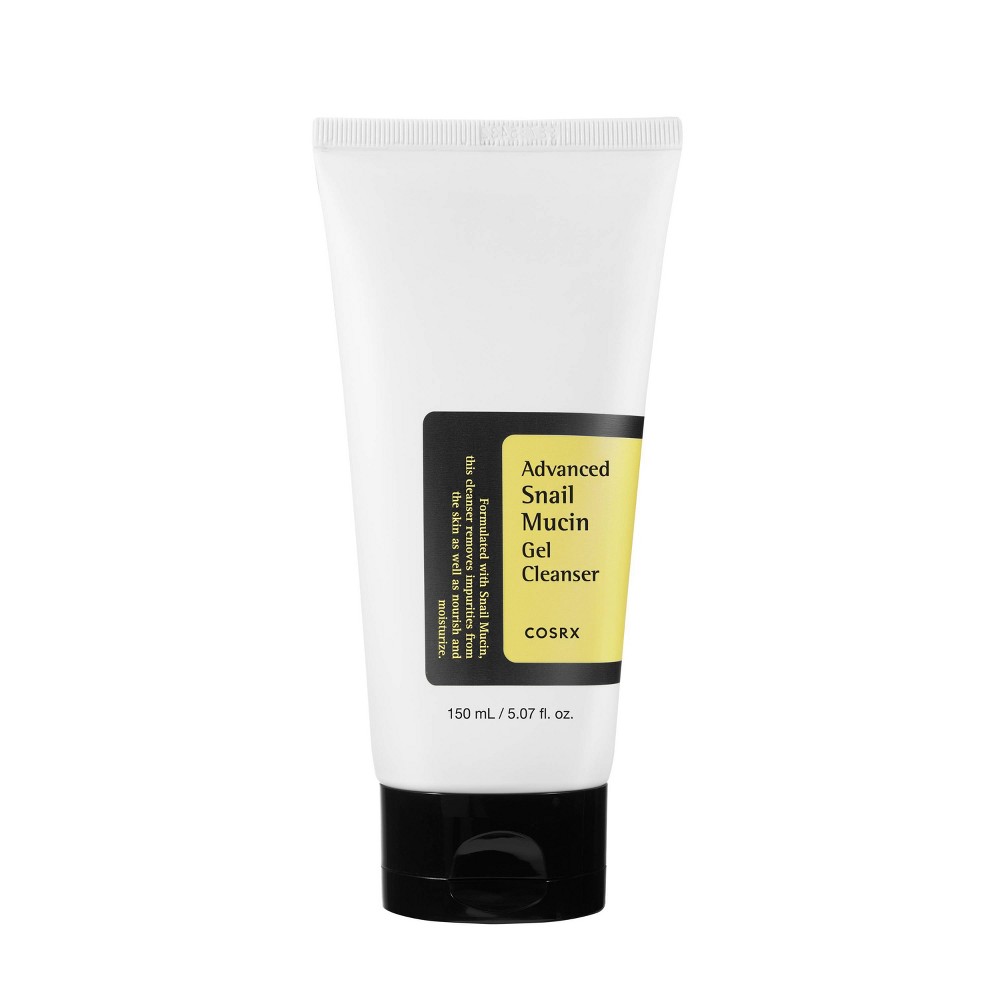

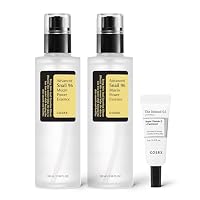
COSRX The Snail Mucin Gel Cleanser Alcohol Free Sensitive Anti Acne Nourishing
Analysis updated August 2026 · How Scout scores
At a glance
Summary
This face wash contains beneficial ingredients like glycerin and snail secretion filtrate, which are known for their hydrating and skin-repairing properties. However, the presence of fragrance, which can be an irritant and cause skin sensitivity, along with the use of acrylates copolymer and other synthetic compounds, affects its overall safety profile. The product is moderately processed, which also influences its rating.
Key ingredients 20
Snail Secretion FiltrateVery Good
Snail Secretion Filtrate is known for its skin-repairing and hydrating properties. It contains beneficial compounds like glycoproteins and hyaluronic acid. It is highly regarded in skincare for its ability to improve skin texture and hydration.
Risks
There is a minimal risk of allergic reactions in sensitive individuals.
Benefits
It helps in repairing skin damage and improving skin hydration and elasticity.
GlycerinGood
Glycerin is a well-known humectant that attracts moisture to the skin. It is widely used in skincare products for its hydrating properties. It is considered safe and beneficial for most skin types.
Risks
There are minimal risks associated with glycerin, though it may cause irritation in very sensitive skin.
Benefits
Glycerin helps in maintaining skin hydration and improving skin barrier function.
WaterNeutral
Water is a common solvent used in cosmetics to dissolve other ingredients. It helps in forming the base of the product. It does not have any direct benefits or risks.
Risks
There are no significant risks associated with water in cosmetics.
Benefits
Water helps in hydrating the skin by providing moisture.
Butylene GlycolNeutral
Butylene Glycol is a common humectant used in cosmetics to retain moisture. It also helps in improving the texture of the product. It is generally considered safe for use in cosmetics.
Risks
There is a low risk of skin irritation for sensitive individuals.
Benefits
It helps in keeping the skin hydrated by attracting moisture.
Disodium Laureth SulfosuccinateNeutral
Disodium Laureth Sulfosuccinate is a mild surfactant used in cleansing products. It helps in removing dirt and oil from the skin. It is considered less irritating compared to other sulfates.
Risks
There is a low risk of skin irritation, especially for sensitive skin.
Benefits
It effectively cleanses the skin without being overly harsh.
Sodium Cocoyl IsethionateNeutral
Sodium Cocoyl Isethionate is a mild surfactant derived from coconut oil. It is used in cleansers for its gentle cleansing properties. It is considered safe and effective for most skin types.
Risks
There is a minimal risk of irritation for very sensitive skin.
Benefits
It provides gentle cleansing without stripping the skin of natural oils.
1,2-HexanediolNeutral
1,2-Hexanediol is used as a solvent and preservative in cosmetics. It helps in stabilizing the product and extending its shelf life. It is generally considered safe for use in cosmetics.
Risks
There is a low risk of skin irritation for sensitive individuals.
Benefits
It helps in preserving the product and maintaining its efficacy.
Coco-GlucosideNeutral
Coco-Glucoside is a mild surfactant derived from coconut oil and glucose. It is used in cleansers for its gentle cleansing properties. It is considered safe and effective for most skin types.
Risks
There is a minimal risk of irritation for very sensitive skin.
Benefits
It provides gentle cleansing and is environmentally friendly.
Lauryl BetaineNeutral
Lauryl Betaine is a mild surfactant used in cleansing products. It helps in foaming and cleansing the skin. It is generally considered safe for use in cosmetics.
Risks
There is a low risk of skin irritation for sensitive individuals.
Benefits
It enhances the foaming and cleansing properties of the product.
ArginineNeutral
Arginine is an amino acid used in cosmetics for its conditioning properties. It helps in maintaining skin hydration and elasticity. It is generally considered safe for use in cosmetics.
Risks
There is a minimal risk of irritation for very sensitive skin.
Benefits
It helps in improving skin hydration and elasticity.
TromethamineNeutral
Tromethamine is used as a pH adjuster in cosmetics. It helps in maintaining the stability and efficacy of the product. It is generally considered safe for use in cosmetics.
Risks
There is a low risk of skin irritation for sensitive individuals.
Benefits
It helps in maintaining the product's stability and effectiveness.
Potassium Cocoyl GlycinateNeutral
Potassium Cocoyl Glycinate is a mild surfactant derived from coconut oil. It is used in cleansers for its gentle cleansing properties. It is considered safe and effective for most skin types.
Risks
There is a minimal risk of irritation for very sensitive skin.
Benefits
It provides gentle cleansing without stripping the skin of natural oils.
CarbomerNeutral
Carbomer is used as a thickening agent in cosmetics. It helps in stabilizing and thickening the product. It is generally considered safe for use in cosmetics.
Risks
There is a low risk of skin irritation for sensitive individuals.
Benefits
It helps in improving the texture and stability of the product.
Sodium ChlorideNeutral
Sodium Chloride is used as a thickening agent in cosmetics. It helps in adjusting the viscosity of the product. It is generally considered safe for use in cosmetics.
Risks
There is a minimal risk of irritation for very sensitive skin.
Benefits
It helps in improving the texture and consistency of the product.
EthylhexylglycerinNeutral
Ethylhexylglycerin is used as a preservative and skin conditioning agent in cosmetics. It helps in enhancing the efficacy of other preservatives. It is generally considered safe for use in cosmetics.
Risks
There is a low risk of skin irritation for sensitive individuals.
Benefits
It helps in preserving the product and maintaining skin hydration.
Sodium PolyacrylateNeutral
Sodium Polyacrylate is used as a thickening agent in cosmetics. It helps in improving the texture and stability of the product. It is generally considered safe for use in cosmetics.
Risks
There is a low risk of skin irritation for sensitive individuals.
Benefits
It helps in enhancing the texture and stability of the product.
Acrylates CopolymerBad
Processed additive flagged under Scout's ingredient doctrine.
Risks
There is a low risk of skin irritation for sensitive individuals.
Benefits
It helps in improving the texture and spreadability of the product.
Acrylates/C10-30 Alkyl Acrylate CrosspolymerBad
Processed additive flagged under Scout's ingredient doctrine.
Risks
There is a low risk of skin irritation for sensitive individuals.
Benefits
It helps in enhancing the texture and stability of the product.
Disodium EDTABad
Processed additive flagged under Scout's ingredient doctrine.
Risks
There is a low risk of skin irritation for sensitive individuals.
Benefits
It helps in maintaining the stability and efficacy of the product.
FragranceVery Bad
Fragrance is used to impart scent to cosmetics but can be a common irritant. It may cause allergic reactions or skin irritation in sensitive individuals. It is often criticized for its potential to cause skin sensitivity.
Risks
Fragrance can cause skin irritation and allergic reactions, especially in sensitive individuals.
Benefits
It provides a pleasant scent to the product, enhancing user experience.
Get the full breakdown in the Scout appTake Scout shopping
Scan any product to see lab results, healthy alternatives, and your personalized analysis.
Download on theApp Store GET IT ONGoogle PlayAmazon pricing & content
Amazon price as of . Product prices and availability are accurate as of the date/time indicated and are subject to change. Any price and availability information displayed on Amazon.com at the time of purchase will apply to the purchase of this product.
CERTAIN CONTENT THAT APPEARS ON THIS SITE COMES FROM AMAZON. THIS CONTENT IS PROVIDED “AS IS” AND IS SUBJECT TO CHANGE OR REMOVAL AT ANY TIME.