
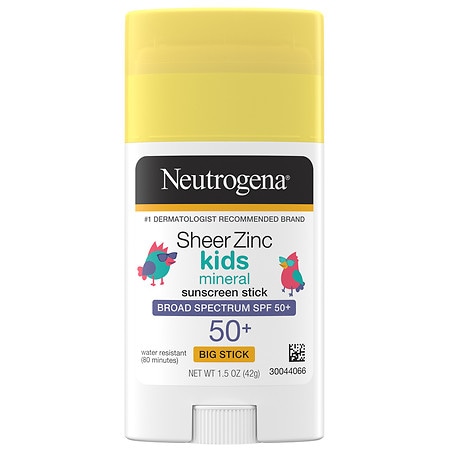
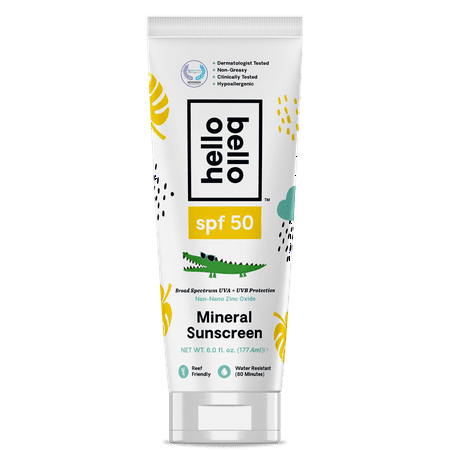
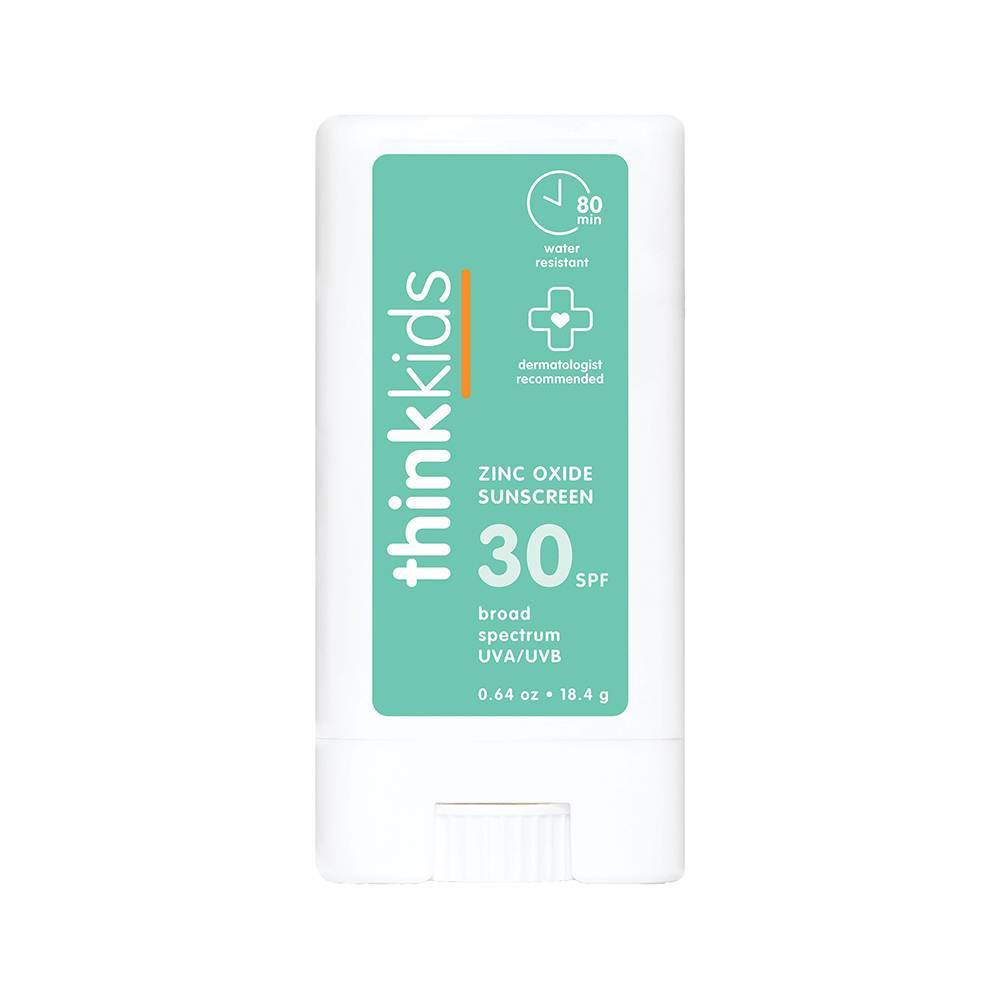
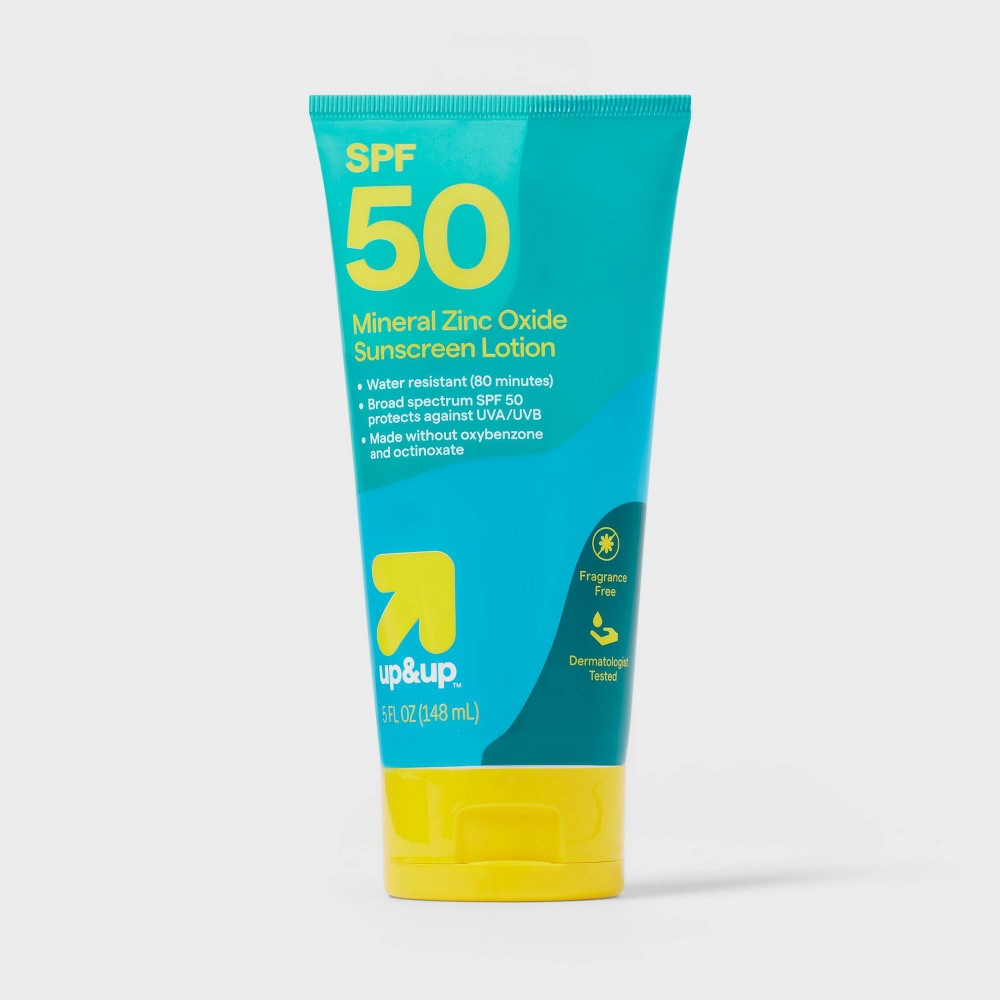
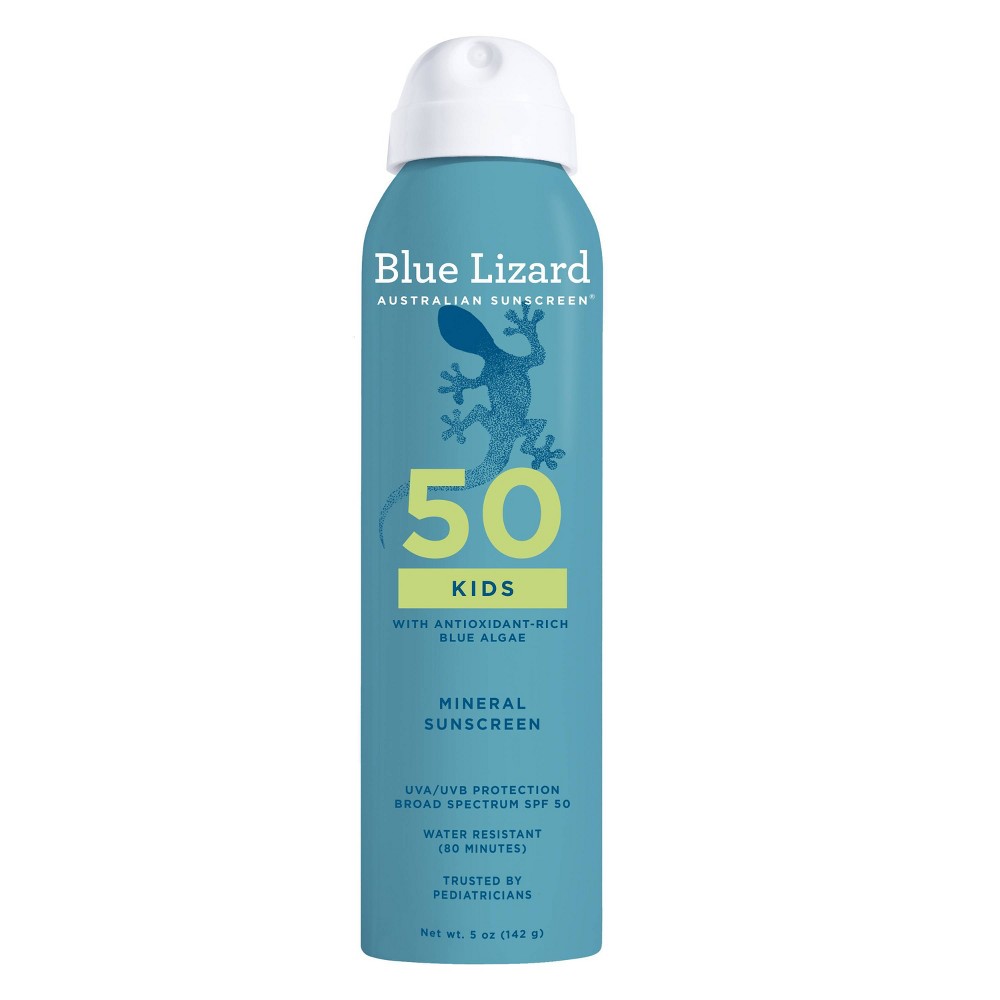


Neutrogena Sheer Zinc Kids Mineral Sunscreen Stick SPF 50+ 1.5 oz
Analysis updated September 2026 · How Scout scores
At a glance
Summary
This sunscreen stick primarily uses zinc oxide, a mineral UV filter that is safe and effective for sensitive skin, especially in children's products. The inclusion of natural ingredients like Avena Sativa (Oat) Kernel Oil adds soothing and moisturizing benefits. The product avoids chemical UV filters and other harsh additives, contributing to a clean and safe formulation.
Key ingredients 14
Avena Sativa (Oat) Kernel OilVery Good
Avena Sativa (Oat) Kernel Oil is a natural oil known for its soothing and moisturizing properties. It is rich in antioxidants and beneficial for sensitive skin.
Risks
There are minimal risks, though individuals with oat allergies should avoid it.
Benefits
It provides excellent skin nourishment and helps to calm irritated skin.
Zinc OxideGood
Zinc Oxide is a mineral sunscreen agent that provides broad-spectrum UV protection. It is considered safe and effective for sensitive skin, making it suitable for children's products.
Risks
There are minimal risks associated with Zinc Oxide, though it may leave a white cast on the skin.
Benefits
It offers excellent protection against both UVA and UVB rays without penetrating the skin.
Octyldodecyl NeopentanoateNeutral
Octyldodecyl Neopentanoate is an emollient that helps to improve the texture and spreadability of the product. It is generally considered safe for use in cosmetics.
Risks
There are no significant risks associated with this ingredient.
Benefits
It enhances the product's feel on the skin, making it smoother and more pleasant to apply.
C12-15 Alkyl BenzoateNeutral
C12-15 Alkyl Benzoate is used as an emollient and thickening agent in cosmetics. It is known for its ability to improve the texture and feel of formulations.
Risks
There are minimal risks, though it may cause irritation in very sensitive individuals.
Benefits
It provides a silky feel and helps to reduce the greasy texture of sunscreen formulations.
Synthetic WaxNeutral
Synthetic Wax is used to provide structure and stability to cosmetic products. It is generally considered safe for use in personal care items.
Risks
There are no significant risks associated with this ingredient.
Benefits
It helps to maintain the product's consistency and improves its application.
SilicaNeutral
Silica is used in cosmetics to improve texture and absorb excess oil. It is considered safe for use in topical products.
Risks
Inhalation of silica dust can be harmful, but this is not a concern in cream-based products.
Benefits
It provides a matte finish and helps to control shine on the skin.
Neopentyl Glycol DiethylhexanoateNeutral
Neopentyl Glycol Diethylhexanoate is an emollient that enhances the spreadability of cosmetic products. It is considered safe for use in personal care items.
Risks
There are no significant risks associated with this ingredient.
Benefits
It improves the texture and application of the product, making it more pleasant to use.
OzokeriteNeutral
Ozokerite is a mineral wax used to thicken and stabilize cosmetic formulations. It is generally considered safe for use in personal care products.
Risks
There are no significant risks associated with this ingredient.
Benefits
It helps to maintain the product's consistency and enhances its stability.
Isopropyl MyristateNeutral
Isopropyl Myristate is used as an emollient and thickening agent in cosmetics. It is known for its ability to improve the texture and absorption of formulations.
Risks
It may cause irritation in sensitive skin types.
Benefits
It enhances the product's spreadability and absorption into the skin.
Adipic Acid/Diglycol CrosspolymerNeutral
This ingredient is used as a thickening agent and film-former in cosmetics. It is considered safe for use in personal care products.
Risks
There are no significant risks associated with this ingredient.
Benefits
It helps to improve the texture and stability of the product.
TriethoxycaprylylsilaneNeutral
Triethoxycaprylylsilane is used as a surface modifier in cosmetics to improve the dispersion of pigments. It is considered safe for use in personal care products.
Risks
There are no significant risks associated with this ingredient.
Benefits
It enhances the uniformity and stability of the product.
Neopentyl Glycol DiisostearateNeutral
Neopentyl Glycol Diisostearate is an emollient that improves the texture and spreadability of cosmetic products. It is considered safe for use in personal care items.
Risks
There are no significant risks associated with this ingredient.
Benefits
It enhances the product's feel on the skin, making it smoother and more pleasant to apply.
Caprylyl GlycolNeutral
Caprylyl Glycol is used as a skin conditioning agent and preservative booster in cosmetics. It is generally considered safe for use in personal care products.
Risks
There are no significant risks associated with this ingredient.
Benefits
It helps to improve skin hydration and enhances the efficacy of preservatives.
ParaffinBad
Processed additive flagged under Scout's ingredient doctrine.
Risks
There is a potential for minor skin irritation in sensitive individuals.
Benefits
It acts as a barrier to prevent moisture loss from the skin.
Get the full breakdown in the Scout appTake Scout shopping
Scan any product to see lab results, healthy alternatives, and your personalized analysis.
Download on theApp Store GET IT ONGoogle PlayAmazon pricing & content
Amazon price as of . Product prices and availability are accurate as of the date/time indicated and are subject to change. Any price and availability information displayed on Amazon.com at the time of purchase will apply to the purchase of this product.
CERTAIN CONTENT THAT APPEARS ON THIS SITE COMES FROM AMAZON. THIS CONTENT IS PROVIDED “AS IS” AND IS SUBJECT TO CHANGE OR REMOVAL AT ANY TIME.