
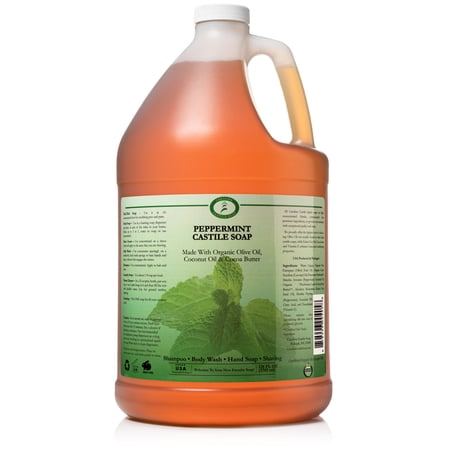
At a glance
Summary
This product is composed of natural and beneficial ingredients, including plant-derived oils and extracts, which contribute to its gentle and effective cleansing properties. The use of biodegradable surfactants and organic essential oils enhances its environmental friendliness and safety profile. The minimal processing level and absence of synthetic chemicals or harmful additives further support its high rating.
Key ingredients 17
Oleic AcidGood
Oleic acid is a fatty acid that is commonly found in plant oils. It is used for its emollient properties, helping to soften and smooth the skin. It also aids in the emulsification process in formulations.
Risks
In rare cases, oleic acid can cause skin irritation or allergic reactions.
Benefits
Oleic acid helps improve skin texture and provides a moisturizing effect.
Linoleic AcidGood
Linoleic acid is an essential fatty acid that plays a crucial role in maintaining the skin's barrier function. It is often used in skincare products for its anti-inflammatory and moisturizing properties. It is beneficial for maintaining healthy skin.
Risks
Linoleic acid is generally safe, but excessive use can lead to skin irritation in sensitive individuals.
Benefits
It helps reduce inflammation and supports skin health by maintaining the skin's natural barrier.
Decyl GlucosideGood
Decyl glucoside is a mild, non-ionic surfactant derived from glucose and coconut oil. It is used for its gentle cleansing properties and is suitable for sensitive skin. It is biodegradable and environmentally friendly.
Risks
There are minimal risks associated with decyl glucoside, though it can cause irritation in very sensitive individuals.
Benefits
It provides gentle cleansing without stripping the skin of natural oils.
Lauryl GlucosideGood
Lauryl glucoside is a mild surfactant derived from natural sources like coconut oil and glucose. It is used for its gentle cleansing properties and is suitable for sensitive skin. It is biodegradable and considered environmentally friendly.
Risks
Lauryl glucoside can cause irritation in sensitive individuals if used in high concentrations.
Benefits
It provides effective cleansing while being gentle on the skin.
Organic Citrus Aurantium Dulcis (Orange) Peel OilGood
Organic orange peel oil is a natural essential oil extracted from the peel of oranges. It is used for its pleasant fragrance and potential antimicrobial properties. It is considered safe and beneficial in natural formulations.
Risks
Orange peel oil can cause photosensitivity and skin irritation in some individuals.
Benefits
It provides a natural fragrance and may offer antimicrobial benefits.
Helianthus Annuus (Sunflower) Seed OilGood
Sunflower seed oil is a natural oil rich in essential fatty acids and vitamin E. It is used for its moisturizing and skin-conditioning properties. It is non-comedogenic and suitable for all skin types.
Risks
Sunflower seed oil is generally safe, but it can cause allergic reactions in individuals with seed allergies.
Benefits
It provides moisturizing benefits and helps maintain skin health.
Rosmarinus Officinalis (Rosemary) Leaf ExtractGood
Rosemary leaf extract is a natural antioxidant used in skincare and cleaning products. It helps preserve the product and provides antimicrobial benefits. It is derived from the leaves of the rosemary plant.
Risks
Rosemary extract can cause skin irritation in sensitive individuals.
Benefits
It offers antioxidant and antimicrobial benefits, helping to preserve the product.
WaterNeutral
Water is a universal solvent and is used as a base in many formulations. It helps dissolve other ingredients and facilitates their application. It is generally considered safe and non-reactive.
Risks
There are no significant risks associated with water in this context.
Benefits
Water helps in the even distribution of other ingredients and is essential for the product's consistency.
GlycerinNeutral
Standard formulation ingredient — neither beneficial nor harmful at typical use.
Risks
There are minimal risks associated with glycerin, though it can cause irritation in very sensitive individuals.
Benefits
Glycerin helps maintain moisture balance, preventing dryness and irritation.
Capric AcidNeutral
Capric acid is a medium-chain fatty acid found in coconut oil and palm kernel oil. It is used for its antimicrobial properties and as an emollient. It helps stabilize formulations and improve texture.
Risks
Capric acid can cause irritation if used in high concentrations.
Benefits
It provides antimicrobial benefits and helps improve the texture of formulations.
Lauric AcidNeutral
Lauric acid is a saturated fatty acid with antimicrobial properties. It is commonly used in soaps and detergents for its ability to create a rich lather. It is derived from coconut oil and palm kernel oil.
Risks
Lauric acid can cause skin irritation in some individuals, especially in high concentrations.
Benefits
It offers antimicrobial benefits and contributes to the cleansing properties of formulations.
Myristic AcidNeutral
Myristic acid is a fatty acid used in cosmetics and personal care products as a surfactant and cleansing agent. It helps in the formation of emulsions and improves the texture of products. It is derived from nutmeg, palm oil, and coconut oil.
Risks
Myristic acid can cause skin irritation in sensitive individuals.
Benefits
It enhances the texture and cleansing properties of formulations.
Palmitic AcidNeutral
Palmitic acid is a common saturated fatty acid found in both animals and plants. It is used in skincare products for its emollient properties and ability to improve texture. It helps stabilize formulations and provides a smooth feel.
Risks
Palmitic acid can cause irritation in sensitive skin types.
Benefits
It provides emollient benefits and helps improve the texture of formulations.
Stearic AcidNeutral
Stearic acid is a saturated fatty acid used as an emulsifying agent in cosmetics. It helps thicken and stabilize formulations, providing a smooth texture. It is derived from animal and plant fats.
Risks
Stearic acid can cause skin irritation in some individuals.
Benefits
It helps stabilize formulations and provides a smooth, creamy texture.
Potassium HydroxideNeutral
Potassium hydroxide is an inorganic compound used to adjust pH levels in formulations. It is a strong base that helps saponify fats and oils in soap-making. It is used in small amounts to ensure product stability.
Risks
Potassium hydroxide can be corrosive and cause irritation if not properly neutralized.
Benefits
It helps maintain the desired pH level and stability of formulations.
D-LimoneneNeutral
D-Limonene is a natural compound found in citrus fruit peels. It is used for its pleasant citrus scent and degreasing properties. It is commonly used in cleaning products for its ability to dissolve oils.
Risks
D-Limonene can cause skin irritation and allergic reactions in some individuals.
Benefits
It provides a natural citrus fragrance and effective degreasing properties.
Potassium SorbateBad
Synthetic preservative — flagged in daily-use products.
Risks
Potassium sorbate can cause skin irritation in sensitive individuals.
Benefits
It effectively prevents microbial growth, extending the product's shelf life.
Get the full breakdown in the Scout appTake Scout shopping
Scan any product to see lab results, healthy alternatives, and your personalized analysis.
Download on theApp Store GET IT ONGoogle Play