
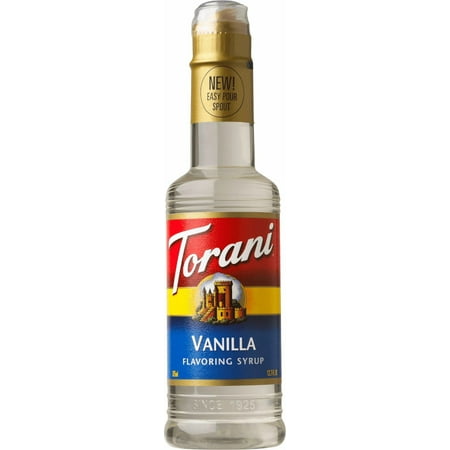



TORANI, FLAVORING SYRUP, VANILLA
Summary
This flavoring syrup is highly processed, containing a significant amount of added sugars, which can contribute to health issues like obesity and diabetes. The presence of synthetic preservatives such as sodium benzoate and potassium sorbate further impacts its healthiness, as these additives are often viewed negatively due to potential health risks. While it includes natural vanilla extract, the overall ingredient quality is compromised by the high sugar content and use of artificial preservatives.
At a glance
Key ingredients 6
Pure Cane SugarBad
Pure cane sugar is primarily used as a sweetener, contributing to the high sugar content of the product. It is processed to remove impurities, but excessive consumption can lead to health issues such as obesity and diabetes. Compared to artificial sweeteners, it is a natural source but still poses significant health risks when consumed in large quantities.
Risks
High sugar intake is associated with increased risk of obesity, type 2 diabetes, and dental cavities.
Benefits
Provides quick energy due to its high carbohydrate content, but lacks essential nutrients.
WaterNeutral
Water is used as a solvent in the syrup, ensuring the ingredients are well mixed and the syrup has the desired consistency. It is typically purified to remove contaminants, ensuring safety for consumption. In this product, it serves a functional role without contributing to nutritional value.
See more about Water →Vanilla Extract With Other Natural FlavorsGood
Vanilla extract is used for its flavoring properties, derived from vanilla beans through an extraction process. It adds a rich, aromatic flavor to the syrup, enhancing its appeal. The use of natural flavors suggests minimal artificial additives, which is a positive aspect compared to synthetic alternatives.
Benefits
Provides a natural source of flavor, enhancing the sensory experience of the product.
Sodium BenzoateVery Bad
Sodium benzoate is a preservative used to extend shelf life by inhibiting microbial growth. It is synthetically produced and can form benzene, a carcinogen, under certain conditions. Its use is controversial due to potential health risks, especially when consumed in large quantities or combined with vitamin C.
Risks
May form benzene, a known carcinogen, when combined with vitamin C and exposed to heat or light.
Potassium SorbateBad
Potassium sorbate is a preservative that prevents mold and yeast growth, extending the product's shelf life. It is synthetically produced and generally recognized as safe, but some individuals may experience allergic reactions. Its presence in processed foods is often viewed negatively due to the preference for natural preservation methods.
Risks
May cause allergic reactions in sensitive individuals.
Citric AcidNeutral
Citric acid is used as a flavoring agent and preservative, providing a tart taste and enhancing the product's stability. It is typically derived from citrus fruits or produced via fermentation. While generally safe, excessive consumption can lead to dental erosion.
Risks
Excessive consumption may lead to dental erosion due to its acidic nature.
Benefits
Enhances flavor and acts as a natural preservative, improving product stability.
Processing
Processed Foods
Get the full breakdown in the Scout app
Scan any product to see lab results, healthy alternatives, and your personalized analysis.
Download on theApp Store