
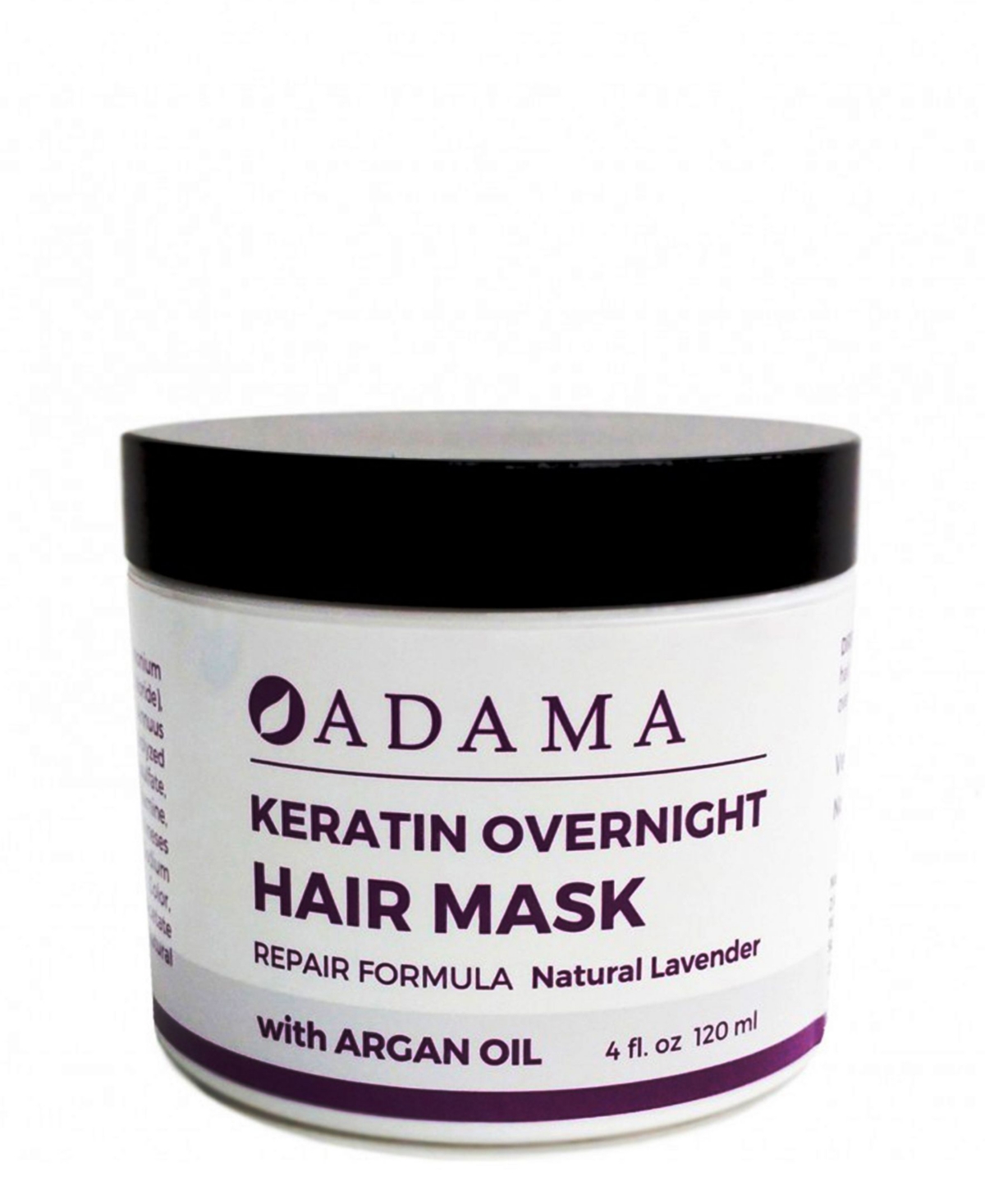


Adama Keratin Hair Mask with Argan Oil - Natural Lavender
At a glance
Summary
This hair mask features a blend of natural oils and beneficial ingredients such as jojoba oil, argan oil, and shea butter, which are known for their moisturizing and nourishing properties. The inclusion of hydrolyzed keratin and soy protein helps strengthen and repair hair, while the use of essential oils like lavender and ylang-ylang adds a pleasant fragrance without synthetic additives. The product is minimally processed and free from harmful chemicals, making it a safe and effective choice for hair care.
Key ingredients 25
Helianthus Annuus (Sunflower) Seed OilVery Good
Sunflower Seed Oil is a natural oil rich in fatty acids and vitamin E. It provides excellent moisturizing properties and helps to nourish the skin and hair. It is well-tolerated and beneficial for most skin types.
Risks
There are minimal risks associated with its use, though it may cause allergic reactions in rare cases.
Benefits
It deeply moisturizes and conditions the hair, promoting softness and shine.
Simmondsia Chinensis (Jojoba) Seed OilVery Good
Jojoba Oil is a natural oil that closely resembles the skin's natural sebum. It is highly moisturizing and helps to balance oil production. It is non-comedogenic and suitable for all skin types.
Risks
There are no significant risks associated with jojoba oil.
Benefits
It provides deep hydration and helps to repair damaged hair, enhancing its overall health.
PanthenolVery Good
Panthenol, also known as provitamin B5, is a humectant that attracts moisture to the hair and skin. It helps to improve hydration and elasticity. It is well-tolerated and beneficial for most skin and hair types.
Risks
There are no significant risks associated with panthenol.
Benefits
It enhances moisture retention, leading to softer, more manageable hair.
Butyrospermum Parkii (Shea) ButterVery Good
Shea Butter is a natural fat extracted from the nuts of the shea tree. It is highly moisturizing and helps to nourish and protect the skin and hair. It is well-tolerated and beneficial for most skin types.
Risks
There are minimal risks associated with shea butter, though it may cause allergic reactions in rare cases.
Benefits
It provides deep hydration and helps to repair and protect the hair, enhancing its overall health.
Argania Spinosa (Argan) Kernel OilVery Good
Argan Oil is a natural oil rich in fatty acids and antioxidants. It provides excellent moisturizing and nourishing properties for the skin and hair. It is well-tolerated and beneficial for most skin types.
Risks
There are minimal risks associated with argan oil, though it may cause allergic reactions in rare cases.
Benefits
It deeply moisturizes and conditions the hair, promoting softness and shine.
Hydrolyzed Soy ProteinGood
Hydrolyzed Soy Protein is a protein derivative that helps to strengthen and repair hair. It improves hair texture and adds shine. It is generally considered safe for use in cosmetics.
Risks
May cause allergic reactions in individuals sensitive to soy.
Benefits
It enhances hair strength and elasticity, reducing breakage and improving manageability.
Hydrolyzed KeratinGood
Hydrolyzed Keratin is a protein that helps to strengthen and repair damaged hair. It penetrates the hair shaft to improve elasticity and reduce breakage. It is widely used in hair care products for its restorative properties.
Risks
There are minimal risks, though overuse may lead to protein buildup in hair.
Benefits
It significantly improves hair strength and resilience, enhancing overall hair health.
Lavandula Angustifolia (Lavender) OilGood
Lavender Oil is a natural essential oil known for its calming and soothing properties. It is used in cosmetics for its fragrance and potential skin benefits. It is generally considered safe when used in appropriate concentrations.
Risks
May cause irritation or allergic reactions in sensitive individuals.
Benefits
It provides a pleasant fragrance and may help to soothe the scalp, promoting relaxation.
Cananga Odorata OilGood
Cananga Odorata Oil, also known as Ylang Ylang Oil, is an essential oil with a sweet floral scent. It is used in cosmetics for its fragrance and potential skin benefits. It is generally considered safe when used in appropriate concentrations.
Risks
May cause irritation or allergic reactions in sensitive individuals.
Benefits
It provides a pleasant fragrance and may help to balance oil production on the scalp.
Citrus Medica Limonum (Lemon) Peel OilGood
Lemon Peel Oil is an essential oil known for its refreshing scent and potential astringent properties. It is used in cosmetics for its fragrance and skin benefits. It is generally considered safe when used in appropriate concentrations.
Risks
May cause photosensitivity or irritation in sensitive individuals.
Benefits
It provides a refreshing fragrance and may help to clarify and tone the scalp.
Citrus Aurantifolia (Lime) OilGood
Lime Oil is an essential oil with a fresh, citrus scent. It is used in cosmetics for its fragrance and potential skin benefits. It is generally considered safe when used in appropriate concentrations.
Risks
May cause photosensitivity or irritation in sensitive individuals.
Benefits
It provides a refreshing fragrance and may help to invigorate the scalp.
AllantoinGood
Allantoin is a compound known for its soothing and skin-protective properties. It helps to calm irritation and promote skin healing. It is widely used in cosmetics for its beneficial effects on the skin.
Risks
There are no significant risks associated with allantoin.
Benefits
It soothes and protects the scalp, promoting a healthy environment for hair growth.
BiotinGood
Biotin, also known as vitamin B7, is a water-soluble vitamin that supports hair health. It is often included in hair care products for its potential to strengthen and improve hair quality. It is considered safe for use in cosmetics.
Risks
There are no significant risks associated with biotin.
Benefits
It supports hair strength and growth, enhancing overall hair health.
Tocopheryl Acetate (Vitamin E)Good
Tocopheryl Acetate is a form of vitamin E that acts as an antioxidant. It helps to protect the skin and hair from oxidative damage. It is widely used in cosmetics for its beneficial effects on skin and hair health.
Risks
There are no significant risks associated with tocopheryl acetate.
Benefits
It provides antioxidant protection, enhancing the health and appearance of hair.
Ionic Clay Minerals (Montmorillonite)Good
Montmorillonite is a type of clay mineral known for its detoxifying and purifying properties. It helps to absorb excess oil and impurities from the skin and hair. It is considered safe for use in cosmetics.
Risks
There are no significant risks associated with montmorillonite.
Benefits
It helps to purify and detoxify the scalp, promoting a healthy environment for hair growth.
Aqua (purified water)Neutral
Aqua is commonly used as a solvent in cosmetic formulations. It helps to dissolve other ingredients and provides a base for the product. It is generally considered safe and non-reactive.
Risks
There are no significant risks associated with purified water in cosmetics.
Benefits
It acts as a carrier for other ingredients, ensuring even distribution and application.
Cetyl AlcoholNeutral
Cetyl Alcohol is a fatty alcohol used as an emollient and thickener in cosmetics. It helps to soften and smooth the skin and hair. It is generally considered safe and non-irritating.
Risks
Rarely, it may cause mild irritation in sensitive individuals.
Benefits
It provides moisturizing properties and improves the texture of the product.
Stearyl AlcoholNeutral
Stearyl Alcohol is a fatty alcohol that acts as an emollient and thickener. It helps to stabilize formulations and improve texture. It is considered safe for use in cosmetics.
Risks
May cause minor irritation in very sensitive skin types.
Benefits
It enhances the moisturizing properties of the product and provides a creamy texture.
Stearamidopropyl DimethylamineNeutral
Stearamidopropyl Dimethylamine is a conditioning agent that helps to detangle hair and reduce static. It is commonly used in hair care products for its smoothing properties. It is considered safe for use in cosmetics.
Risks
May cause mild irritation in sensitive individuals.
Benefits
It improves hair manageability and reduces frizz, enhancing the smoothness of hair.
EthylhexylglycerinNeutral
Ethylhexylglycerin is a conditioning agent and preservative enhancer used in cosmetics. It helps to improve the efficacy of preservatives and provides skin-conditioning benefits. It is considered safe for use in cosmetics.
Risks
May cause mild irritation in sensitive individuals.
Benefits
It enhances the preservation of the product and provides additional skin-conditioning benefits.
Citric AcidNeutral
Citric Acid is used to adjust the pH of cosmetic formulations. It is derived from citrus fruits and is generally considered safe for use in cosmetics. It helps to maintain the stability and effectiveness of the product.
Risks
May cause mild irritation in sensitive individuals.
Benefits
It helps to balance the pH of the product, ensuring its stability and effectiveness.
Cetrimonium ChlorideBad
Processed additive flagged under Scout's ingredient doctrine.
Risks
In high concentrations, it may cause irritation to the skin and eyes.
Benefits
It helps to detangle hair and reduce frizz, improving overall hair appearance.
Soy LecithinBad
Refined emulsifier lecithin (doctrine: 'bad', distinct from seed oils).
Risks
May cause allergic reactions in individuals sensitive to soy.
Benefits
It enhances the stability and texture of the product, ensuring even application.
Potassium SorbateBad
Synthetic preservative — flagged in daily-use products.
Risks
May cause mild irritation in sensitive individuals.
Benefits
It effectively preserves the product, ensuring its safety and longevity.
Sodium BenzoateBad
Synthetic preservative that can form benzene in the presence of vitamin C.
Risks
May cause mild irritation in sensitive individuals.
Benefits
It effectively preserves the product, ensuring its safety and longevity.
Get the full breakdown in the Scout appTake Scout shopping
Scan any product to see lab results, healthy alternatives, and your personalized analysis.
Download on theApp Store GET IT ONGoogle PlayAmazon pricing & content
Amazon price as of . Product prices and availability are accurate as of the date/time indicated and are subject to change. Any price and availability information displayed on Amazon.com at the time of purchase will apply to the purchase of this product.
CERTAIN CONTENT THAT APPEARS ON THIS SITE COMES FROM AMAZON. THIS CONTENT IS PROVIDED “AS IS” AND IS SUBJECT TO CHANGE OR REMOVAL AT ANY TIME.