

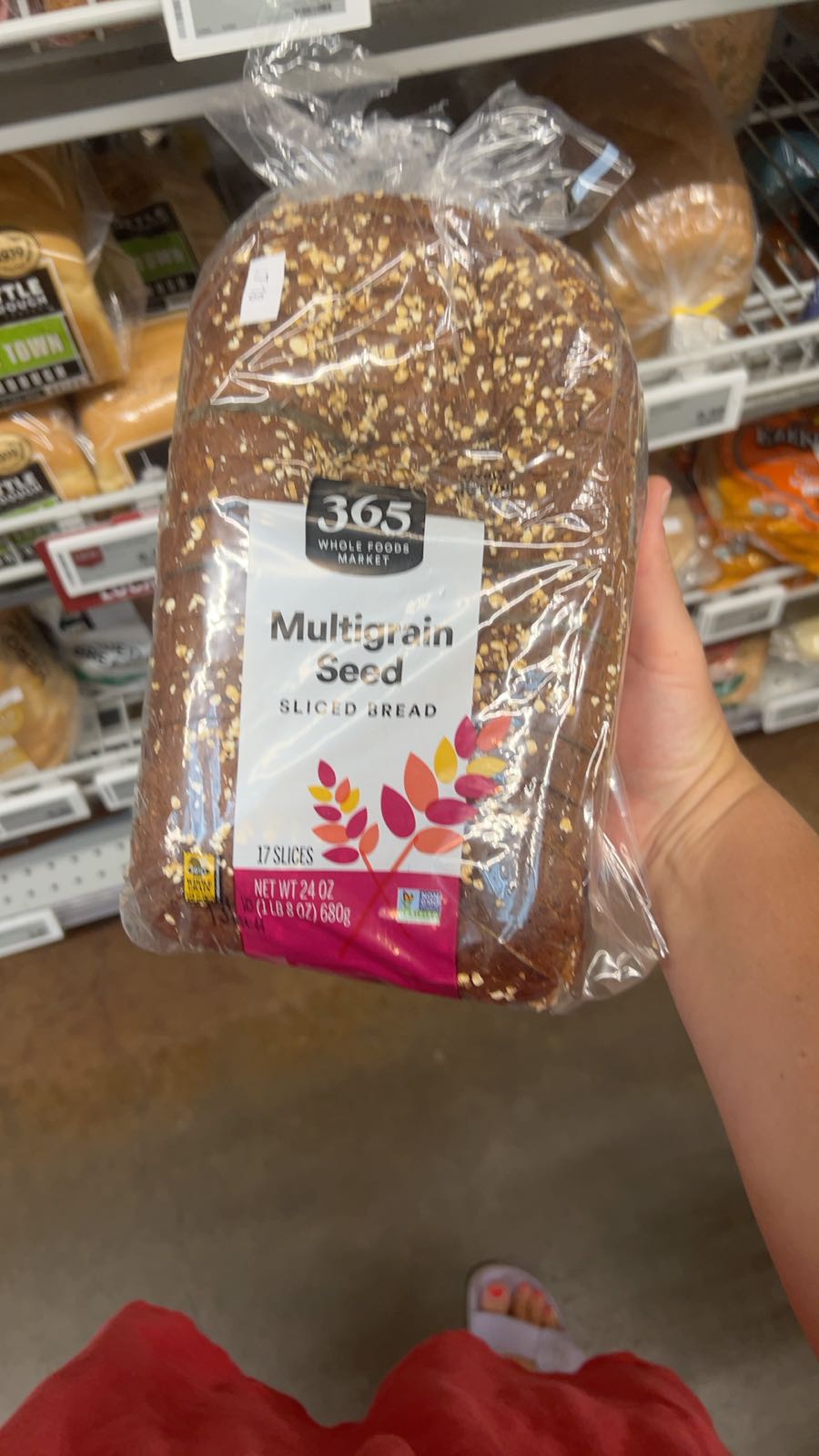

365 EVERYDAY VALUE, MIGHTY MULTIGRAIN
Summary
This product contains a mix of beneficial organic ingredients such as whole wheat flour and rolled oats, which provide fiber and nutrients. However, it is classified as ultra-processed due to the presence of industrial seed oils, which are high in omega-6 fatty acids and can promote inflammation. The processing level and the inclusion of these oils significantly impact the overall healthiness of the product.
At a glance
Key ingredients 17
Organic Wheat FlourGood
Organic wheat flour is a staple ingredient providing carbohydrates and some protein. Being organic, it is free from synthetic pesticides and fertilizers. It serves as a base for many baked goods, offering energy and nutrients.
Risks
May cause allergic reactions in individuals with wheat allergies or gluten intolerance.
Benefits
Provides essential carbohydrates for energy and contains some protein and fiber.
WaterNeutral
Water is a neutral ingredient used to hydrate and bind ingredients. It is essential for the dough formation in bread products. It does not contribute any calories or nutrients.
See more about Water →Organic Whole Wheat FlourVery Good
Organic whole wheat flour is a nutrient-dense ingredient rich in fiber and essential nutrients. Being organic, it avoids synthetic chemicals and retains more nutrients than refined flour. It supports digestive health and provides sustained energy.
Risks
May cause allergic reactions in individuals with wheat allergies or gluten intolerance.
Benefits
Rich in dietary fiber, vitamins, and minerals, supporting overall health and digestion.
Organic Evaporated Cane JuiceNeutral
Organic evaporated cane juice is a less refined sugar alternative. It retains some molasses content, providing trace minerals. It is used as a sweetener in various food products.
Risks
Excessive consumption can contribute to increased blood sugar levels and dental issues.
Benefits
Provides a natural source of sweetness with trace minerals compared to refined sugar.
Organic Rolled OatsVery Good
Organic rolled oats are a whole grain rich in fiber and nutrients. They are minimally processed and retain their natural nutritional profile. Oats support heart health and provide sustained energy.
Risks
May cause allergic reactions in individuals with oat allergies.
Benefits
High in soluble fiber, which can help lower cholesterol and improve heart health.
Organic Expeller Pressed High Oleic Sunflower And/Or Safflower Seed OilVery Bad
These seed oils are high in omega-6 fatty acids, which can promote inflammation if consumed in excess. The expeller-pressed method is a better extraction technique, but the high omega-6 content remains a concern. They are used for their neutral flavor and stability in cooking.
Risks
High omega-6 content may promote inflammation when consumed in excess.
Benefits
Provides a source of monounsaturated fats, which are generally healthier than saturated fats.
Organic VinegarGood
Organic vinegar is used as a natural preservative and flavor enhancer. It is produced through the fermentation of organic materials, ensuring no synthetic chemicals are involved. Vinegar can aid in digestion and has antimicrobial properties.
Benefits
May aid in digestion and provide antimicrobial benefits.
Organic Vital Wheat GlutenNeutral
Organic vital wheat gluten is used to improve the texture and elasticity of bread. It is a concentrated form of gluten protein, enhancing the structure of baked goods. It is particularly beneficial in bread making for its ability to trap air and provide a chewy texture.
Risks
Can cause adverse reactions in individuals with gluten intolerance or celiac disease.
Benefits
Improves the texture and elasticity of bread, contributing to a better crumb structure.
Sea SaltGood
Unrefined sea salt — a minimally processed, natural source of sodium and essential trace minerals, and a legitimate whole-food seasoning. Treated as a positive ingredient.
Risks
Excessive consumption can lead to high blood pressure and other cardiovascular issues.
Benefits
Provides essential sodium and trace minerals.
Organic Oat FiberGood
Organic oat fiber is a source of dietary fiber that aids in digestion. It is derived from the outer husk of oats and is minimally processed. It helps improve bowel regularity and supports digestive health.
Benefits
Supports digestive health by providing dietary fiber.
Organic CornmealGood
Organic cornmeal is a whole grain product that provides carbohydrates and some fiber. Being organic, it is free from synthetic pesticides and fertilizers. It adds texture and flavor to baked goods.
Risks
May cause allergic reactions in individuals with corn allergies.
Benefits
Provides carbohydrates and fiber, contributing to energy and digestive health.
Organic Oat FlourGood
Organic oat flour is a whole grain flour rich in fiber and nutrients. It is minimally processed and retains its natural nutritional profile. Oat flour supports heart health and provides sustained energy.
Risks
May cause allergic reactions in individuals with oat allergies.
Benefits
High in soluble fiber, which can help lower cholesterol and improve heart health.
YeastNeutral
Yeast is a leavening agent used to make bread rise. It is a natural ingredient that ferments sugars to produce carbon dioxide. It is essential for the texture and flavor of bread.
Benefits
Contributes to the leavening and flavor of bread.
Organic Wheat BranGood
Organic wheat bran is a rich source of dietary fiber and nutrients. It is the outer layer of the wheat kernel and is minimally processed. Wheat bran supports digestive health and provides essential nutrients.
Risks
May cause allergic reactions in individuals with wheat allergies or gluten intolerance.
Benefits
Rich in dietary fiber, supporting digestive health and regularity.
Organic Cultured Wheat StarchNeutral
Organic cultured wheat starch is used as a natural preservative and texture enhancer. It is derived from wheat and cultured to improve shelf life. It is a clean-label alternative to synthetic preservatives.
Risks
May cause allergic reactions in individuals with wheat allergies or gluten intolerance.
Benefits
Acts as a natural preservative, extending the shelf life of products.
Ascorbic AcidGood
Ascorbic acid, also known as vitamin C, is used as a dough conditioner and antioxidant. It helps improve the texture and volume of bread. It also provides nutritional benefits as an essential vitamin.
Benefits
Acts as an antioxidant and improves the quality of bread dough.
Microbial EnzymesNeutral
Microbial enzymes are used to improve the texture and shelf life of bread. They are derived from microorganisms and are used in small amounts. They help break down starches and proteins in the dough.
Benefits
Enhances the texture and shelf life of bread products.
Processing
Ultra-Processed Foods
Get the full breakdown in the Scout app
Scan any product to see lab results, healthy alternatives, and your personalized analysis.
Download on theApp Store