




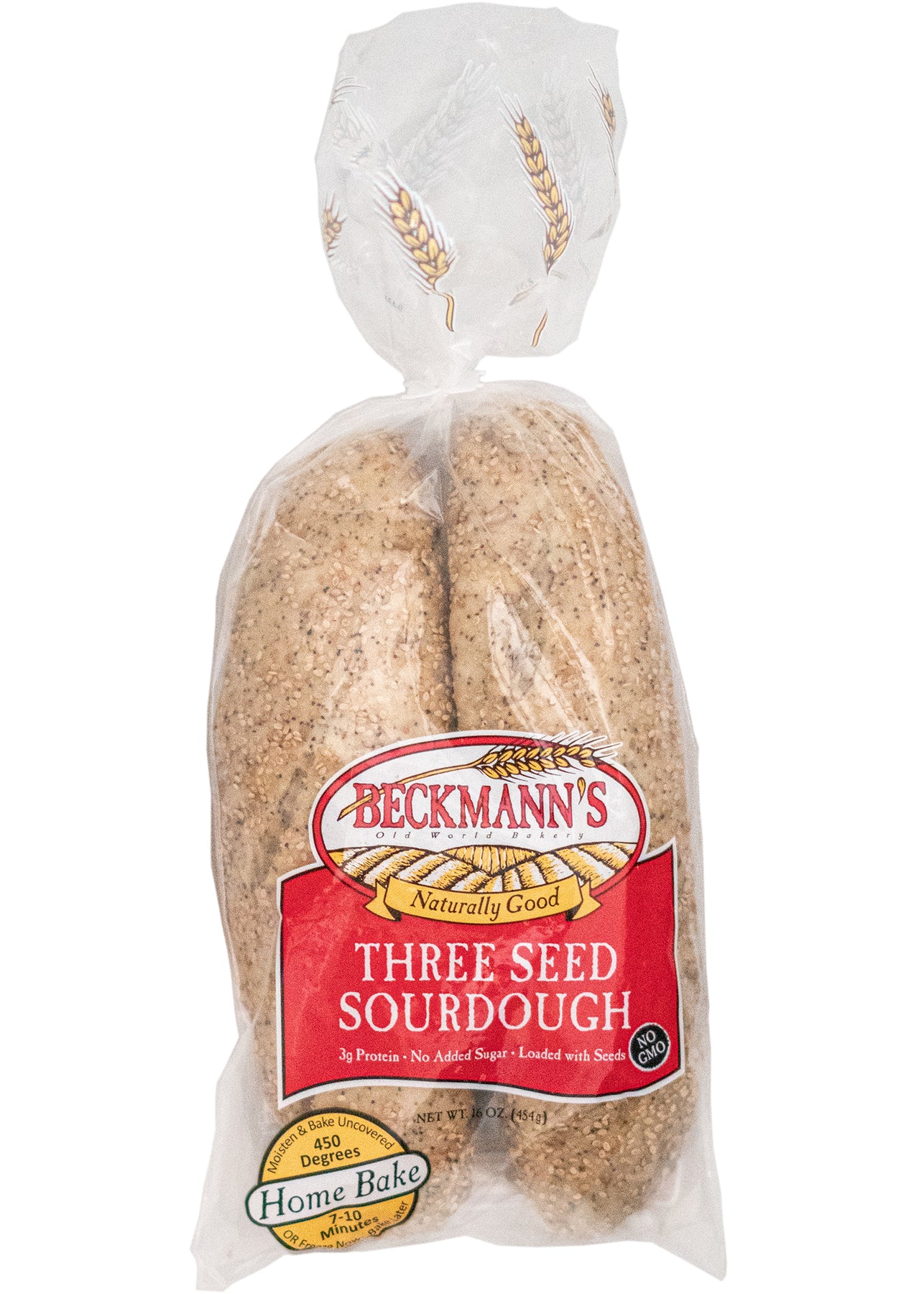
BIO Basmati Reis Vollkorn
Summary
This product contains a mix of whole grain and refined flours, with added ingredients such as yeast and sodium acetate, which contribute to its processed nature. While it lacks harmful additives like artificial colors or high-fructose corn syrup, the presence of alcohol and the use of multiple types of flour indicate a moderate level of processing. The overall ingredient quality is decent, but the processing level and inclusion of refined components limit its healthfulness.
At a glance
Key ingredients 9
Wheat flourNeutral
Wheat flour is a common ingredient in bread products, providing structure and texture. It is a refined carbohydrate, which can lead to rapid spikes in blood sugar levels. Whole grain alternatives offer more fiber and nutrients.
Risks
May contribute to blood sugar spikes and is a common allergen.
Benefits
Provides energy and is a staple in many diets, though whole grain options are more nutritious.
WaterNeutral
Water is essential for hydration and is used in bread making to form dough. It has no caloric value and is crucial for the baking process. It does not contribute any nutritional value beyond hydration.
Benefits
Essential for hydration and necessary for dough formation.
Potato flakesNeutral
Potato flakes are used to enhance texture and moisture in bread. They are made from dehydrated potatoes and provide carbohydrates. They do not offer significant nutritional benefits compared to whole potatoes.
Benefits
Can improve the texture and moisture content of bread.
Rye flourNeutral
Rye flour is used in bread for its distinct flavor and dense texture. It contains more fiber than wheat flour, which can aid digestion. However, it is also a common allergen and may not be suitable for gluten-sensitive individuals.
Risks
May cause allergic reactions in individuals sensitive to gluten.
Benefits
Higher in fiber compared to wheat flour, which can support digestive health.
SaltNeutral
Salt is used in bread to enhance flavor and control yeast activity. It is essential in small amounts but excessive consumption can lead to health issues like hypertension. It is a necessary component for proper dough development.
Risks
Excessive intake can lead to high blood pressure and cardiovascular issues.
Benefits
Enhances flavor and helps regulate yeast activity in bread.
YeastNeutral
Yeast is a microorganism used in bread making to ferment sugars and produce carbon dioxide, which leavens the dough. It is a natural ingredient that contributes to the bread's texture and flavor. It does not provide significant nutritional benefits.
Benefits
Essential for leavening bread and contributes to its flavor and texture.
Sodium acetateNeutral
Sodium acetate is used as a pH regulator in food products. It is generally recognized as safe when used in small amounts. It does not provide any nutritional benefits.
Benefits
Helps maintain the desired acidity level in food products.
Wheat malt flourNeutral
Wheat malt flour is used to enhance flavor and color in bread. It is made from sprouted wheat grains and contains enzymes that can improve dough properties. It does not significantly alter the nutritional profile of the bread.
Benefits
Enhances flavor and color of bread, and can improve dough properties.
AlcoholNeutral
Alcohol is sometimes used in bread making as a preservative or to enhance flavor. It evaporates during baking, leaving no significant residue. It does not contribute to the nutritional value of the bread.
Benefits
Acts as a preservative and can enhance flavor in baked goods.
Processing
Processed Foods
Get the full breakdown in the Scout app
Scan any product to see lab results, healthy alternatives, and your personalized analysis.
Download on theApp Store