


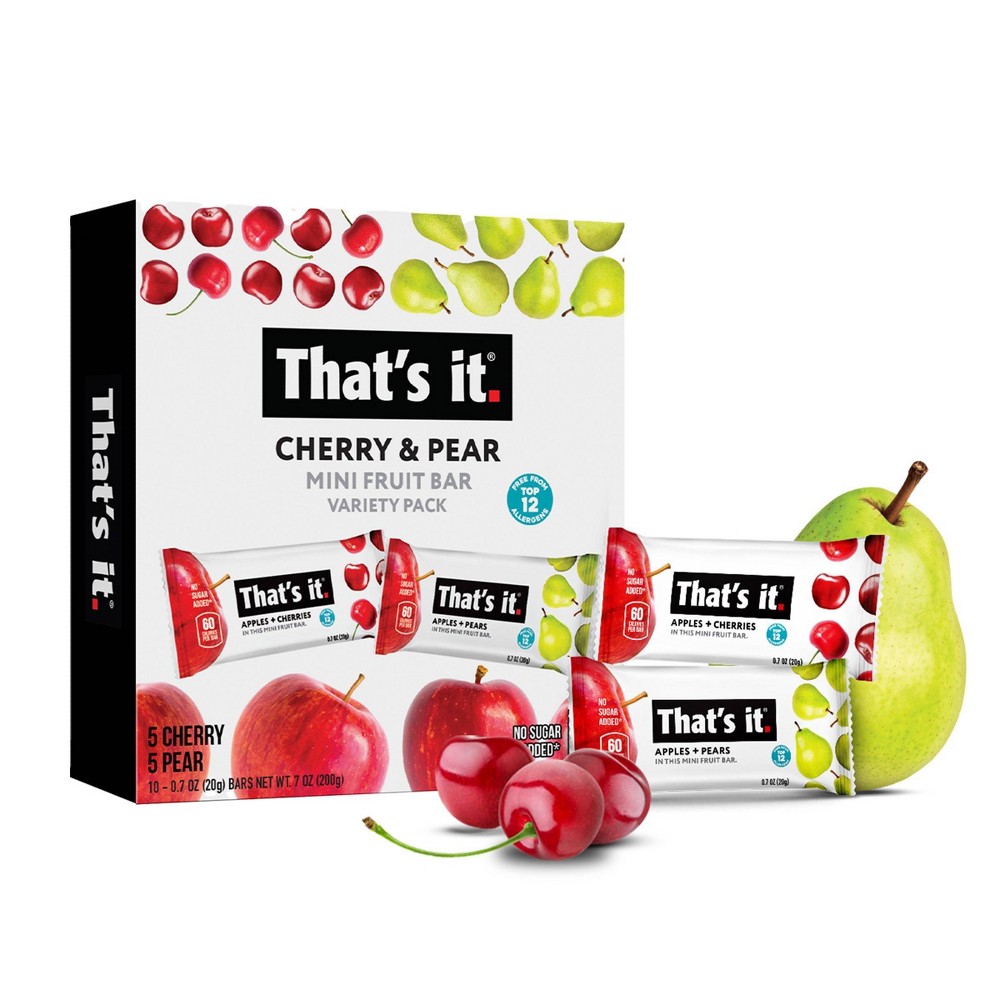


layered fruit bar Raspberry Lemonade
Summary
This layered fruit bar is heavily processed, containing concentrated fruit juices and natural flavors, which lack transparency and can be derived from various sources. The high sugar content, primarily from fruit concentrates, contributes to its sweetness but also raises concerns about excessive sugar intake. Despite the absence of artificial additives, the ultra-processed nature of the product limits its healthfulness.
At a glance
Key ingredients 7
Apple Puree ConcentrateNeutral
Apple puree concentrate is a processed form of apples that retains some natural sugars and flavors. It is often used in fruit bars for its sweetness and texture. However, the concentration process can reduce the fiber content compared to whole apples.
Benefits
Provides natural sweetness and some vitamins from apples, though less fiber than whole fruit.
Apple Juice ConcentrateNeutral
Apple juice concentrate is a concentrated form of apple juice, used for its sweetness and flavor. It is high in natural sugars, which can contribute to calorie intake. The concentration process removes most fiber and some nutrients found in whole apples.
Risks
High in natural sugars, which can contribute to increased calorie intake and potential blood sugar spikes.
Benefits
Offers natural apple flavor and some vitamins, though lacks fiber and some nutrients compared to whole apples.
Lemon Juice ConcentrateNeutral
Lemon juice concentrate is used for its tart flavor and acidity, enhancing the taste profile of fruit bars. It is a source of vitamin C, though the concentration process may reduce some nutrient content. It is generally considered a safe and natural ingredient.
Benefits
Provides a source of vitamin C and enhances flavor with natural acidity.
Citrus PectinNeutral
Citrus pectin is a natural gelling agent derived from citrus fruits, used to improve texture and stability in food products. It is a soluble fiber that can aid in digestion. The extraction process is generally considered safe and retains the beneficial fiber properties.
Benefits
Acts as a soluble fiber that can support digestive health and improve product texture.
Vegetable And Fruit Juices For ColorNeutral
Vegetable and fruit juices for color are natural colorants derived from sources like carrot and blueberry. They are used to enhance the visual appeal of food products without artificial dyes. These natural colorants are generally considered safe and preferable to synthetic alternatives.
Benefits
Provides natural coloring without the use of artificial dyes, contributing to a more appealing product appearance.
Raspberry Juice ConcentrateNeutral
Raspberry juice concentrate is used for its natural sweetness and flavor, derived from raspberries. It is high in natural sugars and provides some vitamins and antioxidants. The concentration process reduces fiber content compared to whole raspberries.
Risks
High in natural sugars, which can contribute to increased calorie intake and potential blood sugar spikes.
Benefits
Offers natural raspberry flavor and some antioxidants, though lacks fiber compared to whole raspberries.
Natural FlavorsBad
Natural flavors are added to enhance the taste of food products, but they can be derived from a wide range of sources and lack transparency. The term 'natural' does not guarantee the absence of processing or additives. This lack of clarity can be concerning for consumers seeking transparency in ingredient sourcing.
Risks
Potential for undisclosed additives or processing methods that may not align with consumer preferences for natural ingredients.
Processing
Ultra-Processed Foods
Get the full breakdown in the Scout app
Scan any product to see lab results, healthy alternatives, and your personalized analysis.
Download on theApp Store