
At a glance
Summary
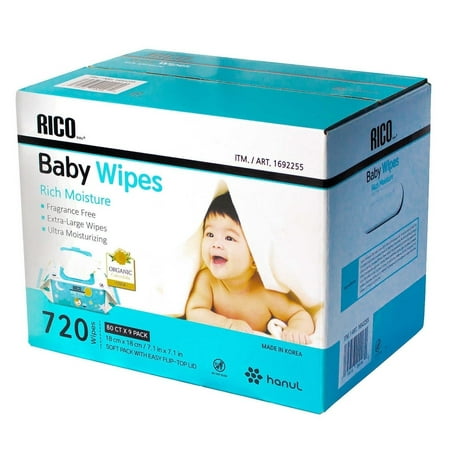
RICO Baby Wipes are composed of primarily beneficial ingredients such as water, glycerin, aloe vera, and vitamin E, which are known for their moisturizing and soothing properties. The product is minimally processed and free from harmful substances like synthetic fragrances or dyes, making it a safe choice for delicate skin. The absence of harsh chemicals and the inclusion of natural ingredients contribute to its high rating.
Key ingredients 8
Aloe Barbadensis Leaf JuiceVery Good
Aloe Barbadensis Leaf Juice is known for its soothing and moisturizing properties. It is widely used in skincare for its ability to calm irritated skin and provide hydration. In baby wipes, it helps soothe and protect delicate skin.
Risks
Aloe is generally safe, but some individuals may experience allergic reactions.
Benefits
Aloe provides soothing and moisturizing benefits, ideal for sensitive skin.
Tocopheryl AcetateGood
Tocopheryl Acetate is a form of Vitamin E, known for its antioxidant properties. It helps protect the skin from oxidative stress and supports skin health. In wipes, it contributes to skin nourishment and protection.
Risks
It is generally safe, but high concentrations may cause skin irritation.
Benefits
It provides antioxidant protection and supports skin health.
WaterNeutral
Water is the base of the formulation — inert.
Risks
There are no significant risks associated with water in this context.
Benefits
Water is crucial for hydration and helps in maintaining skin moisture.
GlycerinNeutral
Standard formulation ingredient — neither beneficial nor harmful at typical use.
Risks
Glycerin is generally safe, but in rare cases, it may cause irritation if used in high concentrations.
Benefits
Glycerin helps maintain skin moisture and prevents dryness.
HydroxyethylcelluloseNeutral
Hydroxyethylcellulose is a thickening agent derived from cellulose, used to improve the texture of products. It helps stabilize formulations and provides a smooth application. In wipes, it ensures the liquid is evenly distributed.
Risks
There are minimal risks, though it may cause mild irritation in sensitive individuals.
Benefits
It enhances the texture and stability of the product.
Citric AcidNeutral
Citric Acid is used to adjust the pH of products, ensuring they are compatible with skin. It also acts as a mild preservative. In wipes, it helps maintain the stability and effectiveness of the formulation.
Risks
It can cause irritation if used in high concentrations or on sensitive skin.
Benefits
It helps maintain the product's pH balance and stability.
Potassium SorbateBad
Synthetic preservative — flagged in daily-use products.
Risks
In rare cases, it may cause skin irritation or allergic reactions.
Benefits
It effectively preserves the product, preventing microbial growth.
Sodium BenzoateBad
Synthetic preservative that can form benzene in the presence of vitamin C.
Risks
It may cause irritation in sensitive individuals, especially in high concentrations.
Benefits
It helps preserve the product by preventing microbial contamination.
Get the full breakdown in the Scout appTake Scout shopping
Scan any product to see lab results, healthy alternatives, and your personalized analysis.
Download on theApp Store GET IT ONGoogle PlayAmazon pricing & content
CERTAIN CONTENT THAT APPEARS ON THIS SITE COMES FROM AMAZON. THIS CONTENT IS PROVIDED “AS IS” AND IS SUBJECT TO CHANGE OR REMOVAL AT ANY TIME.