


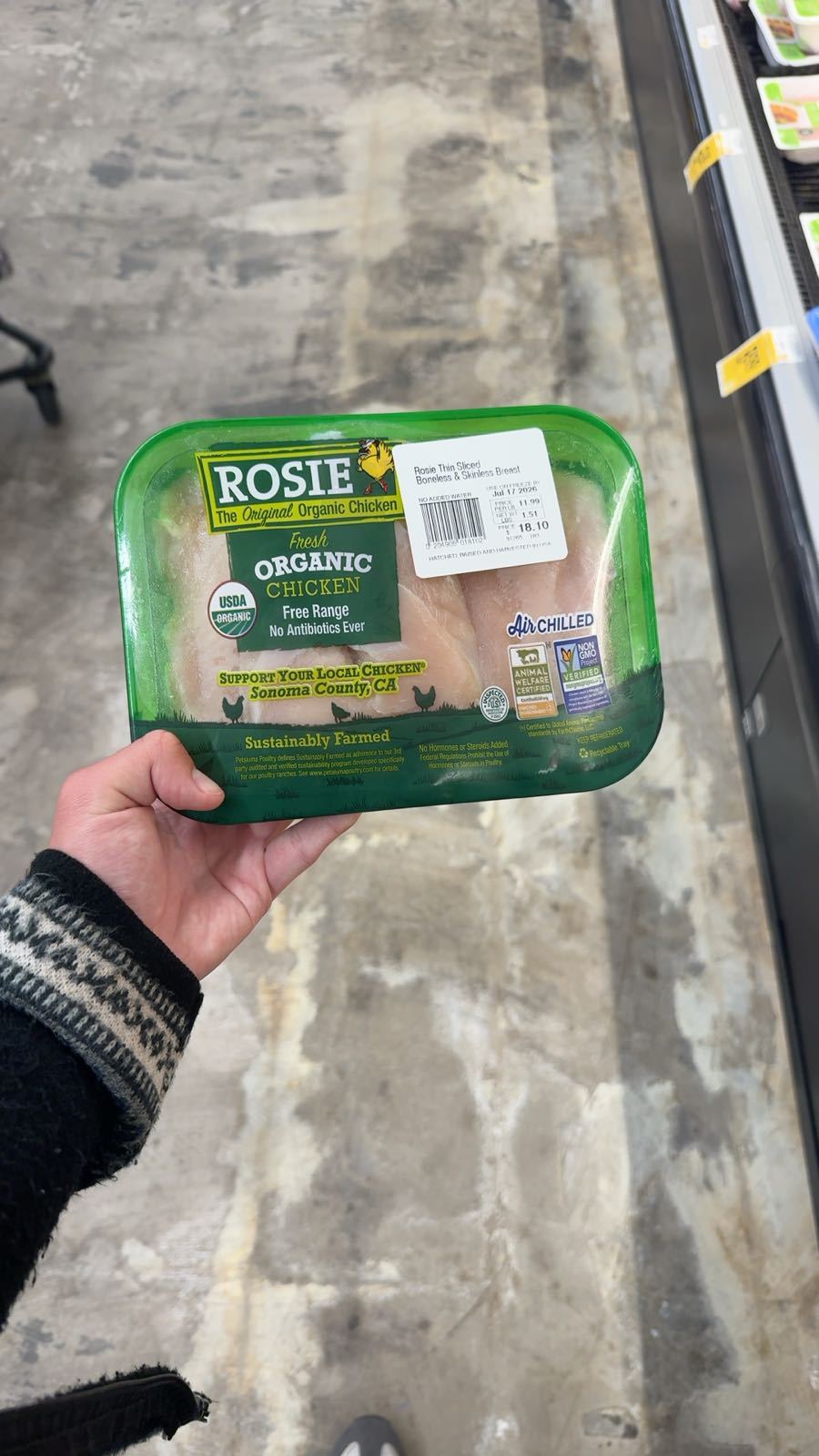

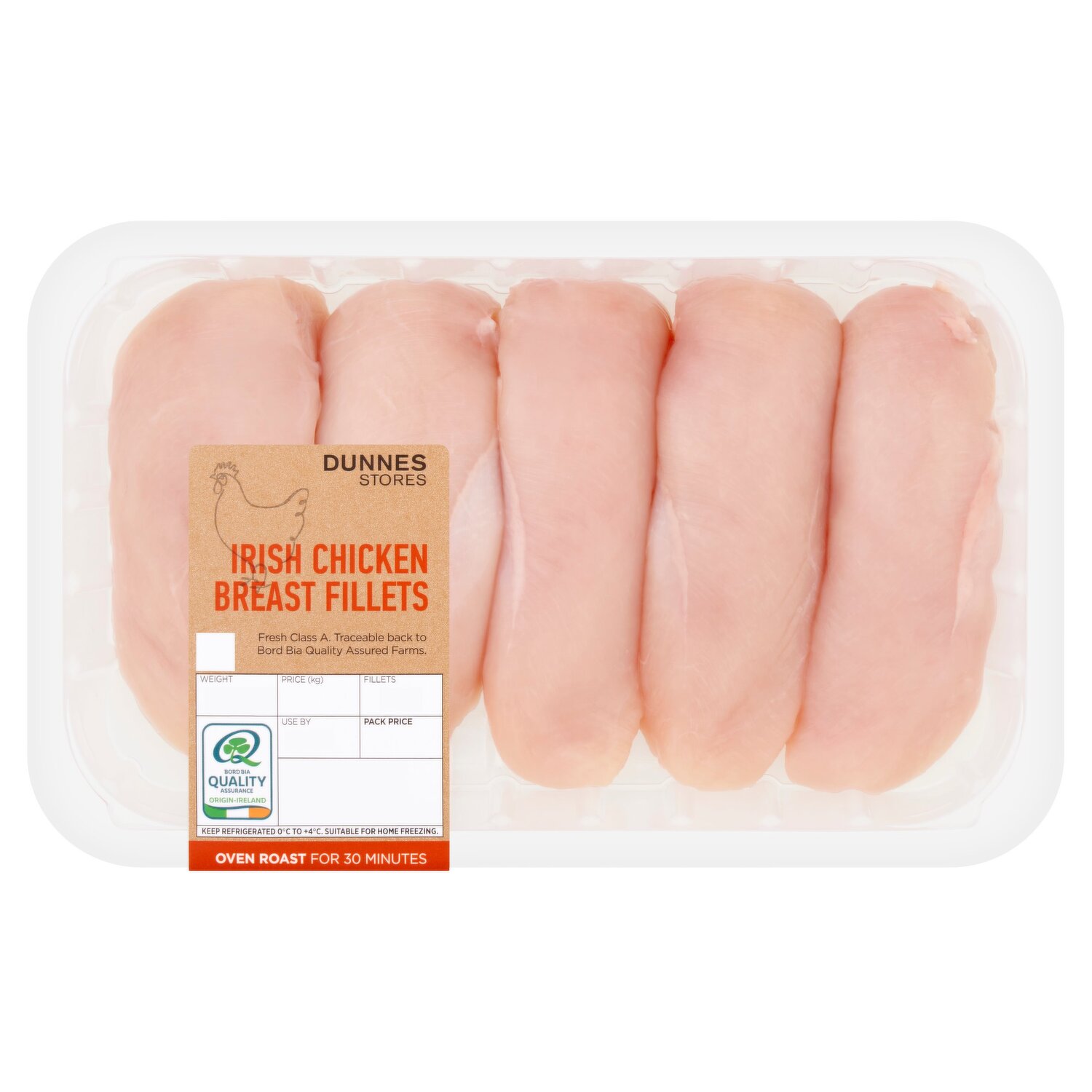
Lightly Breaded Chicken Breast Fillets
Near you
Kirkland Signature is carried at Costco stores. Find one within 25 miles.
Summary
The product contains boneless skinless chicken breast, which is a high-quality protein source, but it is also processed with added sugars and vegetable oils. The presence of refined sugar and highly processed vegetable oils, such as canola and soybean oil, contributes to a lower score due to their potential health impacts. Additionally, the product's processing level limits its overall healthiness despite the presence of some beneficial ingredients.
At a glance
Key ingredients 13
Boneless skinless chicken breastGood
A high-quality source of animal protein providing essential amino acids. It is minimally processed and offers a rich nutrient profile. Compared to plant-based proteins, it provides better absorption and utilization in the body.
Benefits
Rich in protein, supporting muscle growth and repair. Contains essential vitamins and minerals such as B vitamins and selenium.
WaterNeutral
Used as a processing aid and to maintain moisture in the product. It is a neutral ingredient with no direct nutritional impact. Commonly used in food processing to improve texture and consistency.
See more about Water →SeasoningNeutral
A blend of various spices and flavorings to enhance taste. The specific composition can vary, but it generally includes natural spices. Provides flavor without significant nutritional impact.
Risks
Potential for allergic reactions depending on individual sensitivities to specific spices.
Benefits
Enhances flavor and palatability of the product.
Rice starchNeutral
Used as a thickening agent and to improve texture. It is a refined carbohydrate with minimal nutritional value. Commonly used in processed foods for its functional properties.
See more about Rice starch →Wheat flourNeutral
A common ingredient in breading, providing structure and texture. It is a source of carbohydrates but can be refined, reducing its nutritional value. Often used in processed foods for its functional properties.
Risks
Contains gluten, which may cause issues for individuals with celiac disease or gluten sensitivity.
Benefits
Provides carbohydrates for energy.
SugarBad
Refined sugar used to enhance flavor and balance seasoning. It is a source of empty calories with no essential nutrients. Excessive consumption can lead to health issues such as obesity and diabetes.
Risks
High intake may contribute to weight gain, insulin resistance, and dental cavities.
SaltNeutral
Used for flavor enhancement and preservation. While essential for bodily functions, excessive intake can lead to health issues. Commonly used in processed foods to improve taste and shelf life.
Risks
High sodium intake can increase the risk of hypertension and cardiovascular diseases.
Benefits
Essential for maintaining fluid balance and nerve function.
Nonfat dried milkNeutral
Provides a source of protein and calcium in a concentrated form. It is processed to remove fat and moisture, extending shelf life. Commonly used in processed foods for its nutritional and functional properties.
Risks
Contains lactose, which may cause issues for lactose-intolerant individuals.
Benefits
Provides protein and calcium, supporting bone health.
Dried egg whitesNeutral
A concentrated source of protein used to improve texture and binding. It is processed to remove moisture, enhancing shelf stability. Provides high-quality protein with a complete amino acid profile.
Risks
Potential allergen for individuals with egg allergies.
Benefits
Rich in protein, supporting muscle growth and repair.
Baking powderNeutral
A leavening agent used to improve texture and volume. It is a combination of an acid and a base that releases carbon dioxide when moistened. Commonly used in baked goods to achieve a light, airy texture.
SpiceNeutral
Used to enhance flavor and aroma in the product. Spices are natural ingredients with minimal nutritional impact. They contribute to the sensory appeal of foods.
Risks
Potential for allergic reactions depending on individual sensitivities.
Benefits
Enhances flavor and may provide minor antioxidant benefits.
PaprikaNeutral
A spice derived from ground peppers, used for flavor and color. It is a natural ingredient with minimal nutritional impact. Provides a mild, sweet flavor and vibrant color to foods.
Benefits
Contains antioxidants like vitamin A and capsaicin.
Vegetable oilVery Bad
Typically a blend of seed oils, high in omega-6 fatty acids. These oils are highly processed and may contribute to inflammation. Often used in processed foods due to cost-effectiveness and stability.
Risks
High omega-6 content may promote inflammation when consumed in excess.
Processing
Processed Foods
Get the full breakdown in the Scout app
Scan any product to see lab results, healthy alternatives, and your personalized analysis.
Download on theApp Store