
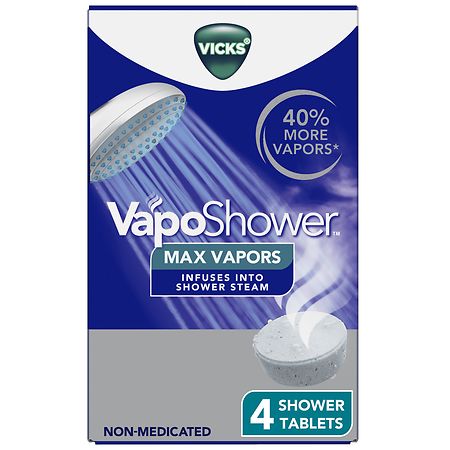


Vicks VapoShower Max Dissolving Vapors - 4ct: Cold, Cough or Flu Treatment, Dissolving Tablet, Sodium Carbonate
Analysis updated August 2026 · How Scout scores
At a glance
Summary
This product contains citric acid, which is a beneficial and biodegradable ingredient, contributing to its environmental friendliness. However, the presence of synthetic fragrance is a concern due to potential allergens and irritants, which can affect sensitive individuals. The overall formulation includes a mix of safe and potentially problematic ingredients, leading to a moderate safety and environmental impact score.
Key ingredients 9
Sodium CarbonateNeutral
Sodium carbonate is a common ingredient in cleaning products, used for its ability to soften water and enhance cleaning efficiency. It is generally considered safe for use in household cleaning applications. However, it can be irritating to the skin and eyes if not handled properly.
Risks
Potential skin and eye irritation if not used with caution.
Benefits
Effective in softening water and improving cleaning performance.
Sodium SesquicarbonateNeutral
Sodium sesquicarbonate is a compound used in cleaning products for its buffering and water-softening properties. It is less alkaline than sodium carbonate, making it milder. While generally safe, it can still cause irritation upon contact with skin or eyes.
Risks
May cause skin and eye irritation upon contact.
Benefits
Provides buffering and water-softening properties, enhancing cleaning effectiveness.
Sodium BicarbonateNeutral
Sodium bicarbonate is a mild abrasive and deodorizer commonly used in cleaning products. It is known for its ability to neutralize odors and clean surfaces without harsh chemicals. While generally safe, excessive use can lead to residue buildup.
Risks
Excessive use may lead to residue buildup.
Benefits
Acts as a mild abrasive and deodorizer, neutralizing odors effectively.
Citric AcidNeutral
Common acidulant and preservative — safe at typical use levels, neither beneficial nor harmful.
Risks
May cause mild irritation if it comes into contact with skin or eyes.
Benefits
Biodegradable and effective at breaking down grime and removing limescale.
Sodium ChlorideNeutral
Sodium chloride, or table salt, is used in cleaning products to enhance the effectiveness of other ingredients. It is generally safe and non-toxic in cleaning applications. However, it can contribute to corrosion if used excessively on certain surfaces.
Risks
May contribute to corrosion on certain surfaces if used excessively.
Benefits
Enhances the effectiveness of other cleaning ingredients.
WaterNeutral
Water is a universal solvent used in cleaning products to dissolve other ingredients and facilitate application. It is safe and non-toxic, serving as a base for many formulations. However, it does not contribute to cleaning efficacy on its own.
Benefits
Acts as a solvent and base for other ingredients, facilitating application.
PEG-180Neutral
PEG-180 is a polyethylene glycol used as a thickener and stabilizer in cleaning products. It is generally considered safe for use in household applications. However, there are concerns about potential contamination with harmful impurities during manufacturing.
Risks
Potential contamination with harmful impurities during manufacturing.
Benefits
Serves as a thickener and stabilizer, enhancing product consistency.
HydroxypropylNeutral
Hydroxypropyl compounds are used in cleaning products as thickeners and stabilizers. They are generally considered safe for use in household applications. However, they can cause mild irritation if they come into contact with skin or eyes.
Risks
May cause mild irritation upon contact with skin or eyes.
Benefits
Acts as a thickener and stabilizer, improving product consistency.
FragranceVery Bad
Fragrance in cleaning products often refers to synthetic compounds used to impart a pleasant smell. These can contain allergens and irritants, posing risks to sensitive individuals. The exact composition is often undisclosed, leading to concerns about potential health effects.
Risks
Potential allergens and irritants, with undisclosed composition posing health concerns.
Benefits
Provides a pleasant scent to the product.
Processing
Processed Foods
Get the full breakdown in the Scout appTake Scout shopping
Scan any product to see lab results, healthy alternatives, and your personalized analysis.
Download on theApp Store GET IT ONGoogle Play