
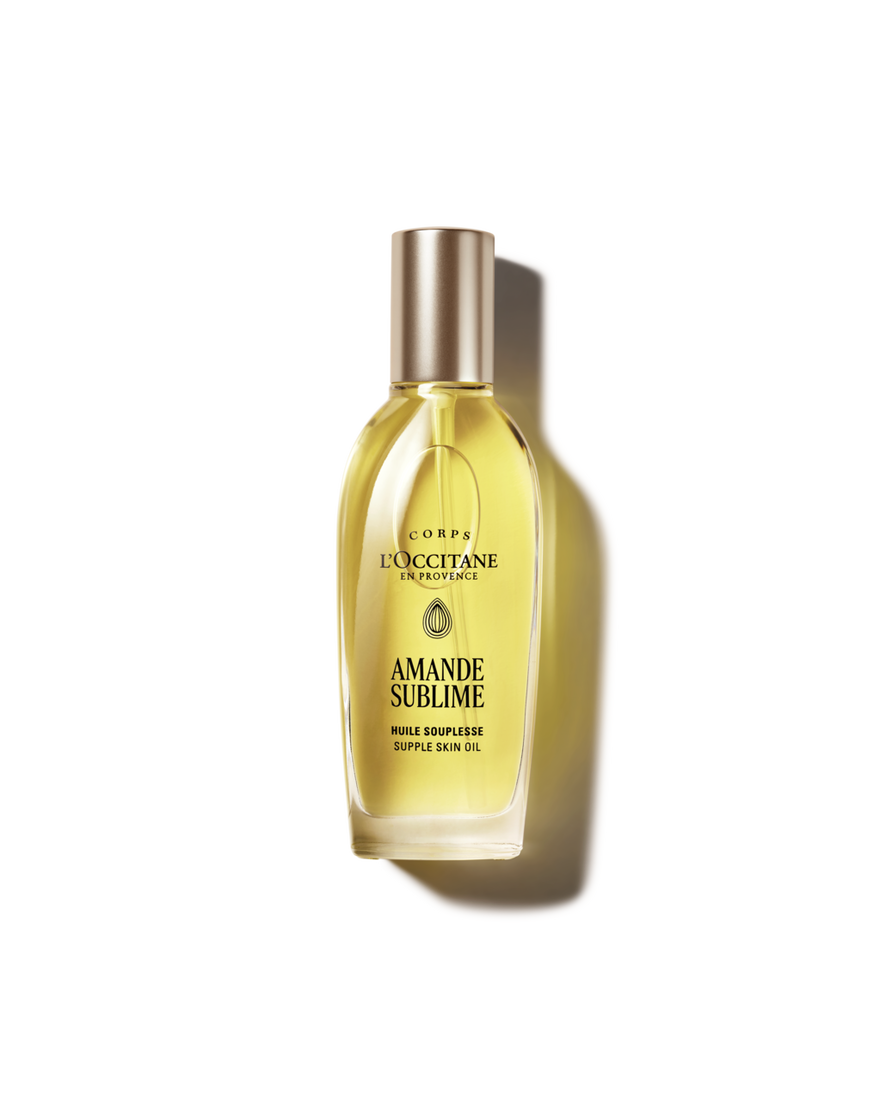
L'Occitane Almond Supple Skin Oil - 3.4 oz - NEW
Analysis updated September 2026 · How Scout scores
At a glance
Summary
This body oil contains a variety of beneficial natural oils such as sweet almond, camelina, and rosehip, which are known for their moisturizing and skin-nourishing properties. However, the presence of 'fragrance' introduces potential allergens and skin irritants, which slightly lowers the overall safety profile. The product is mostly composed of natural ingredients, but the inclusion of synthetic fragrance prevents it from achieving a top-tier rating.
Key ingredients 16
Prunus Amygdalus Dulcis (Sweet Almond) OilVery Good
Sweet Almond Oil is a natural emollient that helps to moisturize and soften the skin. It is rich in vitamins A and E, which are beneficial for skin health.
Risks
There is a low risk of allergic reactions for individuals with nut allergies.
Benefits
It provides deep hydration and can improve skin tone and texture.
Camelina Sativa Seed OilVery Good
Camelina Oil is rich in omega-3 fatty acids and antioxidants, which help to nourish and protect the skin. It is known for its anti-inflammatory properties.
Risks
Low risk of irritation; generally safe for topical use.
Benefits
Provides nourishment and helps to maintain skin elasticity.
Rosa Canina Fruit OilVery Good
Rosehip Oil is high in essential fatty acids and vitamins A and C, which are beneficial for skin regeneration and repair. It is known for its anti-aging properties.
Risks
Low risk of irritation; suitable for most skin types.
Benefits
Helps to reduce the appearance of scars and fine lines.
Helianthus Annuus (Sunflower) Seed OilVery Good
Sunflower Seed Oil is a non-comedogenic carrier oil that is rich in vitamin E. It helps to retain moisture in the skin and provides a protective barrier.
Risks
Generally safe with a low risk of irritation.
Benefits
Moisturizes and protects the skin without clogging pores.
Hippophae Rhamnoides Fruit OilVery Good
Sea Buckthorn Oil is rich in vitamins and omega fatty acids, which help to nourish and repair the skin. It is known for its anti-inflammatory and healing properties.
Risks
Low risk of irritation; suitable for most skin types.
Benefits
Promotes skin regeneration and helps to reduce inflammation.
TocopherolVery Good
Tocopherol, or vitamin E, is a powerful antioxidant that helps to protect the skin from oxidative stress. It is commonly used in skincare for its moisturizing properties.
Risks
Generally safe with a low risk of irritation.
Benefits
Helps to moisturize and protect the skin from environmental damage.
Caprylic/Capric TriglycerideGood
This ingredient is derived from coconut oil and glycerin, and is used as an emollient and skin-replenishing ingredient. It helps to improve the spreadability of products.
Risks
Generally considered safe with a low risk of irritation.
Benefits
It helps to moisturize and replenish the skin without leaving a greasy residue.
Citrus Aurantium Bergamia (Bergamot) Fruit OilGood
Bergamot Oil is known for its refreshing scent and potential antibacterial properties. It is often used in aromatherapy for its calming effects.
Risks
May cause photosensitivity; should be used with caution in sunlight.
Benefits
Provides a refreshing scent and may help to soothe the skin.
Daucus Carota Sativa (Carrot) Root ExtractGood
Carrot Root Extract is rich in beta-carotene and vitamins, which are beneficial for skin health. It is known for its antioxidant properties.
Risks
Generally safe with a low risk of irritation.
Benefits
Helps to rejuvenate and protect the skin from environmental damage.
Oleyl AlcoholNeutral
Oleyl Alcohol is a fatty alcohol used as an emollient and thickener in cosmetic formulations. It is generally considered safe for use in cosmetics.
Risks
Minimal risk of irritation; generally safe for most skin types.
Benefits
Helps to improve the texture and consistency of the product.
Dioleyl Tocopheryl MethylsilanolNeutral
This ingredient is a derivative of vitamin E and is used for its antioxidant properties. It helps to stabilize formulations.
Risks
Generally considered safe with a low risk of irritation.
Benefits
Provides antioxidant benefits and helps to protect the skin from free radicals.
CoumarinNeutral
Coumarin is a naturally occurring fragrance compound found in many plants. It is used for its sweet scent in cosmetic products.
Risks
Potential for skin irritation or allergic reactions in sensitive individuals.
Benefits
Adds a pleasant fragrance to the product.
LimoneneBad
Processed additive flagged under Scout's ingredient doctrine.
Risks
May cause skin irritation or allergic reactions in sensitive individuals.
Benefits
Provides a citrus scent and may offer antioxidant benefits.
LinaloolBad
Processed additive flagged under Scout's ingredient doctrine.
Risks
May cause skin irritation or allergic reactions in sensitive individuals.
Benefits
Provides a floral fragrance and may have calming effects.
CitralBad
Processed additive flagged under Scout's ingredient doctrine.
Risks
May cause skin irritation or allergic reactions in sensitive individuals.
Benefits
Provides a fresh lemon scent and may have antimicrobial properties.
Parfum/FragranceVery Bad
Fragrance is often a mixture of various chemicals and can cause skin irritation or allergic reactions. It is a common allergen in cosmetic products.
Risks
Potential for skin irritation and allergic reactions, especially in sensitive individuals.
Benefits
Provides a pleasant scent to the product.
Get the full breakdown in the Scout appTake Scout shopping
Scan any product to see lab results, healthy alternatives, and your personalized analysis.
Download on theApp Store GET IT ONGoogle PlayAmazon pricing & content
Amazon price as of . Product prices and availability are accurate as of the date/time indicated and are subject to change. Any price and availability information displayed on Amazon.com at the time of purchase will apply to the purchase of this product.
CERTAIN CONTENT THAT APPEARS ON THIS SITE COMES FROM AMAZON. THIS CONTENT IS PROVIDED “AS IS” AND IS SUBJECT TO CHANGE OR REMOVAL AT ANY TIME.