
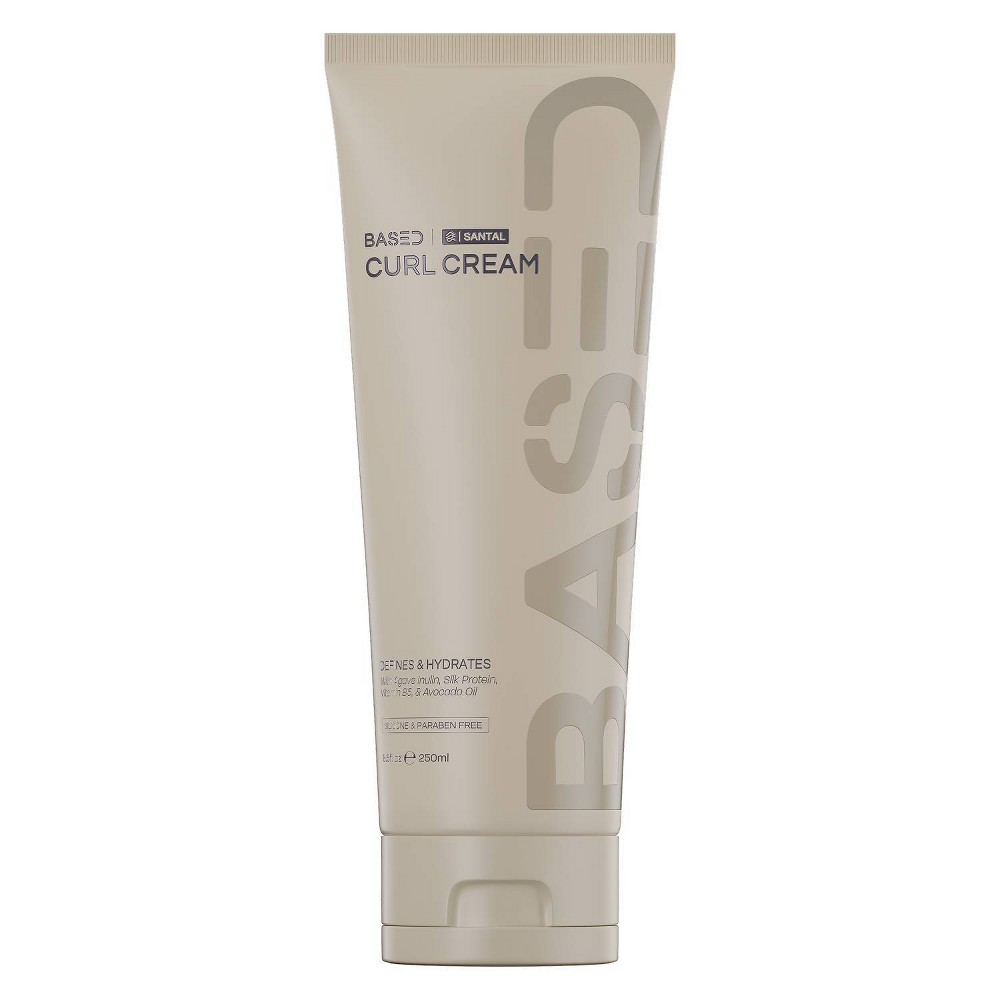



BASED Instant Definition & Frizz Control Curl Cream - 8.5 fl oz
Analysis updated September 2026 · How Scout scores
At a glance
Summary
This curl cream features a blend of natural oils and beneficial ingredients like castor oil, avocado oil, and squalane, which are known for their moisturizing and nourishing properties. The product avoids harsh chemicals and synthetic fragrances, using natural sandalwood for scent, and includes safe preservatives like potassium sorbate and sodium benzoate. The ingredient list is clean and recognizable, contributing to a high score for ingredient safety and minimal processing.
Key ingredients 18
Castor Oil (Ricinus Communis Seed Oil)Very Good
Castor oil is a natural oil known for its moisturizing properties. It is rich in ricinoleic acid, which helps to lock in moisture and provide a protective barrier on the skin. It is beneficial for dry and frizzy hair.
Risks
Some individuals may experience allergic reactions to castor oil.
Benefits
It provides deep hydration and helps in controlling frizz.
Agave (Moisturizes, Squalane Ferment)Very Good
Agave is known for its moisturizing properties, and squalane is a highly effective emollient. Together, they provide deep hydration and improve skin elasticity. They are beneficial for maintaining moisture balance.
Risks
There are no significant risks associated with agave or squalane in cosmetics.
Benefits
They enhance skin hydration and improve texture.
Avocado Oil (Persea Gratissima Oil)Very Good
Avocado oil is rich in fatty acids and vitamins, making it an excellent moisturizer. It helps to nourish and hydrate the skin and hair. It is beneficial for its emollient properties.
Risks
Some individuals may experience allergic reactions to avocado oil.
Benefits
It deeply nourishes and hydrates the skin and hair.
Vitamin E (Tocopherol)Very Good
Vitamin E is a powerful antioxidant that helps to protect the skin from environmental damage. It is known for its moisturizing and skin-conditioning properties. It is beneficial for maintaining healthy skin.
Risks
There are minimal risks associated with vitamin E in cosmetics.
Benefits
It provides antioxidant protection and enhances skin hydration.
Vitamin B5 (Panthenol)Very Good
Vitamin B5, or panthenol, is known for its moisturizing and skin-conditioning properties. It helps to improve skin hydration and elasticity. It is beneficial for maintaining healthy skin and hair.
Risks
There are minimal risks associated with panthenol in cosmetics.
Benefits
It enhances skin and hair hydration and improves elasticity.
InulinGood
Inulin is a natural polysaccharide that acts as a prebiotic. It helps maintain the skin's natural microbiome and can improve skin texture. It is beneficial for maintaining healthy skin.
Risks
There are minimal risks associated with inulin in topical applications.
Benefits
It supports the skin's natural barrier and promotes a healthy microbiome.
Cetearyl OlivateGood
Cetearyl olivate is derived from olive oil and acts as an emulsifier. It helps to blend oil and water components in formulations. It is beneficial for its moisturizing properties.
Risks
There are minimal risks associated with cetearyl olivate.
Benefits
It enhances skin hydration and improves product texture.
Sorbitan OlivateGood
Sorbitan olivate is an emulsifier derived from olive oil. It helps to stabilize formulations and improve skin feel. It is beneficial for its moisturizing and skin-conditioning properties.
Risks
There are minimal risks associated with sorbitan olivate.
Benefits
It provides a smooth application and enhances skin hydration.
Hydrolyzed SilkGood
Hydrolyzed silk is a protein that helps to improve the texture and appearance of hair and skin. It provides a silky feel and enhances moisture retention. It is beneficial for its conditioning properties.
Risks
There are minimal risks associated with hydrolyzed silk.
Benefits
It improves hair and skin texture and provides a silky feel.
WaterNeutral
Water is a common solvent used in cosmetic formulations. It helps dissolve other ingredients and provides a base for the product. It does not have any direct benefits or risks.
Risks
There are no significant risks associated with water in cosmetic products.
Benefits
Water helps in the application and absorption of the product.
Cetearyl AlcoholNeutral
Cetearyl alcohol is a fatty alcohol used as an emollient and thickener in cosmetics. It helps to stabilize formulations and improve texture. It is generally considered safe and non-irritating.
Risks
There are minimal risks associated with cetearyl alcohol.
Benefits
It provides a smooth texture and helps in product stability.
Santal Sandalwood (Natural Fragrance)Neutral
Sandalwood is used for its pleasant fragrance and potential calming effects. It is a natural fragrance option in cosmetics. It is generally considered safe when used in appropriate concentrations.
Risks
Some individuals may experience allergic reactions to sandalwood.
Benefits
It provides a natural and pleasant scent to the product.
Guar Gum (Guar Hydroxypropyltrimonium Chloride)Neutral
Guar gum is a thickening agent used to improve the texture of cosmetic products. It helps to stabilize formulations and provide a smooth application. It is generally considered safe for use in cosmetics.
Risks
There are minimal risks associated with guar gum in cosmetics.
Benefits
It enhances product texture and stability.
HydroxyethylcelluloseNeutral
Hydroxyethylcellulose is a thickening agent used to improve the viscosity of cosmetic products. It helps to stabilize formulations and provide a smooth application. It is generally considered safe for use in cosmetics.
Risks
There are minimal risks associated with hydroxyethylcellulose.
Benefits
It enhances product texture and stability.
Citric AcidNeutral
Citric acid is used to adjust the pH of cosmetic products. It helps to maintain the stability and effectiveness of formulations. It is generally considered safe for use in cosmetics.
Risks
Some individuals may experience skin irritation with citric acid.
Benefits
It helps maintain product stability and effectiveness.
Sodium HydroxideNeutral
Sodium hydroxide is used to adjust the pH of cosmetic products. It helps to maintain the stability and effectiveness of formulations. It is generally considered safe when used in appropriate concentrations.
Risks
High concentrations can cause skin irritation, but it is typically used in low amounts.
Benefits
It helps maintain product stability and effectiveness.
Potassium SorbateBad
Synthetic preservative — flagged in daily-use products.
Risks
Some individuals may experience skin irritation with potassium sorbate.
Benefits
It helps maintain product freshness and safety.
Sodium BenzoateBad
Synthetic preservative that can form benzene in the presence of vitamin C.
Risks
Some individuals may experience skin irritation with sodium benzoate.
Benefits
It helps preserve the product and prevent spoilage.
Get the full breakdown in the Scout appTake Scout shopping
Scan any product to see lab results, healthy alternatives, and your personalized analysis.
Download on theApp Store GET IT ONGoogle PlayAmazon pricing & content
Amazon price as of . Product prices and availability are accurate as of the date/time indicated and are subject to change. Any price and availability information displayed on Amazon.com at the time of purchase will apply to the purchase of this product.
CERTAIN CONTENT THAT APPEARS ON THIS SITE COMES FROM AMAZON. THIS CONTENT IS PROVIDED “AS IS” AND IS SUBJECT TO CHANGE OR REMOVAL AT ANY TIME.