

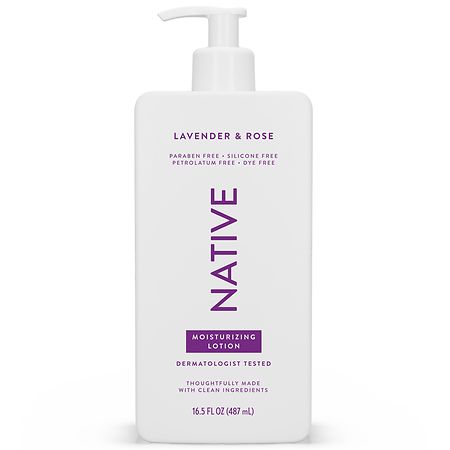
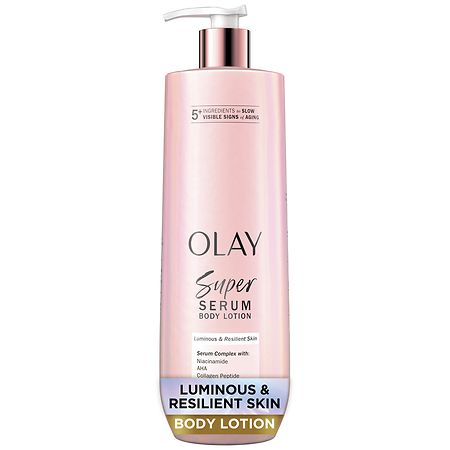
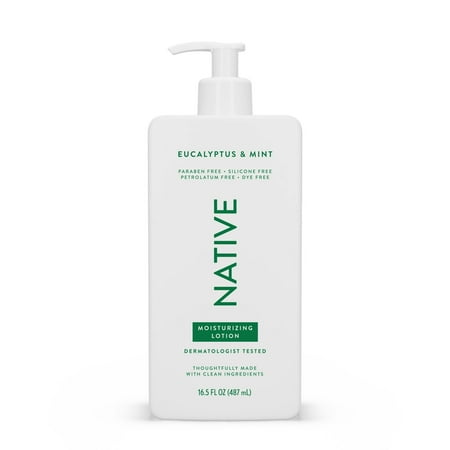

Moisturizing Baby Lotion
Analysis updated June 2026 · How Scout scores
At a glance
Summary
This moisturizing baby lotion contains mostly safe and recognizable ingredients such as coconut oil and glycerin, which are beneficial for skin hydration. However, the presence of processed ingredients like isopropyl palmitate and cetyl alcohol, while generally safe, indicates a moderate level of processing. The absence of synthetic fragrances or harsh chemicals is a positive aspect, but the processing level prevents it from achieving a top-tier score.
Key ingredients 7
Cocos Nucifera (Coconut) OilVery Good
Coconut oil is a natural emollient that helps moisturize and soothe the skin, making it beneficial for gentle skincare.
See more about Cocos Nucifera (Coconut) Oil →GlycerinGood
Glycerin is a natural humectant that attracts moisture to the skin, aiding in hydration and skin barrier support.
See more about Glycerin →WaterNeutral
Water is the base of the formulation — inert.
See more about Water →Stearic AcidNeutral
Stearic Acid is a common fatty acid used as an emulsifier and thickener, generally considered safe but neutral in its effects.
See more about Stearic Acid →Glyceryl StearateNeutral
Glyceryl Stearate acts as an emulsifier to blend oil and water components, with a neutral safety profile.
See more about Glyceryl Stearate →Cetyl AlcoholNeutral
Cetyl Alcohol is a fatty alcohol that functions as an emollient and thickener, typically well-tolerated in skincare products.
See more about Cetyl Alcohol →Isopropyl PalmitateBad
Isopropyl Palmitate can sometimes cause skin irritation or clog pores, which is a concern for sensitive skin like that of babies.
See more about Isopropyl Palmitate →Processing
Processed Foods
Get the full breakdown in the Scout appTake Scout shopping
Scan any product to see lab results, healthy alternatives, and your personalized analysis.
Download on theApp Store GET IT ONGoogle PlayAmazon pricing & content
Amazon price as of . Product prices and availability are accurate as of the date/time indicated and are subject to change. Any price and availability information displayed on Amazon.com at the time of purchase will apply to the purchase of this product.
CERTAIN CONTENT THAT APPEARS ON THIS SITE COMES FROM AMAZON. THIS CONTENT IS PROVIDED “AS IS” AND IS SUBJECT TO CHANGE OR REMOVAL AT ANY TIME.