
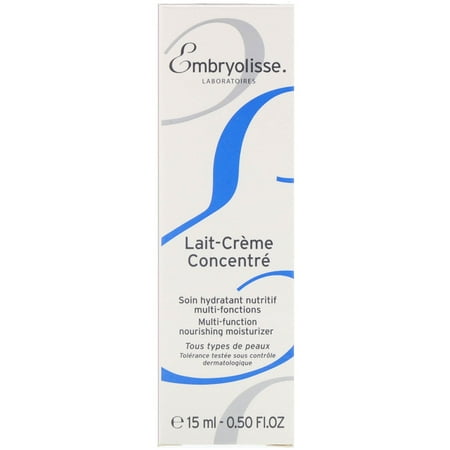
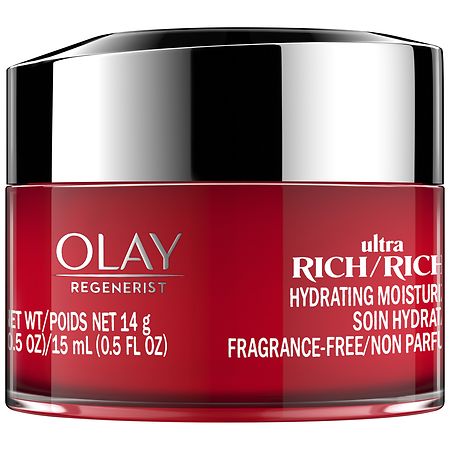


At a glance
Summary
This moisturizer contains beneficial natural ingredients like beeswax and shea butter, which provide moisturizing and protective benefits for the skin. However, the presence of triethanolamine, which can cause skin irritation and has contamination concerns, affects the overall safety profile. Additionally, the inclusion of paraffinum liquidum, a mineral oil derivative, raises concerns about potential contamination, impacting the product's rating.
Key ingredients 10
Cera Alba (Beeswax)Very Good
Beeswax is a natural wax used as an emollient and thickening agent in cosmetics. It helps to lock in moisture and protect the skin. It is well-tolerated and provides a protective barrier.
Risks
Minimal risk of allergic reaction in sensitive individuals.
Benefits
Locks in moisture and provides a protective barrier.
Butyrospermum Parkii (Shea) ButterVery Good
Shea Butter is a natural fat extracted from the nuts of the shea tree. It is highly moisturizing and contains vitamins and fatty acids beneficial for the skin. It is well-tolerated and helps to soothe and nourish the skin.
Risks
Minimal risk of allergic reaction.
Benefits
Highly moisturizing and nourishing for the skin.
Aqua (Water)Neutral
Water is a common solvent used in cosmetics to dissolve other ingredients. It helps in the application and absorption of the product. It does not provide any direct benefits or risks.
Risks
There are no significant risks associated with water in cosmetics.
Benefits
Water helps in the application and absorption of the product.
Stearic AcidNeutral
Stearic Acid is a fatty acid used as an emulsifier and thickener in cosmetics. It helps to stabilize formulations and improve texture. It is generally safe and non-irritating.
Risks
Rarely, it may cause irritation in sensitive individuals.
Benefits
Improves product texture and stability.
Glyceryl Stearate SENeutral
Glyceryl Stearate SE is an emulsifying agent that helps to blend water and oils. It also acts as a lubricant on the skin's surface. It is generally considered safe for use in cosmetics.
Risks
Minimal risk of irritation or allergic reaction.
Benefits
Helps to blend ingredients and provides a smooth application.
Cetyl PalmitateNeutral
Cetyl Palmitate is an ester used as an emollient and thickener in cosmetics. It helps to improve the texture and feel of the product. It is generally considered safe and non-irritating.
Risks
Low risk of irritation or allergic reaction.
Benefits
Improves product texture and provides emollient properties.
1, 2 HexanediolNeutral
1, 2 Hexanediol is a synthetic preservative and humectant used in cosmetics. It helps to retain moisture and extend the shelf life of products. It is generally considered safe and non-irritating.
Risks
Low risk of irritation or allergic reaction.
Benefits
Helps to retain moisture and extend product shelf life.
Caprylyl GlycolNeutral
Caprylyl Glycol is a humectant and skin conditioning agent used in cosmetics. It helps to retain moisture and improve skin texture. It is generally considered safe and non-irritating.
Risks
Low risk of irritation or allergic reaction.
Benefits
Helps to retain moisture and improve skin texture.
Paraffinum LiquidumBad
Processed additive flagged under Scout's ingredient doctrine.
Risks
May cause acne or clog pores in some individuals.
Benefits
Helps to lock in moisture and prevent skin dryness.
TriethanolamineBad
Triethanolamine is used to adjust pH and stabilize emulsions in cosmetics. However, it can cause skin irritation and has potential contamination concerns with nitrosamines. It is generally used in low concentrations to minimize risks.
Risks
Potential skin irritant and contamination with nitrosamines.
Benefits
Helps to stabilize emulsions and adjust pH.
Get the full breakdown in the Scout appTake Scout shopping
Scan any product to see lab results, healthy alternatives, and your personalized analysis.
Download on theApp Store GET IT ONGoogle Play