

Wild Growth Light Moisturizer Hair Oil 4 fl oz
Analysis updated September 2026 · How Scout scores
At a glance
Summary
This product features a blend of natural oils and essential oils, all known for their beneficial properties for hair and scalp health. Ingredients like coconut oil, olive oil, and jojoba oil provide excellent moisturizing and protective benefits without the use of synthetic chemicals or harsh additives. The formulation is minimally processed, focusing on high-quality, natural components that enhance hair health and shine.
Key ingredients 20
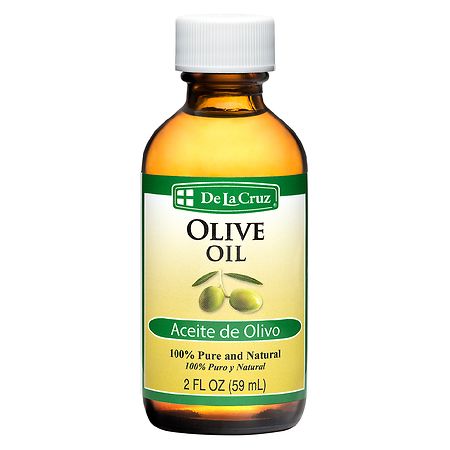
Olive oilVery Good
Olive oil is rich in antioxidants and healthy fats, making it an excellent moisturizer for hair and skin. It helps to improve hair elasticity and reduce breakage.
Risks
Overuse can lead to greasy hair or clogged pores on the scalp.
Benefits
It provides deep conditioning and enhances hair's natural shine.
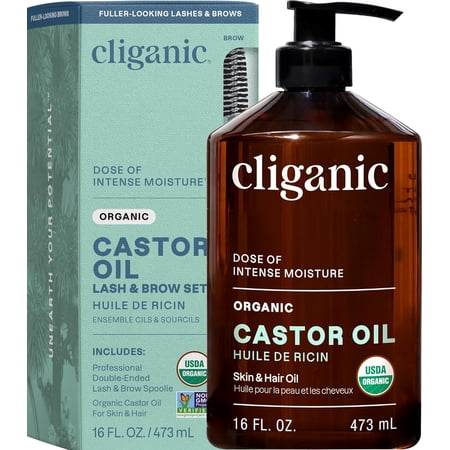
Castor oil (USP)Very Good
Castor oil is known for its high ricinoleic acid content, which promotes hair growth and strengthens hair roots. It has anti-inflammatory properties that can soothe the scalp.
Risks
May cause buildup if not washed out properly, leading to scalp issues.
Benefits
Encourages thicker, healthier hair growth and adds moisture to dry hair.
Jojoba oilVery Good
Jojoba oil closely resembles the natural oils of the scalp, making it an excellent moisturizer. It helps to balance oil production and provides a protective coating to hair strands.
Risks
Generally safe, but overuse can lead to oily hair.
Benefits
It is effective in reducing dandruff and promoting a healthy scalp.
Safflower oilVery Good
Safflower oil is rich in linoleic acid, which helps to maintain the integrity of the scalp's barrier. It is lightweight and easily absorbed, making it suitable for moisturizing hair without weighing it down.
Risks
May cause allergic reactions in sensitive individuals.
Benefits
Promotes hair growth and improves scalp health by enhancing circulation.
Rice bran oilVery Good
Rice bran oil contains antioxidants and vitamins that nourish the hair and scalp. It helps to strengthen hair and protect it from environmental damage.
Risks
Rarely, it may cause allergic reactions.
Benefits
Improves hair elasticity and adds shine.
Flax seed oilVery Good
Flax seed oil is high in omega-3 fatty acids, which are essential for healthy hair growth. It helps to reduce inflammation and promote a healthy scalp environment.
Risks
Can cause scalp irritation if used excessively.
Benefits
Enhances hair strength and reduces breakage.
Roman chamomile oilVery Good
Roman chamomile oil has soothing properties that can calm irritated scalps. It is also known for its ability to enhance hair color and add shine.
Risks
Potential allergen for some individuals.
Benefits
Provides a calming effect and enhances hair's natural highlights.
Evening primrose oilVery Good
Evening primrose oil is rich in gamma-linolenic acid, which helps to nourish the scalp and promote healthy hair growth. It has anti-inflammatory properties that can alleviate scalp conditions.
Risks
May cause mild irritation in sensitive individuals.
Benefits
Supports hair health and reduces scalp inflammation.
Carrot oilVery Good
Carrot oil is high in beta-carotene and vitamins, which are beneficial for hair health. It helps to rejuvenate and strengthen hair, promoting growth and shine.
Risks
Can cause scalp irritation if used in excess.
Benefits
Enhances hair growth and adds a natural shine.
Pumpkin seed oilVery Good
Pumpkin seed oil is rich in nutrients that support hair health, including zinc and vitamin E. It helps to strengthen hair and prevent hair loss.
Risks
Generally safe, but overuse can lead to oily hair.
Benefits
Promotes hair thickness and reduces hair fall.
Black cumin seed oilVery Good
Black cumin seed oil has antioxidant and anti-inflammatory properties that benefit the scalp. It helps to nourish hair follicles and promote healthy hair growth.
Risks
May cause allergic reactions in some individuals.
Benefits
Supports hair growth and improves scalp health.
Grape seed oilVery Good
Grape seed oil is lightweight and rich in antioxidants, making it an excellent moisturizer for hair. It helps to strengthen hair and protect it from damage.
Risks
Rarely, it may cause allergic reactions.
Benefits
Adds shine and reduces frizz without weighing hair down.
Noni oilVery Good
Noni oil is known for its nourishing properties and ability to improve scalp health. It contains vitamins and minerals that support hair growth and strength.
Risks
May cause irritation in sensitive individuals.
Benefits
Promotes healthy hair growth and enhances scalp condition.
Clary sage essential oilVery Good
Clary sage essential oil has balancing properties that help regulate oil production on the scalp. It is also known for its ability to promote hair growth and reduce dandruff.
Risks
Potential allergen for some individuals.
Benefits
Supports a healthy scalp and encourages hair growth.
Eucalyptus essential oilVery Good
Eucalyptus essential oil has antimicrobial properties that can help maintain a healthy scalp. It is also known for its refreshing scent and ability to stimulate hair follicles.
Risks
Can cause irritation if used undiluted.
Benefits
Promotes a healthy scalp environment and invigorates hair.
Frankincense essential oilVery Good
Frankincense essential oil is known for its soothing and healing properties. It helps to strengthen hair roots and promote a healthy scalp.
Risks
May cause allergic reactions in sensitive individuals.
Benefits
Supports hair health and reduces scalp inflammation.
Geranium essential oilVery Good
Geranium essential oil helps to balance oil production and improve scalp health. It is also known for its ability to strengthen hair and promote growth.
Risks
Potential allergen for some individuals.
Benefits
Enhances hair strength and supports a healthy scalp.
Lavender essential oilVery Good
Lavender essential oil is known for its calming properties and ability to promote hair growth. It helps to improve scalp health and reduce dandruff.
Risks
May cause irritation if used in excess.
Benefits
Promotes relaxation and supports healthy hair growth.
Peppermint essential oilVery Good
Peppermint essential oil has a cooling effect that can soothe the scalp and stimulate hair growth. It is also known for its antimicrobial properties.
Risks
Can cause irritation if used undiluted.
Benefits
Invigorates the scalp and promotes healthy hair growth.
Coconut oilGood
Coconut oil is a natural oil known for its moisturizing properties and ability to penetrate hair strands. It helps reduce protein loss in hair and provides a protective barrier against environmental damage.
Risks
Some individuals may experience allergic reactions or scalp irritation.
Benefits
It is highly effective in nourishing and strengthening hair, promoting shine and softness.
Get the full breakdown in the Scout appTake Scout shopping
Scan any product to see lab results, healthy alternatives, and your personalized analysis.
Download on theApp Store GET IT ONGoogle PlayAmazon pricing & content
Amazon price as of . Product prices and availability are accurate as of the date/time indicated and are subject to change. Any price and availability information displayed on Amazon.com at the time of purchase will apply to the purchase of this product.
CERTAIN CONTENT THAT APPEARS ON THIS SITE COMES FROM AMAZON. THIS CONTENT IS PROVIDED “AS IS” AND IS SUBJECT TO CHANGE OR REMOVAL AT ANY TIME.