

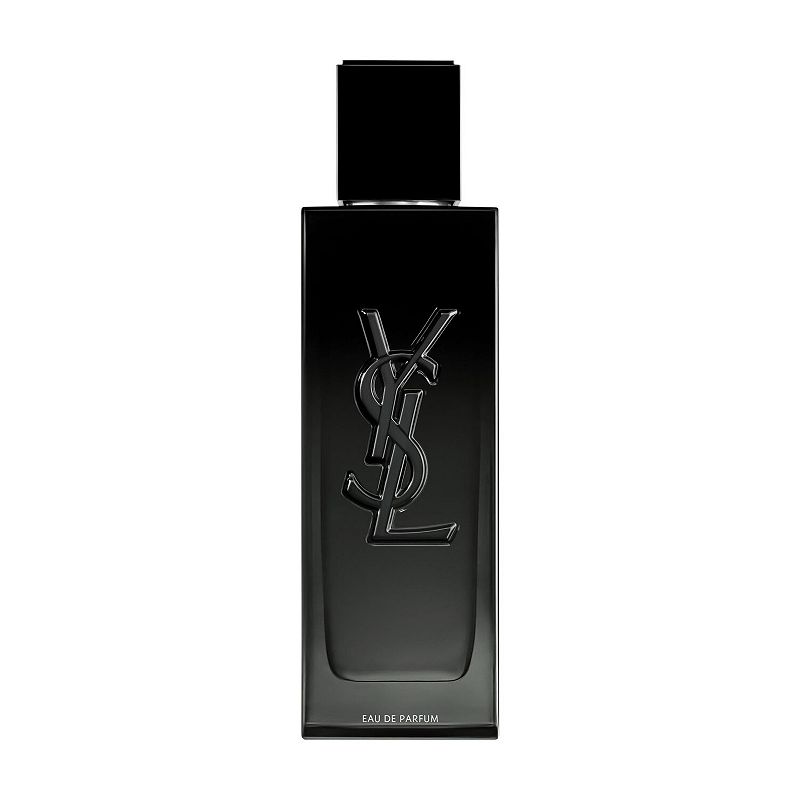

Yves Saint Laurent Nu Eau de Parfum, Perfume for Women, 2.7 Oz
Analysis updated June 2026 · How Scout scores
At a glance
Summary
This perfume contains a variety of natural and synthetic fragrance ingredients, such as patchouli, sandalwood, and vanilla, which are common in perfumery. While the product is ultra-processed, it does not contain harmful additives typically found in food products. The complexity of the fragrance composition reflects a high level of processing, but the ingredients themselves are generally considered safe for topical use.
Key ingredients 16
Black PepperGood
Beneficial ingredient — whole-food or functional value in this product class.
See more about Black Pepper →VanillaGood
Beneficial ingredient — whole-food or functional value in this product class.
See more about Vanilla →PatchouliNeutral
Patchouli is commonly used in perfumes for its earthy aroma. It is typically extracted through steam distillation, which preserves its natural scent profile. There are no significant health impacts when used in perfumes.
SandalwoodNeutral
Sandalwood is valued in perfumery for its warm, woody scent. It is often extracted through steam distillation, ensuring a high-quality fragrance. Its use in perfumes is primarily for aromatic purposes.
ElemiNeutral
Elemi is used in perfumes for its fresh, spicy aroma. It is typically obtained through steam distillation of the resin. Its primary role in perfumes is to enhance fragrance complexity.
BergamotNeutral
Bergamot is a citrus fruit used in perfumes for its fresh, uplifting scent. It is extracted through cold pressing of the fruit peel, preserving its aromatic compounds. It is primarily used for its fragrance properties.
See more about Bergamot →CardamomNeutral
Cardamom is used in perfumes for its spicy, aromatic scent. It is typically extracted through steam distillation of the seeds. Its use in perfumes is mainly for its aromatic qualities.
See more about Cardamom →MuskNeutral
Musk is used in perfumes for its deep, animalistic scent. It is often synthetically produced to mimic natural musk, ensuring ethical sourcing. Its primary function in perfumes is to add depth and longevity to the fragrance.
OrchidNeutral
Orchid is used in perfumes for its delicate floral scent. It is typically used in its natural form or as an extract to enhance fragrance profiles. Its role in perfumes is primarily aromatic.
IncenseNeutral
Incense is used in perfumes for its rich, smoky scent. It is typically derived from natural resins and used to add depth to fragrances. Its primary purpose in perfumes is aromatic.
OlibanumNeutral
Olibanum, also known as frankincense, is used in perfumes for its warm, resinous aroma. It is extracted through steam distillation of the resin. Its use in perfumes is primarily for its aromatic qualities.
AmberNeutral
Amber is used in perfumes for its warm, sweet scent. It is often a blend of resins and essential oils, crafted to mimic the natural scent. Its primary role in perfumes is to add warmth and depth.
CoconutNeutral
Coconut is used in perfumes for its sweet, tropical aroma. It is typically used as an extract or fragrance oil to enhance scent profiles. Its role in perfumes is primarily aromatic.
See more about Coconut →StyraxNeutral
Styrax is used in perfumes for its sweet, balsamic scent. It is extracted from the resin of the Styrax tree, often through solvent extraction. Its primary function in perfumes is aromatic.
CedarNeutral
Cedar is used in perfumes for its woody, earthy aroma. It is typically extracted through steam distillation of the wood. Its use in perfumes is mainly for its aromatic properties.
BenzoinNeutral
Benzoin is used in perfumes for its sweet, vanilla-like scent. It is extracted from the resin of the Styrax tree, often through solvent extraction. Its primary role in perfumes is to add sweetness and depth.
Processing
Ultra-Processed Foods
Get the full breakdown in the Scout appTake Scout shopping
Scan any product to see lab results, healthy alternatives, and your personalized analysis.
Download on theApp Store GET IT ONGoogle PlayAmazon pricing & content
Amazon price as of . Product prices and availability are accurate as of the date/time indicated and are subject to change. Any price and availability information displayed on Amazon.com at the time of purchase will apply to the purchase of this product.
CERTAIN CONTENT THAT APPEARS ON THIS SITE COMES FROM AMAZON. THIS CONTENT IS PROVIDED “AS IS” AND IS SUBJECT TO CHANGE OR REMOVAL AT ANY TIME.