

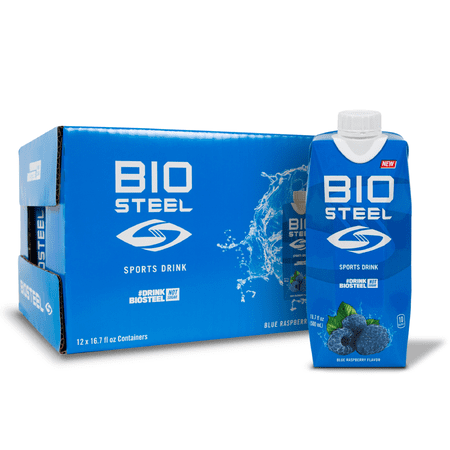


At a glance
Summary
This supplement contains high-quality, bioavailable forms of essential nutrients like calcium, magnesium, and zinc, which support bone health, muscle function, and immune health. The formulation is generally clean with beneficial ingredients, but the presence of 'natural flavors' introduces some uncertainty regarding the specific substances used. Overall, it is a well-formulated product with minimal processing concerns.
Key ingredients 27
Magnesium CitrateVery Good
Magnesium citrate is a highly absorbable form of magnesium, crucial for muscle and nerve function. It is known for its superior bioavailability compared to other forms of magnesium. This ingredient helps in energy production and maintaining normal muscle function.
Risks
Excessive intake may lead to gastrointestinal discomfort.
Benefits
Supports muscle relaxation, energy production, and overall metabolic health.
Potassium Citrate MonohydrateGood
Potassium citrate is a beneficial source of potassium, important for maintaining electrolyte balance. It helps in reducing the risk of kidney stones by alkalizing urine. This ingredient supports cardiovascular health by regulating blood pressure.
Risks
High doses may cause hyperkalemia, especially in individuals with kidney issues.
Benefits
Promotes heart health and helps in maintaining proper electrolyte balance.
Zinc Hydrolyzed Vegetable Protein ChelateGood
Zinc chelate is a highly bioavailable form of zinc, essential for immune function and wound healing. The chelation process enhances its absorption and utilization in the body. This ingredient supports immune health and skin integrity.
Risks
Excessive zinc intake can interfere with copper absorption.
Benefits
Boosts immune function and supports skin health and repair.
BiotinGood
Biotin is a B-vitamin essential for healthy hair, skin, and nails. It plays a crucial role in energy metabolism and the synthesis of fatty acids. This ingredient supports overall skin health and energy production.
Benefits
Promotes healthy hair, skin, and nails, and supports energy metabolism.
Choline BitartrateGood
Choline bitartrate is a source of choline, important for brain health and liver function. It supports the synthesis of acetylcholine, a neurotransmitter involved in memory and muscle control. This ingredient aids in cognitive function and liver health.
Risks
Excessive intake may cause gastrointestinal discomfort.
Benefits
Supports brain health and liver function.
CyanocobalaminGood
Cyanocobalamin is a synthetic form of vitamin B12, essential for red blood cell formation and neurological function. It is widely used due to its stability and effectiveness. This ingredient supports energy production and nerve health.
Benefits
Essential for energy production and maintaining healthy nerve cells.
InositolGood
Inositol is a carbohydrate compound that plays a role in cell signaling and insulin sensitivity. It is often used to support mental health and metabolic function. This ingredient aids in mood regulation and metabolic health.
Benefits
Supports mental health and improves insulin sensitivity.
NiacinGood
Niacin, or vitamin B3, is essential for energy metabolism and maintaining healthy skin. It helps convert nutrients into energy and supports cardiovascular health. This ingredient aids in reducing cholesterol levels and improving circulation.
Risks
High doses may cause flushing and liver damage.
Benefits
Supports energy metabolism and cardiovascular health.
Calcium D-PantothenateGood
Calcium D-pantothenate is a form of vitamin B5, important for synthesizing coenzyme A and energy production. It supports adrenal function and stress response. This ingredient aids in the metabolism of carbohydrates, proteins, and fats.
Benefits
Supports energy production and adrenal health.
Vitamin B6Good
Vitamin B6 is crucial for protein metabolism and neurotransmitter synthesis. It supports immune function and cognitive development. This ingredient aids in the production of serotonin and norepinephrine.
Risks
Excessive intake may cause nerve damage.
Benefits
Supports protein metabolism and neurotransmitter synthesis.
RiboflavinGood
Riboflavin, or vitamin B2, is essential for energy production and cellular function. It acts as an antioxidant and supports skin health. This ingredient aids in the conversion of food into energy.
Benefits
Supports energy production and acts as an antioxidant.
ThiamineGood
Thiamine, or vitamin B1, is essential for carbohydrate metabolism and nerve function. It supports energy production and cognitive health. This ingredient aids in the conversion of carbohydrates into energy.
Benefits
Supports carbohydrate metabolism and nerve function.
L-LeucineGood
L-leucine is an essential amino acid important for muscle protein synthesis and recovery. It is a key component of branched-chain amino acids (BCAAs) that support muscle growth. This ingredient aids in muscle repair and growth.
Benefits
Supports muscle protein synthesis and recovery.
L-ValineGood
L-valine is an essential amino acid that supports muscle metabolism and tissue repair. It is part of the BCAAs that help in muscle recovery and endurance. This ingredient aids in maintaining nitrogen balance in the body.
Benefits
Supports muscle metabolism and tissue repair.
L-IsoleucineGood
L-isoleucine is an essential amino acid that aids in muscle recovery and energy production. It is part of the BCAAs that support endurance and muscle repair. This ingredient helps in regulating blood sugar levels.
Benefits
Supports muscle recovery and energy production.
GlycineGood
Glycine is a non-essential amino acid that supports collagen synthesis and joint health. It plays a role in neurotransmitter function and sleep quality. This ingredient aids in maintaining healthy skin and connective tissues.
Benefits
Supports collagen synthesis and joint health.
L-GlutamineGood
L-glutamine is an amino acid that supports gut health and immune function. It is important for muscle recovery and reducing muscle soreness. This ingredient aids in maintaining intestinal integrity and immune response.
Benefits
Supports gut health and muscle recovery.
TaurineGood
Taurine is an amino acid that supports cardiovascular health and electrolyte balance. It is important for muscle function and reducing oxidative stress. This ingredient aids in maintaining heart health and muscle performance.
Benefits
Supports cardiovascular health and muscle function.
Calcium CarbonateNeutral
Standard formulation ingredient — neither beneficial nor harmful at typical use.
Benefits
Provides essential calcium for maintaining bone density and overall skeletal health.
Citric AcidNeutral
Citric acid is a natural preservative and flavor enhancer commonly used in food products. It is generally recognized as safe and helps in maintaining product freshness. This ingredient does not provide significant nutritional benefits.
Benefits
Helps in preserving the product and enhancing flavor.
DL-Malic AcidNeutral
DL-malic acid is used as a flavoring agent and acidity regulator in food products. It is generally considered safe and contributes to the tart taste of the product. This ingredient does not offer significant health benefits.
Benefits
Enhances flavor and maintains acidity balance in the product.
Sodium ChlorideNeutral
Sodium chloride, or table salt, is used to enhance flavor and preserve food. It is essential for maintaining fluid balance and nerve function. However, excessive intake can lead to hypertension.
Risks
High sodium intake is associated with increased blood pressure and cardiovascular risk.
Benefits
Essential for fluid balance and nerve function.
Sodium Citrate DihydrateNeutral
Sodium citrate is used as an acidity regulator and emulsifier in food products. It is generally recognized as safe and helps in maintaining product stability. This ingredient does not provide significant nutritional benefits.
Benefits
Contributes to product stability and consistency.
Purified Stevia Leaf ExtractNeutral
Stevia leaf extract is a natural, zero-calorie sweetener derived from the stevia plant. It is considered safe and does not impact blood sugar levels. This ingredient is a healthier alternative to artificial sweeteners.
Benefits
Provides sweetness without calories or blood sugar impact.
Folic AcidNeutral
Standard formulation ingredient — neither beneficial nor harmful at typical use.
Benefits
Supports DNA synthesis and is crucial for fetal development during pregnancy.
Natural FlavoursBad
Natural flavors are a catch-all term for flavoring agents derived from natural sources. The lack of specificity can be concerning as it may include a wide range of substances. This ingredient does not provide nutritional benefits and may contain allergens.
Risks
Potential allergenicity and lack of transparency in ingredient sourcing.
LecithinBad
Processed additive flagged under Scout's ingredient doctrine.
Benefits
Improves product texture and consistency.
Processing
Processed Foods
Get the full breakdown in the Scout appTake Scout shopping
Scan any product to see lab results, healthy alternatives, and your personalized analysis.
Download on theApp Store GET IT ONGoogle Play