

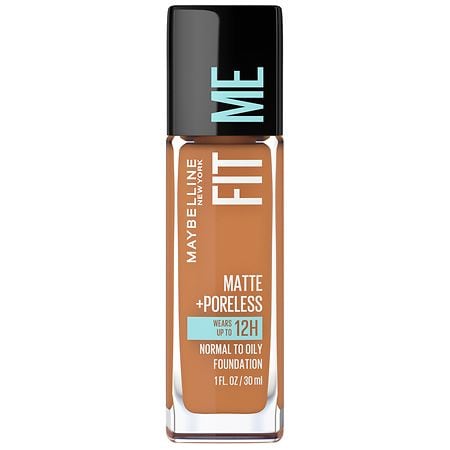


SEPHORA COLLECTION Best Skin Ever Liquid Foundation, Size: 0.84 FL Oz, 08 Y
Analysis updated August 2026 · How Scout scores
At a glance
Summary
This foundation contains beneficial ingredients like glycerin, sodium hyaluronate, and sunflower seed oil, which provide hydration and nourishment to the skin. However, the presence of alcohol, which can be drying and irritating, along with PEG compounds and acrylates copolymer, contributes to a moderate level of processing. These factors, combined with the processed nature of the product, influence its overall rating.
Key ingredients 32
Helianthus Annuus (Sunflower) Seed OilVery Good
Sunflower Seed Oil is a natural oil rich in fatty acids and vitamins. It helps to nourish and moisturize the skin. It is widely used in cosmetics and is considered safe and beneficial.
Risks
There are minimal risks associated with Sunflower Seed Oil.
Benefits
It provides nourishment and hydration to the skin, improving its overall health.
TocopherolVery Good
Tocopherol, also known as Vitamin E, is an antioxidant that helps to protect the skin from free radical damage. It is widely used in cosmetics for its skin conditioning properties. It is considered safe and beneficial for the skin.
Risks
There are minimal risks associated with Tocopherol.
Benefits
It provides antioxidant protection and helps to nourish and condition the skin.
Ascorbyl TetraisopalmitateVery Good
Ascorbyl Tetraisopalmitate is a stable form of Vitamin C used in cosmetics for its antioxidant properties. It helps to brighten the skin and reduce signs of aging. It is considered safe and effective for use in cosmetics.
Risks
There are minimal risks associated with Ascorbyl Tetraisopalmitate.
Benefits
It provides antioxidant protection and helps to brighten and even out skin tone.
SqualeneVery Good
Squalene is a natural emollient that helps to moisturize and protect the skin. It is similar to the skin's natural oils and is easily absorbed. It is widely used in cosmetics and is considered safe and beneficial.
Risks
There are minimal risks associated with Squalene.
Benefits
It provides deep hydration and helps to improve the skin's barrier function.
CI 77492 (Iron Oxides)Good
Beneficial ingredient — whole-food or functional value in this product class.
Risks
There are minimal risks associated with Iron Oxides.
Benefits
They provide natural-looking color and are stable in formulations.
GlycerinGood
Glycerin is a humectant that attracts moisture to the skin. It helps to hydrate and improve the skin's barrier function. It is widely used in cosmetics and is considered safe and effective.
Risks
There are minimal risks associated with glycerin.
Benefits
It provides excellent hydration and helps to maintain the skin's moisture balance.
CI 77491 (Iron Oxides)Good
Beneficial ingredient — whole-food or functional value in this product class.
Risks
There are minimal risks associated with Iron Oxides.
Benefits
They provide natural-looking color and are stable in formulations.
CI 77499 (Iron Oxides)Good
Beneficial ingredient — whole-food or functional value in this product class.
Risks
There are minimal risks associated with Iron Oxides.
Benefits
They provide natural-looking color and are stable in formulations.
Sodium HyaluronateGood
Sodium Hyaluronate is a form of hyaluronic acid that acts as a powerful humectant. It attracts and retains moisture in the skin, providing deep hydration. It is widely used in cosmetics and is considered safe and effective.
Risks
There are minimal risks associated with Sodium Hyaluronate.
Benefits
It provides excellent hydration and helps to plump and smooth the skin.
Maris Sal (Sea Salt)Good
Beneficial ingredient — whole-food or functional value in this product class.
Risks
There are minimal risks associated with Sea Salt.
Benefits
It provides gentle exfoliation and helps to improve skin texture.
Aqua (Water)Neutral
Aqua is commonly used as a solvent in cosmetic formulations. It helps to dissolve other ingredients and provides a base for the product. It is generally considered safe and non-irritating.
Risks
There are no significant risks associated with water in cosmetics.
Benefits
Water helps to hydrate the skin and improve the texture of the product.
CI 77891 (Titanium Dioxide)Neutral
Titanium Dioxide is used as a pigment and sunscreen agent in cosmetics. It provides opacity and UV protection. It is generally considered safe when used in non-nano form.
Risks
Inhalation of nano-sized particles can pose health risks, but this is not a concern in liquid formulations.
Benefits
Titanium Dioxide offers sun protection and helps to even out skin tone.
IsohexadecaneNeutral
Isohexadecane is a lightweight emollient that provides a silky feel and helps to spread the product evenly. It is commonly used in cosmetics for its non-greasy texture. It is considered safe for use in cosmetics.
Risks
There are minimal risks associated with Isohexadecane, though it may cause irritation in sensitive individuals.
Benefits
It enhances the texture and spreadability of the product without leaving a greasy residue.
PEG-10 DimethiconeNeutral
PEG-10 Dimethicone is a silicone-based polymer that acts as an emulsifier and conditioning agent. It helps to improve the texture and stability of the product. It is generally considered safe for use in cosmetics.
Risks
There is a potential risk of contamination with 1,4-dioxane, a byproduct of ethoxylation.
Benefits
It provides a smooth application and enhances the product's stability.
PropanediolNeutral
Propanediol is a glycol used as a solvent and humectant in cosmetics. It helps to improve the texture and moisture retention of the product. It is generally considered safe for use in cosmetics.
Risks
Propanediol can cause skin irritation in some individuals.
Benefits
It enhances skin hydration and improves the spreadability of the product.
AlcoholNeutral
Standard formulation ingredient — neither beneficial nor harmful at typical use.
Risks
Alcohol can strip the skin of its natural oils, leading to dryness and irritation.
Benefits
It provides a quick-drying finish and can enhance the penetration of other ingredients.
Dimethicone CrosspolymerNeutral
Dimethicone Crosspolymer is a silicone-based ingredient used to improve the texture and spreadability of cosmetics. It provides a silky, smooth feel and helps to fill in fine lines. It is generally considered safe for use in cosmetics.
Risks
Some individuals may experience skin irritation or breakouts from silicones.
Benefits
It enhances the texture and provides a smooth, even finish on the skin.
Magnesium SulfateNeutral
Magnesium Sulfate is used as a thickening agent and absorbent in cosmetics. It helps to improve the texture and stability of the product. It is generally considered safe for use in cosmetics.
Risks
There are minimal risks associated with Magnesium Sulfate.
Benefits
It enhances the texture and stability of the product.
Synthetic WaxNeutral
Synthetic Wax is used as a thickening agent and emollient in cosmetics. It helps to improve the texture and consistency of the product. It is generally considered safe for use in cosmetics.
Risks
There are minimal risks associated with Synthetic Wax.
Benefits
It provides a smooth texture and helps to stabilize the product.
HydroxyacetophenoneNeutral
Hydroxyacetophenone is used as an antioxidant and preservative in cosmetics. It helps to stabilize the product and prevent degradation. It is generally considered safe for use in cosmetics.
Risks
There are minimal risks associated with Hydroxyacetophenone.
Benefits
It helps to protect the product from oxidation and extends its shelf life.
Disodium Stearoyl GlutamateNeutral
Disodium Stearoyl Glutamate is used as an emulsifier in cosmetics. It helps to stabilize formulations and improve texture. It is generally considered safe for use in cosmetics.
Risks
There are minimal risks associated with Disodium Stearoyl Glutamate.
Benefits
It enhances the stability and texture of the product.
Disteardimonium HectoriteNeutral
Disteardimonium Hectorite is used as a thickening agent and stabilizer in cosmetics. It helps to improve the texture and consistency of the product. It is generally considered safe for use in cosmetics.
Risks
There are minimal risks associated with Disteardimonium Hectorite.
Benefits
It provides a smooth texture and helps to stabilize the product.
Caprylyl GlycolNeutral
Caprylyl Glycol is used as a skin conditioning agent and preservative in cosmetics. It helps to improve the texture and moisture retention of the product. It is generally considered safe for use in cosmetics.
Risks
There are minimal risks associated with Caprylyl Glycol.
Benefits
It enhances skin hydration and improves the product's shelf life.
Propylene CarbonateNeutral
Propylene Carbonate is used as a solvent and viscosity regulator in cosmetics. It helps to improve the texture and spreadability of the product. It is generally considered safe for use in cosmetics.
Risks
There are minimal risks associated with Propylene Carbonate.
Benefits
It enhances the texture and spreadability of the product.
Aluminum HydroxideNeutral
Aluminum Hydroxide is used as a colorant and opacifying agent in cosmetics. It helps to improve the texture and appearance of the product. It is generally considered safe for use in cosmetics.
Risks
There are minimal risks associated with Aluminum Hydroxide.
Benefits
It enhances the texture and appearance of the product.
Hydrolyzed AlginNeutral
Hydrolyzed Algin is used as a thickening agent and film former in cosmetics. It helps to improve the texture and stability of the product. It is generally considered safe for use in cosmetics.
Risks
There are minimal risks associated with Hydrolyzed Algin.
Benefits
It enhances the texture and stability of the product.
Phenethyl AlcoholNeutral
Phenethyl Alcohol is used as a fragrance and preservative in cosmetics. It helps to improve the scent and shelf life of the product. It is generally considered safe for use in cosmetics.
Risks
There are minimal risks associated with Phenethyl Alcohol.
Benefits
It enhances the fragrance and preservation of the product.
Sodium CarrageenanNeutral
Sodium Carrageenan is used as a thickening agent and stabilizer in cosmetics. It helps to improve the texture and consistency of the product. It is generally considered safe for use in cosmetics.
Risks
There are minimal risks associated with Sodium Carrageenan.
Benefits
It provides a smooth texture and helps to stabilize the product.
Glyceryl Stearate CitrateNeutral
Glyceryl Stearate Citrate is used as an emulsifier and conditioning agent in cosmetics. It helps to stabilize formulations and improve texture. It is generally considered safe for use in cosmetics.
Risks
There are minimal risks associated with Glyceryl Stearate Citrate.
Benefits
It enhances the stability and texture of the product.
Beta-SitosterolNeutral
Beta-Sitosterol is used as a skin conditioning agent in cosmetics. It helps to improve the texture and moisture retention of the product. It is generally considered safe for use in cosmetics.
Risks
There are minimal risks associated with Beta-Sitosterol.
Benefits
It enhances skin hydration and improves the texture of the product.
DimethiconeBad
Occlusive silicone film-former — flagged under clean-beauty doctrine.
Risks
Some individuals may experience skin irritation or breakouts from silicones.
Benefits
Dimethicone can help to fill in fine lines and create a smooth, even finish on the skin.
Acrylates CopolymerBad
Processed additive flagged under Scout's ingredient doctrine.
Risks
There are minimal risks associated with Acrylates Copolymer.
Benefits
It enhances the longevity and water resistance of the product.
Get the full breakdown in the Scout appTake Scout shopping
Scan any product to see lab results, healthy alternatives, and your personalized analysis.
Download on theApp Store GET IT ONGoogle PlayAmazon pricing & content
Amazon price as of . Product prices and availability are accurate as of the date/time indicated and are subject to change. Any price and availability information displayed on Amazon.com at the time of purchase will apply to the purchase of this product.
CERTAIN CONTENT THAT APPEARS ON THIS SITE COMES FROM AMAZON. THIS CONTENT IS PROVIDED “AS IS” AND IS SUBJECT TO CHANGE OR REMOVAL AT ANY TIME.