
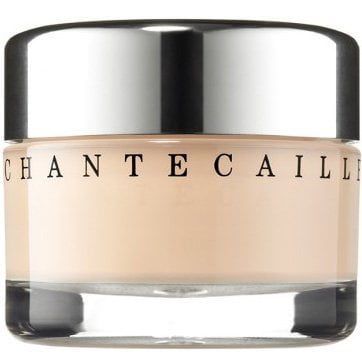



chantecaille Future Skin Oil Free gel Foundation Porcelain 1 Ounce
Analysis updated September 2026 · How Scout scores
At a glance
Summary
This foundation contains several beneficial ingredients such as glycerin, tea leaf extract, and mushroom extract, which provide hydration and antioxidant benefits. However, the presence of alcohol, which can be drying and irritating, along with PEG compounds, slightly lowers the overall safety profile. The product is moderately processed with a mix of natural and synthetic ingredients, resulting in a balanced score.
Key ingredients 35
Camellia Sinensis (Tea) Leaf ExtractVery Good
Tea Leaf Extract is rich in antioxidants and has anti-inflammatory properties. It helps to protect the skin from environmental damage and soothes irritation. It is considered very beneficial for skin health.
Risks
Rarely causes skin irritation.
Benefits
Provides antioxidant protection and soothes the skin.
Chamomilla Recutita (Matricaria) Flower ExtractVery Good
Chamomile Flower Extract is known for its soothing and anti-inflammatory properties. It helps to calm irritated skin and reduce redness. It is considered very beneficial for sensitive skin.
Risks
Rarely causes skin irritation.
Benefits
Soothes and calms sensitive skin effectively.
Aloe Barbadensis Leaf ExtractVery Good
Aloe Vera Extract is known for its soothing and hydrating properties. It helps to calm irritated skin and provide moisture. It is considered very beneficial for all skin types.
Risks
Rarely causes skin irritation.
Benefits
Soothes and hydrates the skin effectively.
MicaGood
Beneficial ingredient — whole-food or functional value in this product class.
Risks
Inhalation of mica particles can be a concern in loose powder forms.
Benefits
Adds a natural shimmer and glow to the skin.
GlycerinGood
Glycerin is a natural humectant that attracts moisture to the skin, keeping it hydrated. It is widely used in skincare for its moisturizing properties. It is considered very safe and beneficial for all skin types.
Risks
Rarely causes irritation or allergic reactions.
Benefits
Deeply hydrates the skin and improves skin barrier function.
Caprylic/Capric TriglycerideGood
Caprylic/Capric Triglyceride is an emollient derived from coconut oil and glycerin. It helps to moisturize and soften the skin. It is considered safe and beneficial for skin health.
Risks
Rarely causes skin irritation.
Benefits
Moisturizes and softens the skin effectively.
Inonotus Obliquus (Mushroom) ExtractGood
Mushroom Extract is known for its antioxidant and anti-inflammatory properties. It helps to soothe and protect the skin. It is considered beneficial for skin health.
Risks
Rarely causes skin irritation.
Benefits
Soothes and protects the skin with antioxidant benefits.
Laminaria Saccharina ExtractGood
Laminaria Saccharina Extract is derived from seaweed and is known for its moisturizing and soothing properties. It helps to hydrate and calm the skin. It is considered beneficial for skin health.
Risks
Rarely causes skin irritation.
Benefits
Hydrates and soothes the skin effectively.
Rosmarinus Officinalis (Rosemary) Leaf ExtractGood
Rosemary Leaf Extract is known for its antioxidant and antimicrobial properties. It helps to protect the skin from environmental damage and supports skin health. It is considered beneficial for skin care.
Risks
Rarely causes skin irritation.
Benefits
Provides antioxidant protection and supports skin health.
Oryza Sativa (Rice) Bran ExtractGood
Rice Bran Extract is rich in antioxidants and has moisturizing properties. It helps to protect the skin from environmental damage and improve hydration. It is considered beneficial for skin health.
Risks
Rarely causes skin irritation.
Benefits
Provides antioxidant protection and improves skin hydration.
Iron Oxides (CI 77491/CI 77492/CI 77499)Good
Beneficial ingredient — whole-food or functional value in this product class.
Benefits
Provide stable and non-toxic color to cosmetics.
Aqua/Water/EauNeutral
Water is a common solvent used in cosmetics to dissolve other ingredients. It helps in the application and absorption of the product. It does not have any direct benefits or risks.
Benefits
Provides a base for the formulation and helps in hydration.
Methyl TrimethiconeNeutral
Methyl Trimethicone is a silicone used to improve the texture and spreadability of products. It provides a smooth application and a lightweight feel. It is generally considered safe for use in cosmetics.
Risks
May cause build-up on the skin with prolonged use.
Benefits
Improves product texture and provides a silky feel.
Butylene GlycolNeutral
Butylene Glycol is a humectant that helps retain moisture in the skin. It also improves the spreadability of products. It is considered safe for use in cosmetics.
Risks
May cause irritation in sensitive skin types.
Benefits
Helps maintain skin hydration and improves product texture.
Pentylene GlycolNeutral
Pentylene Glycol is a synthetic humectant and solvent used to improve skin moisture levels. It also has antimicrobial properties. It is generally considered safe for use in cosmetics.
Risks
Potential for skin irritation in sensitive individuals.
Benefits
Enhances skin hydration and provides antimicrobial benefits.
Sodium ChlorideNeutral
Sodium Chloride, or table salt, is used as a thickening agent in cosmetics. It helps to improve the texture and consistency of products. It is generally considered safe for use in cosmetics.
Risks
Excessive use can lead to skin dryness.
Benefits
Improves product texture and consistency.
SilicaNeutral
Silica is used in cosmetics to improve texture and absorb excess oil. It provides a matte finish and smooth application. It is considered safe for use in cosmetics.
Risks
Inhalation of silica particles can be a concern in loose powder forms.
Benefits
Provides a matte finish and improves product texture.
Aluminum HydroxideNeutral
Aluminum Hydroxide is used as a thickening agent and to improve product stability. It is commonly used in cosmetics and is considered safe. It helps to maintain the consistency of the product.
Risks
Concerns about aluminum compounds are generally related to deodorants, not cosmetics.
Benefits
Stabilizes product formulation and improves texture.
Glycosyl TrehaloseNeutral
Glycosyl Trehalose is a sugar-based ingredient used for its moisturizing properties. It helps to retain moisture in the skin. It is considered safe for use in cosmetics.
Benefits
Helps to maintain skin hydration.
Hydrogenated Starch HydrolysateNeutral
Hydrogenated Starch Hydrolysate is a sugar alcohol used as a humectant and moisturizer. It helps to keep the skin hydrated. It is considered safe for use in cosmetics.
Risks
May cause mild irritation in sensitive individuals.
Benefits
Provides moisture and hydration to the skin.
Isostearic AcidNeutral
Isostearic Acid is a fatty acid used as an emulsifier and thickening agent. It helps to stabilize formulations and improve texture. It is considered safe for use in cosmetics.
Benefits
Stabilizes formulations and improves product texture.
EthylhexylglycerinNeutral
Ethylhexylglycerin is used as a preservative and skin conditioning agent. It enhances the efficacy of other preservatives. It is considered safe for use in cosmetics.
Risks
May cause mild irritation in sensitive skin types.
Benefits
Improves skin conditioning and enhances preservative efficacy.
Hydrogen DimethiconeNeutral
Hydrogen Dimethicone is a silicone used to improve the texture and spreadability of products. It provides a smooth application and a lightweight feel. It is generally considered safe for use in cosmetics.
Risks
May cause build-up on the skin with prolonged use.
Benefits
Improves product texture and provides a silky feel.
Pistacia Lentiscus (Mastic) GumNeutral
Mastic Gum is a natural resin used for its film-forming properties. It helps to improve the texture and longevity of cosmetics. It is considered safe for use in cosmetics.
Benefits
Improves product texture and longevity.
Spirodela Polyrhiza ExtractNeutral
Spirodela Polyrhiza Extract is a plant extract used for its potential antioxidant properties. It helps to protect the skin from environmental damage. It is considered safe for use in cosmetics.
Benefits
Provides antioxidant protection to the skin.
AlcoholNeutral
Standard formulation ingredient — neither beneficial nor harmful at typical use.
Risks
Can cause skin dryness and irritation.
Benefits
Acts as a solvent and helps in product preservation.
Glyceryl Caprylate/CaprateNeutral
Glyceryl Caprylate/Caprate is an emollient and skin conditioning agent. It helps to moisturize and soften the skin. It is considered safe for use in cosmetics.
Benefits
Moisturizes and conditions the skin effectively.
Arnica Montana (Arnica) Flower ExtractNeutral
Arnica Flower Extract is used for its anti-inflammatory and soothing properties. It helps to calm irritated skin and reduce redness. It is considered safe for use in cosmetics.
Risks
May cause irritation in sensitive skin types.
Benefits
Soothes and calms irritated skin.
Zinc SulfateNeutral
Zinc Sulfate is used for its astringent and antimicrobial properties. It helps to control oil and reduce acne. It is considered safe for use in cosmetics.
Risks
May cause irritation in sensitive skin types.
Benefits
Controls oil and reduces acne effectively.
Natto GumNeutral
Natto Gum is used for its moisturizing and film-forming properties. It helps to retain moisture in the skin. It is considered safe for use in cosmetics.
Benefits
Helps to maintain skin hydration.
Pyridoxine HclNeutral
Pyridoxine Hcl, or Vitamin B6, is used for its skin conditioning properties. It helps to improve skin health and appearance. It is considered safe for use in cosmetics.
Benefits
Improves skin health and appearance.
Titanium Dioxide (Cl 77891)Neutral
Titanium Dioxide is used as a pigment and UV filter in cosmetics. It provides coverage and sun protection. It is considered safe for use in cosmetics.
Risks
Inhalation of fine particles can be a concern in loose powder forms.
Benefits
Provides coverage and sun protection.
DimethiconeBad
Occlusive silicone film-former — flagged under clean-beauty doctrine.
Risks
Can cause skin irritation in sensitive individuals.
Benefits
Improves skin texture and provides a protective barrier.
LecithinBad
Processed additive flagged under Scout's ingredient doctrine.
Risks
Rarely causes skin irritation.
Benefits
Moisturizes and softens the skin effectively.
PhenoxyethanolBad
Processed additive flagged under Scout's ingredient doctrine.
Risks
May cause irritation in sensitive skin types.
Benefits
Prevents microbial growth and extends product shelf life.
Get the full breakdown in the Scout appTake Scout shopping
Scan any product to see lab results, healthy alternatives, and your personalized analysis.
Download on theApp Store GET IT ONGoogle Play