

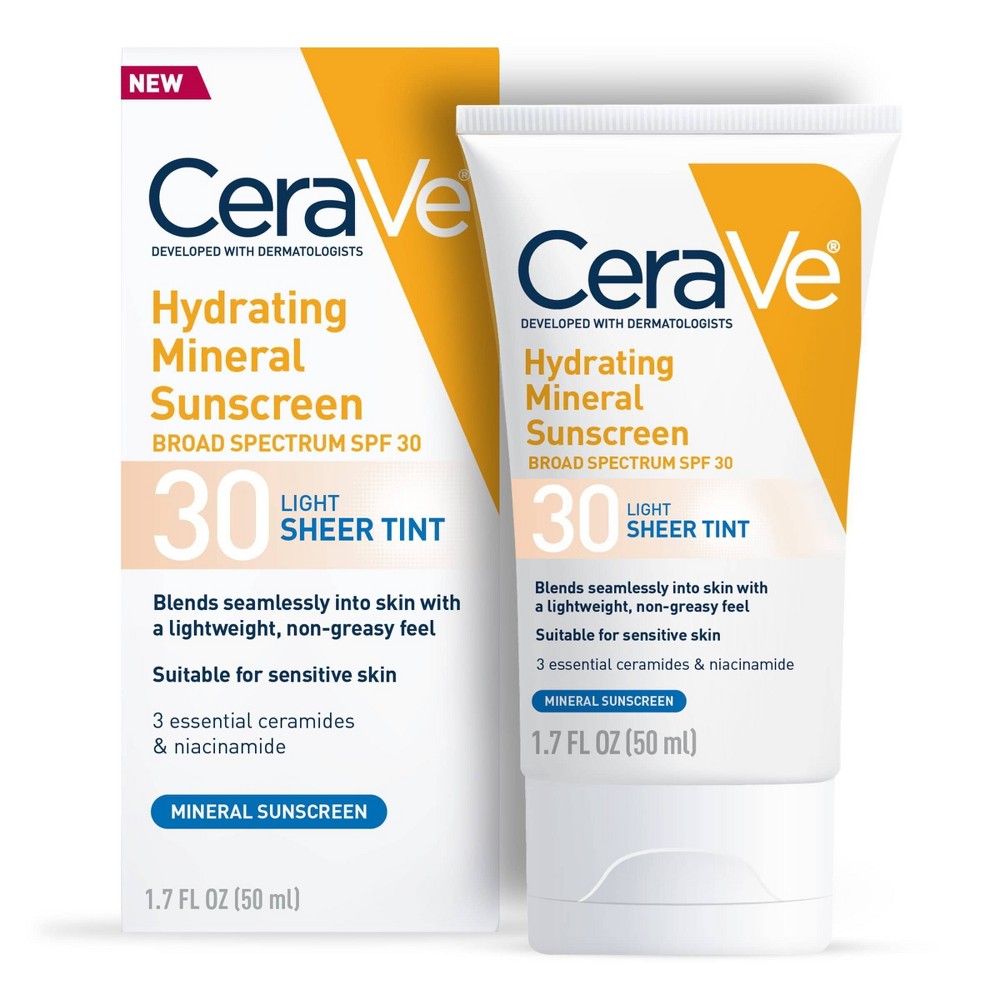

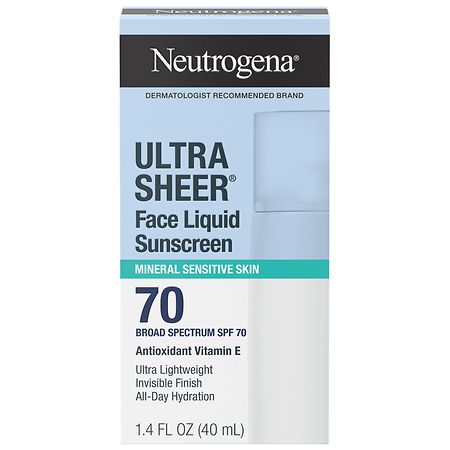
Bioderma Photoderm Max SPF 50+ Tinted Ultra-Fluid 40ml - Colour: Golden Colour
Summary
This sunscreen contains a mix of synthetic and natural ingredients, including some chemical UV filters like octocrylene and butyl methoxydibenzoylmethane, which are commonly used but can be concerning for sensitive skin. The presence of beneficial botanical extracts such as ginkgo biloba and tocopheryl acetate is positive, but the inclusion of synthetic preservatives like phenoxyethanol and chlorphenesin affects its overall ingredient safety. The product is moderately processed, which impacts its score.
At a glance
Key ingredients 8
Octocrylene
Octocrylene is a chemical sunscreen agent that absorbs UVB and short UVA rays. It helps stabilize other sunscreen agents like avobenzone. It is commonly used in sunscreens for its effectiveness.
Risks
There are concerns about its potential to cause skin irritation and its environmental impact on coral reefs.
Benefits
It provides effective protection against UV radiation, reducing the risk of sunburn and skin damage.
Butyl Methoxydibenzoylmethane
Also known as Avobenzone, it is a chemical sunscreen agent that provides broad-spectrum protection against UVA rays. It is often used in combination with other sunscreen agents for comprehensive protection. It is a key ingredient in many sunscreens due to its effectiveness.
Risks
It can degrade in sunlight, reducing its effectiveness unless stabilized by other ingredients.
Benefits
It offers strong protection against UVA rays, which are responsible for skin aging and cancer.
Bis-Ethylhexyloxyphenol Methoxyphenyl Triazine
This is a broad-spectrum sunscreen agent that provides protection against both UVA and UVB rays. It is photostable and does not degrade in sunlight. It is often used in combination with other sunscreen agents to enhance protection.
Risks
There are minimal risks associated with this ingredient, though some individuals may experience skin sensitivity.
Benefits
It offers long-lasting sun protection and helps prevent skin damage from UV exposure.
Ginkgo Biloba Leaf Extract
Ginkgo Biloba Leaf Extract is a botanical ingredient known for its antioxidant properties. It helps protect the skin from oxidative stress and environmental damage. It is often used in skincare products for its soothing and anti-inflammatory effects.
Risks
There is a low risk of allergic reactions or skin irritation in sensitive individuals.
Benefits
It provides antioxidant protection and can improve skin health by reducing inflammation.
Tocopheryl Acetate
Tocopheryl Acetate is a form of Vitamin E, a powerful antioxidant that helps protect the skin from free radical damage. It is commonly used in skincare products for its moisturizing and skin-conditioning properties. It is considered a beneficial ingredient for maintaining healthy skin.
Risks
There is a low risk of skin irritation or allergic reactions in some individuals.
Benefits
It helps improve skin texture and provides antioxidant protection, supporting overall skin health.
Phenoxyethanol
Phenoxyethanol is a preservative used in cosmetics to prevent the growth of bacteria and mold. It is a common alternative to parabens. It is effective in low concentrations and helps extend the shelf life of products.
Risks
There are concerns about skin irritation and potential toxicity with prolonged exposure.
Benefits
It helps maintain product integrity by preventing microbial contamination.
Chlorphenesin
Chlorphenesin is a preservative used to prevent the growth of bacteria and fungi in cosmetic products. It is often used in combination with other preservatives to enhance efficacy. It is effective in maintaining product safety.
Risks
There is a potential for skin irritation and allergic reactions in sensitive individuals.
Benefits
It helps ensure the safety and longevity of cosmetic products by preventing microbial growth.
Titanium Dioxide (Ci 77891)
Titanium Dioxide is a mineral sunscreen agent that provides broad-spectrum protection against UVB and UVA rays. It is often used in physical sunscreens for its effectiveness and safety profile. It is considered a safe and effective ingredient for sun protection.
Risks
There is minimal risk associated with its use, though it can leave a white cast on the skin.
Benefits
It offers strong sun protection and is less likely to cause skin irritation compared to chemical sunscreens.
Processing
Processed Foods
Get the full breakdown in the Scout app
Scan any product to see lab results, healthy alternatives, and your personalized analysis.
Download on theApp Store