
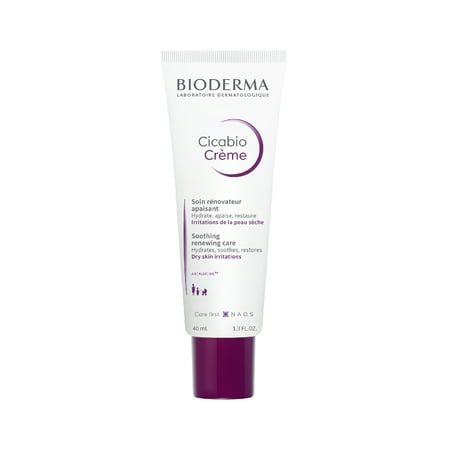
Bioderma - Cicabio - Cream - Soothing and Renewing Cream - Hydrates, Restores and Soothes the Skin - For Dry Skin Irritations

83 Good
View on Amazon

Summary

This soothing cream contains safe and beneficial ingredients such as glycerin, zinc oxide, and hyaluronic acid, which are known for their hydrating and skin-restoring properties. The product avoids harsh chemicals and synthetic fragrances, resulting in a clean label with minimal processing. The inclusion of natural and skin-friendly components contributes to its high rating.

At a glance

Beneficial ingredients 0
Harmful ingredients 0
Category Skin Lightener

Key ingredients 7

Aqua

Aqua, or water, is a common solvent used in cosmetics to dissolve other ingredients. It helps in the application and absorption of the product. It is generally considered safe and non-irritating.

Risks

There are no significant risks associated with water in cosmetics.

Benefits

Water helps to hydrate the skin and acts as a carrier for other beneficial ingredients.

See more about Aqua →
Glycerin

Glycerin is a humectant that attracts moisture to the skin, helping to keep it hydrated. It is widely used in skincare products for its moisturizing properties. It is generally well-tolerated and non-irritating.

Risks

There are minimal risks associated with glycerin, though it may cause irritation in very sensitive individuals.

Benefits

Glycerin helps to maintain skin hydration and improve skin barrier function.

See more about Glycerin →
Ethylhexyl Palmitate

Ethylhexyl Palmitate is an emollient that helps to soften and smooth the skin. It is derived from palm oil and is used to improve the texture of cosmetic formulations. It is generally considered safe for use in cosmetics.

Risks

There is a low risk of skin irritation, particularly in individuals with sensitive skin.

Benefits

It provides a silky feel to the skin and helps to improve the spreadability of the product.

See more about Ethylhexyl Palmitate →
Fructooligosaccharides

Fructooligosaccharides are prebiotics that can help support the skin's natural microbiome. They are derived from plants and are used to enhance skin health. They are generally considered safe and beneficial in skincare.

Risks

There are no significant risks associated with fructooligosaccharides in cosmetics.

Benefits

They help to maintain a healthy skin barrier and support beneficial skin bacteria.

See more about Fructooligosaccharides →
Zinc Oxide

Zinc Oxide is a mineral used in creams for its soothing and protective properties. It acts as a physical barrier on the skin, providing protection against irritants. It is considered safe and effective in skincare products.

Risks

There are minimal risks, though it may cause dryness in some individuals.

Benefits

Zinc Oxide helps to soothe irritated skin and provides a protective barrier.

See more about Zinc Oxide →
Vitamin E

Vitamin E is an antioxidant that helps to protect the skin from damage caused by free radicals. It is commonly used in skincare for its moisturizing and healing properties. It is generally well-tolerated and beneficial for skin health.

Risks

There is a low risk of allergic reactions in sensitive individuals.

Benefits

Vitamin E helps to nourish and protect the skin, promoting a healthy complexion.

See more about Vitamin E →
Hyaluronic Acid

Hyaluronic Acid is a powerful humectant that can hold up to 1000 times its weight in water, making it highly effective for skin hydration. It is widely used in skincare for its ability to plump and moisturize the skin. It is considered very safe and beneficial.

Risks

There are minimal risks, though it may cause irritation in very sensitive skin.

Benefits

Hyaluronic Acid helps to maintain skin moisture and improve skin elasticity.

See more about Hyaluronic Acid →

Processing

Group 2 · Culinary ingredients

Processed Culinary Ingredients

Get the full breakdown in the Scout app

Scan any product to see lab results, healthy alternatives, and your personalized analysis.

Download on theApp Store