
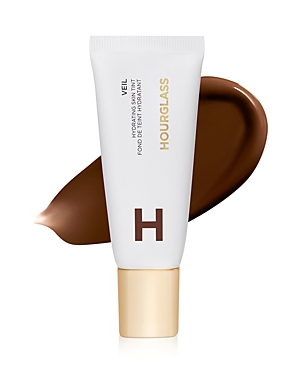

Hourglass Veil Hydrating Skin Tint
Analysis updated August 2026 · How Scout scores
At a glance
Summary
This product features a clean and minimal ingredient list with beneficial components such as meadowfoam seed oil, hyaluronic acid, and plant-based squalane, all known for their moisturizing and skin-replenishing properties. The absence of synthetic chemicals, harsh surfactants, or potential irritants contributes to its high rating, making it a safe and effective choice for skincare.
Key ingredients 8
Limnanthes Alba (Meadowfoam) Seed OilVery Good
Meadowfoam seed oil is a nourishing plant oil known for its moisturizing properties and skin-softening effects.
See more about Limnanthes Alba (Meadowfoam) Seed Oil →Plant-Based SqualaneVery Good
Squalane is a lightweight, plant-derived oil that helps to moisturize and protect the skin barrier.
See more about Plant-Based Squalane →Hyaluronic AcidGood
Hyaluronic Acid is renowned for its ability to attract and retain moisture, promoting hydrated and plump skin.
See more about Hyaluronic Acid →GlycerinGood
Glycerin is a powerful humectant that draws moisture into the skin, enhancing hydration and softness.
See more about Glycerin →WaterNeutral
Water is a common base in skincare products, helping to hydrate the skin without adding any specific benefits or risks.
See more about Water →AquaNeutral
Aqua is simply another term for water, serving as a neutral, hydrating component in the formulation.
See more about Aqua →Caprylic/Capric TriglycerideNeutral
This ingredient acts as an emollient to help smooth the skin, with no significant positive or negative effects.
See more about Caprylic/Capric Triglyceride →PropanediolNeutral
Propanediol is used as a humectant and solvent, helping to keep the product stable without adding benefits or risks.
See more about Propanediol →Processing
Unprocessed or Minimally Processed Foods
Get the full breakdown in the Scout appTake Scout shopping
Scan any product to see lab results, healthy alternatives, and your personalized analysis.
Download on theApp Store GET IT ONGoogle PlayAmazon pricing & content
Amazon price as of . Product prices and availability are accurate as of the date/time indicated and are subject to change. Any price and availability information displayed on Amazon.com at the time of purchase will apply to the purchase of this product.
CERTAIN CONTENT THAT APPEARS ON THIS SITE COMES FROM AMAZON. THIS CONTENT IS PROVIDED “AS IS” AND IS SUBJECT TO CHANGE OR REMOVAL AT ANY TIME.