
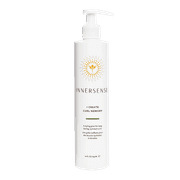
INNERSENSE Organic Beauty - I Create Curl Memory Gel | Non-Toxic Cruelty-Free Haircare (10 oz | 295 ml)
Analysis updated August 2026 · How Scout scores
At a glance
Summary
This product features a variety of beneficial natural extracts such as aloe vera, chamomile, and bamboo, which contribute to its hydrating and soothing properties. The formulation is largely composed of safe and effective ingredients, with minimal synthetic additives. However, the presence of limonene, a potential skin irritant, slightly detracts from its overall safety profile, though it is used in low concentrations.
Key ingredients 25
Aloe Barbadensis Leaf JuiceVery Good
Aloe Vera is known for its soothing and hydrating properties, making it a popular ingredient in skincare. It helps to calm irritated skin and provides moisture. It is generally safe and beneficial for most skin types.
Risks
Aloe Vera may cause allergic reactions in rare cases.
Benefits
It provides soothing relief for irritated skin and enhances hydration, making it ideal for sensitive skin.
Chamomilla Recutita (Matricaria) Flower ExtractVery Good
Chamomile extract is known for its soothing and anti-inflammatory properties, making it ideal for sensitive skin. It helps to calm irritation and reduce redness. It is generally considered safe and beneficial.
Risks
Chamomile extract may cause allergic reactions in individuals sensitive to the Asteraceae family.
Benefits
It provides soothing relief for irritated skin and helps to reduce redness, making it beneficial for sensitive skin.
Honey ExtractVery Good
Honey extract is a natural humectant and has antimicrobial properties, making it beneficial for skin hydration and protection. It helps to soothe and moisturize the skin. It is generally considered safe and beneficial.
Risks
Honey extract may cause allergic reactions in individuals sensitive to bee products.
Benefits
It provides hydration and antimicrobial protection, making it ideal for moisturizing and soothing products.
GlycerinGood
Glycerin is a humectant that attracts moisture to the skin, making it an excellent hydrating agent. It is widely used in skincare for its ability to improve skin barrier function. It is considered safe and beneficial for most skin types.
Risks
There are minimal risks associated with glycerin, though it may cause stickiness in high concentrations.
Benefits
Glycerin helps to maintain skin hydration and improve skin texture, making it a valuable ingredient in moisturizing products.
Oryza Sativa (Rice) ExtractGood
Rice extract is rich in antioxidants and is used for its skin-conditioning properties. It helps to improve skin texture and provides a protective barrier. It is generally considered safe and beneficial.
Risks
There are minimal risks associated with rice extract, though it may cause mild irritation in sensitive individuals.
Benefits
Rice extract helps to improve skin texture and provides antioxidant protection, enhancing overall skin health.
Phyllostachys Bambusoides (Bamboo) ExtractGood
Bamboo extract is rich in silica, which helps to strengthen hair and improve skin elasticity. It is used for its conditioning and anti-inflammatory properties. It is generally considered safe and beneficial.
Risks
There are minimal risks associated with bamboo extract, though it may cause mild irritation in sensitive individuals.
Benefits
Bamboo extract helps to strengthen hair and improve skin elasticity, providing conditioning benefits.
Aspalathus Linearis Leaf ExtractGood
Also known as Rooibos, this extract is rich in antioxidants and has anti-inflammatory properties. It helps to protect the skin from environmental stressors. It is generally considered safe and beneficial.
Risks
There are minimal risks associated with Rooibos extract, though it may cause mild irritation in sensitive individuals.
Benefits
Rooibos extract provides antioxidant protection and helps to soothe the skin, enhancing overall skin health.
Ginkgo Biloba Leaf ExtractGood
Ginkgo Biloba extract is rich in antioxidants and is used for its anti-aging properties. It helps to protect the skin from oxidative stress. It is generally considered safe and beneficial.
Risks
There are minimal risks associated with Ginkgo Biloba extract, though it may cause mild irritation in sensitive individuals.
Benefits
Ginkgo Biloba extract provides antioxidant protection and helps to reduce signs of aging, enhancing skin health.
Hydroxypropyltrimonium HoneyGood
This is a modified form of honey that enhances its conditioning properties for hair and skin. It helps to improve moisture retention and provides a smooth texture. It is generally considered safe and beneficial.
Risks
There are minimal risks associated with Hydroxypropyltrimonium Honey, though it may cause mild irritation in sensitive individuals.
Benefits
It enhances moisture retention and provides conditioning benefits, improving hair and skin texture.
Caprylic/Capric TriglycerideGood
This ingredient is an emollient derived from coconut oil and glycerin, used to improve skin hydration and texture. It provides a lightweight, non-greasy feel. It is generally considered safe and beneficial.
Risks
There are minimal risks associated with Caprylic/Capric Triglyceride, though it may cause mild irritation in sensitive individuals.
Benefits
It enhances skin hydration and provides a smooth, non-greasy feel, improving product application.
Leuconostoc/Radish Root Ferment FiltrateGood
This ferment filtrate is used as a natural preservative and skin conditioning agent. It helps to inhibit microbial growth and improve skin feel. It is generally considered safe and beneficial.
Risks
There are minimal risks associated with this ferment filtrate, though it may cause mild irritation in sensitive individuals.
Benefits
It provides natural preservation and enhances skin feel, improving product safety and performance.
Water/Aqua/EauNeutral
Water is a universal solvent and is used as a base in many cosmetic formulations. It helps to dissolve other ingredients and provides hydration. It is generally considered safe and non-irritating.
Risks
There are no significant risks associated with water in cosmetic formulations.
Benefits
Water helps to hydrate the skin and hair, making it a beneficial component in moisturizing products.
SucroseNeutral
Sucrose is a sugar used in cosmetics for its humectant properties, helping to retain moisture. It can also act as a natural exfoliant. It is generally considered safe for topical use.
Risks
There are minimal risks associated with sucrose, though it may cause mild irritation in sensitive individuals.
Benefits
Sucrose helps to maintain moisture levels in the skin and can provide gentle exfoliation.
Xanthan GumNeutral
Xanthan Gum is a polysaccharide used as a thickening agent in cosmetics. It helps to stabilize emulsions and improve texture. It is generally considered safe and non-irritating.
Risks
Xanthan Gum may cause mild irritation in very sensitive skin types.
Benefits
It enhances the texture and stability of cosmetic formulations, improving user experience.
Eucalyptus Globulus Leaf ExtractNeutral
Eucalyptus extract is used for its antimicrobial and anti-inflammatory properties. It helps to cleanse and refresh the skin. It is generally considered safe in low concentrations.
Risks
Eucalyptus extract may cause irritation or allergic reactions in sensitive individuals.
Benefits
It provides antimicrobial benefits and helps to refresh the skin, making it useful in cleansing products.
PropanediolNeutral
Propanediol is a glycol used as a solvent and humectant in cosmetics. It helps to improve texture and moisture retention. It is generally considered safe and non-irritating.
Risks
Propanediol may cause mild irritation in sensitive skin types.
Benefits
It enhances product texture and helps to retain moisture, improving overall formulation performance.
Capryloyl Glycerin/Sebacic Acid CopolymerNeutral
This copolymer is used as a film-forming agent and emollient in cosmetics. It helps to improve texture and provide a smooth finish. It is generally considered safe and non-irritating.
Risks
There are minimal risks associated with this copolymer, though it may cause mild irritation in sensitive individuals.
Benefits
It provides a smooth finish and enhances texture, improving the overall feel of the product.
Diheptyl SuccinateNeutral
Diheptyl Succinate is used as an emollient and texture enhancer in cosmetics. It helps to improve spreadability and provide a lightweight feel. It is generally considered safe and non-irritating.
Risks
There are minimal risks associated with Diheptyl Succinate, though it may cause mild irritation in sensitive individuals.
Benefits
It enhances spreadability and provides a lightweight feel, improving product application.
Sodium LevulinateNeutral
Sodium Levulinate is used as a preservative and skin conditioning agent in cosmetics. It helps to maintain product stability and improve skin feel. It is generally considered safe and non-irritating.
Risks
There are minimal risks associated with Sodium Levulinate, though it may cause mild irritation in sensitive individuals.
Benefits
It helps to preserve the product and improve skin feel, enhancing overall formulation performance.
Citric AcidNeutral
Citric Acid is used to adjust pH levels in cosmetics and has mild exfoliating properties. It helps to maintain product stability and improve skin texture. It is generally considered safe in low concentrations.
Risks
Citric Acid may cause irritation or sensitivity in individuals with sensitive skin.
Benefits
It helps to maintain pH balance and provides mild exfoliation, improving skin texture.
Citrus Aurantium Dulcis (Orange) Peel Oil ExpressedNeutral
Orange peel oil is used for its fragrance and potential antioxidant properties. It helps to provide a refreshing scent and may offer some skin benefits. It is generally considered safe in low concentrations.
Risks
Orange peel oil may cause photosensitivity or irritation in sensitive individuals.
Benefits
It provides a refreshing scent and may offer antioxidant benefits, enhancing product appeal.
Sodium GluconateNeutral
Sodium Gluconate is used as a chelating agent in cosmetics to improve stability and efficacy. It helps to prevent discoloration and degradation. It is generally considered safe and non-irritating.
Risks
There are minimal risks associated with Sodium Gluconate, though it may cause mild irritation in sensitive individuals.
Benefits
It helps to stabilize the product and prevent degradation, ensuring product quality and longevity.
Potassium SorbateBad
Synthetic preservative — flagged in daily-use products.
Risks
Potassium Sorbate may cause mild irritation or allergic reactions in sensitive individuals.
Benefits
It helps to preserve the product and prevent microbial contamination, ensuring safety and longevity.
Sorbic AcidBad
Processed additive flagged under Scout's ingredient doctrine.
Risks
Sorbic Acid may cause mild irritation or allergic reactions in sensitive individuals.
Benefits
It helps to preserve the product and prevent microbial contamination, ensuring safety and longevity.
LimoneneBad
Limonene is a fragrance component that can cause skin irritation and sensitization, especially when oxidized. It is used for its citrus scent but poses a risk of allergic reactions. It is generally considered safe in low concentrations but can be problematic for sensitive skin.
Risks
Limonene can cause skin irritation and allergic reactions, particularly in sensitive individuals.
Benefits
It provides a pleasant citrus scent, enhancing the sensory experience of the product.
Get the full breakdown in the Scout appTake Scout shopping
Scan any product to see lab results, healthy alternatives, and your personalized analysis.
Download on theApp Store GET IT ONGoogle PlayAmazon pricing & content
Amazon price as of . Product prices and availability are accurate as of the date/time indicated and are subject to change. Any price and availability information displayed on Amazon.com at the time of purchase will apply to the purchase of this product.
CERTAIN CONTENT THAT APPEARS ON THIS SITE COMES FROM AMAZON. THIS CONTENT IS PROVIDED “AS IS” AND IS SUBJECT TO CHANGE OR REMOVAL AT ANY TIME.