
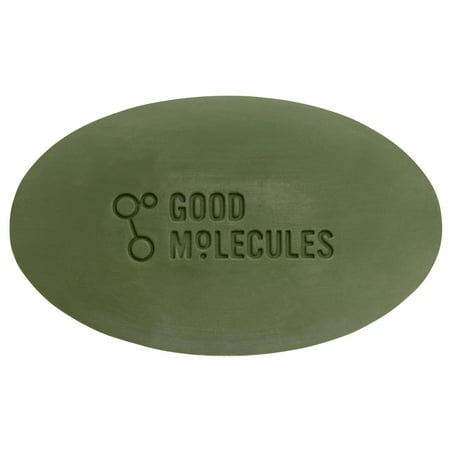


Good Molecules Brightening & Dark Spots Bar - 3 oz
Analysis updated August 2026 · How Scout scores
At a glance
Summary
This product contains beneficial ingredients such as glycerin, tranexamic acid, kojic acid, olive oil, grape seed oil, and niacinamide, which are known for their moisturizing, brightening, and skin-nourishing properties. However, the presence of hydrogenated vegetable oil and the processed nature of the product slightly reduce its overall score. Despite this, the formulation is largely composed of safe and effective ingredients, making it a good choice for skincare.
Key ingredients 13
Olea Europaea (Olive) Fruit OilVery Good
Olive oil is a natural emollient rich in antioxidants and fatty acids. It nourishes and moisturizes the skin, improving its texture and elasticity. It is suitable for dry and sensitive skin types.
Risks
It may clog pores in acne-prone skin if used excessively.
Benefits
It provides deep nourishment and protects against environmental damage.
Vitis Vinifera (Grape) Seed OilVery Good
Grape seed oil is a lightweight oil rich in antioxidants and linoleic acid. It helps to moisturize and protect the skin without leaving a greasy residue. It is suitable for all skin types, including oily and acne-prone skin.
Risks
There are minimal risks associated with grape seed oil.
Benefits
It provides antioxidant protection and improves skin hydration.
GlycerinGood
Glycerin is a humectant that attracts moisture to the skin, helping to keep it hydrated. It is widely used in skincare for its moisturizing properties. It is suitable for all skin types and enhances skin barrier function.
Risks
There are no significant risks associated with glycerin.
Benefits
It provides deep hydration and improves skin smoothness.
Tranexamic AcidGood
Tranexamic acid is known for its ability to reduce hyperpigmentation and dark spots. It works by inhibiting melanin synthesis, making it effective for brightening the skin. It is generally well-tolerated and suitable for sensitive skin.
Risks
In rare cases, it may cause mild irritation or redness.
Benefits
It helps to even out skin tone and reduce discoloration.
Kojic AcidGood
Kojic acid is a natural skin lightener that inhibits melanin production. It is effective in treating dark spots and hyperpigmentation. It is derived from fungi and is considered safe for topical use.
Risks
Prolonged use may lead to skin sensitivity or irritation.
Benefits
It brightens the skin and reduces the appearance of dark spots.
NiacinamideGood
Niacinamide is a form of vitamin B3 that offers multiple skin benefits. It helps to improve skin texture, reduce redness, and enhance barrier function. It is suitable for all skin types and is well-tolerated.
Risks
There are no significant risks associated with niacinamide.
Benefits
It improves skin tone, reduces inflammation, and strengthens the skin barrier.
Hydrogenated Vegetable OilNeutral
Hydrogenated vegetable oil is used as an emollient to provide moisture and improve texture. It is generally considered safe for topical use. However, it may not offer significant skin benefits beyond basic moisturization.
Risks
There is a potential risk of clogging pores in acne-prone skin.
Benefits
It helps to soften and smooth the skin surface.
Sodium Cocoyl IsethionateNeutral
Sodium Cocoyl Isethionate is a mild surfactant derived from coconut oil. It is used to create a creamy lather and cleanse the skin without stripping natural oils. It is generally well-tolerated by most skin types.
Risks
In rare cases, it may cause mild irritation in sensitive individuals.
Benefits
It effectively cleanses the skin while maintaining moisture balance.
Aqua/Water/EauNeutral
Water is a common solvent used in cosmetic formulations. It acts as a base for dissolving other ingredients. It is essential for the formulation but does not provide direct skin benefits.
Risks
There are no significant risks associated with water in cosmetics.
Benefits
It helps to dissolve and distribute other active ingredients evenly.
Polyglyceryl-4 LaurateNeutral
Polyglyceryl-4 Laurate is an emulsifier that helps to blend oil and water components. It is derived from natural sources and is considered safe for use in cosmetics. It does not provide direct skin benefits but aids in product stability.
Risks
There are minimal risks associated with this ingredient.
Benefits
It enhances the texture and consistency of the product.
Sodium ChlorideNeutral
Sodium chloride, or salt, is used as a thickening agent in cosmetics. It helps to improve the texture and consistency of the product. It does not provide direct skin benefits.
Risks
Excessive use may lead to dryness or irritation in sensitive skin.
Benefits
It enhances the product's texture and stability.
Chlorophyllin-Copper Complex (CI 75810)Neutral
Chlorophyllin-copper complex is used for its colorant properties in cosmetics. It may also provide some antioxidant benefits. It is generally considered safe for topical use.
Risks
There are minimal risks associated with this ingredient.
Benefits
It provides a natural green color and may offer antioxidant protection.
MaltodextrinNeutral
Maltodextrin is used as a binding and stabilizing agent in cosmetics. It helps to improve the texture and consistency of the product. It does not provide direct skin benefits.
Risks
There are minimal risks associated with maltodextrin.
Benefits
It enhances the product's texture and stability.
Get the full breakdown in the Scout appTake Scout shopping
Scan any product to see lab results, healthy alternatives, and your personalized analysis.
Download on theApp Store GET IT ONGoogle PlayAmazon pricing & content
Amazon price as of . Product prices and availability are accurate as of the date/time indicated and are subject to change. Any price and availability information displayed on Amazon.com at the time of purchase will apply to the purchase of this product.
CERTAIN CONTENT THAT APPEARS ON THIS SITE COMES FROM AMAZON. THIS CONTENT IS PROVIDED “AS IS” AND IS SUBJECT TO CHANGE OR REMOVAL AT ANY TIME.