

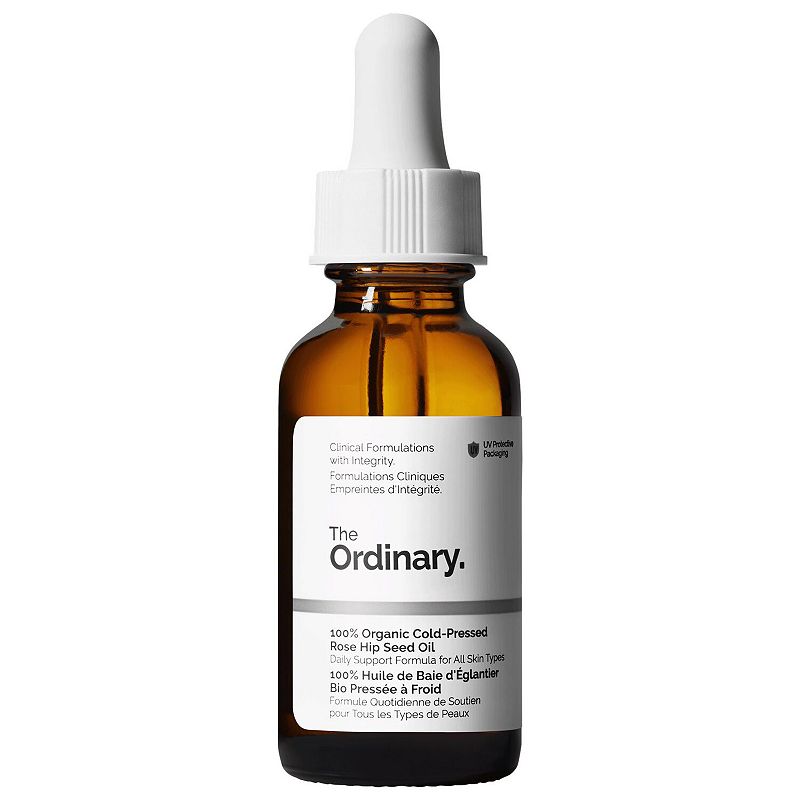



The Ordinary Niacinamide 5% Face and Body Emulsion for Dark Spots & Uneven Tone - 3.3 fl oz - Ulta Beauty
OrdinaryAnalysis updated August 2026 · How Scout scores
At a glance
Summary
This product contains beneficial ingredients such as niacinamide, glycerin, and tocopherol, which are known for their skin-soothing and moisturizing properties. The formulation is generally safe, with no major harmful chemicals, but it does include some synthetic emulsifiers and preservatives, which slightly affect its overall safety profile. The level of processing is moderate, which limits the score despite the presence of beneficial components.
Key ingredients 19
Ethyl MacadamiateGood
Ethyl Macadamiate is an emollient derived from macadamia oil. It provides a silky feel and helps in moisturizing the skin. It is well-tolerated and non-comedogenic.
Risks
There are minimal risks associated with this ingredient, though some individuals may experience mild irritation.
Benefits
It helps in softening and smoothing the skin, enhancing the overall texture.
NiacinamideGood
Niacinamide is a form of Vitamin B3 known for its skin-soothing properties. It helps in reducing inflammation and improving skin tone. It is widely recognized for its ability to strengthen the skin barrier.
Risks
In rare cases, it may cause mild irritation or redness.
Benefits
Niacinamide is effective in reducing dark spots and improving skin elasticity.
GlycerinGood
Glycerin is a well-known humectant that attracts moisture to the skin. It helps in maintaining skin hydration and improving barrier function. It is non-irritating and suitable for all skin types.
Risks
There are minimal risks, though excessive use may lead to a sticky feel.
Benefits
Glycerin effectively hydrates the skin and enhances its smoothness.
TocopherolGood
Tocopherol, also known as Vitamin E, is an antioxidant that helps protect the skin from free radical damage. It aids in moisturizing and improving skin texture. It is well-tolerated and beneficial for skin health.
Risks
There are minimal risks, though some individuals may experience mild irritation.
Benefits
It provides antioxidant protection and enhances skin hydration.
Aqua (Water)Neutral
Aqua is commonly used as a solvent in cosmetic formulations. It helps dissolve other ingredients and provides a base for the product. It is generally considered safe and non-irritating.
Risks
There are no significant risks associated with water in cosmetic products.
Benefits
Water helps in hydrating the skin and acts as a carrier for other beneficial ingredients.
PropanediolNeutral
Propanediol is a glycol used as a solvent and humectant in cosmetics. It helps in improving the texture and spreadability of the product. It is generally considered safe for use in skincare.
Risks
Some individuals may experience mild irritation or allergic reactions.
Benefits
It aids in skin hydration and enhances the absorption of other ingredients.
Sphingomonas Ferment ExtractNeutral
Sphingomonas Ferment Extract is derived from a type of bacteria and is used for its moisturizing properties. It helps in improving skin texture and hydration. Its safety profile is generally positive.
Risks
There is limited data on long-term effects, but it is considered safe.
Benefits
It contributes to skin hydration and may improve skin resilience.
Pentylene GlycolNeutral
Pentylene Glycol is a synthetic humectant and solvent. It helps in retaining moisture and improving the texture of the product. It is generally well-tolerated in skincare formulations.
Risks
Some individuals may experience mild irritation or sensitivity.
Benefits
It enhances skin hydration and improves the product's spreadability.
Ethylhexyl OlivateNeutral
Ethylhexyl Olivate is an ester derived from olive oil, used as an emollient. It provides a smooth feel and helps in moisturizing the skin. It is considered safe for use in cosmetics.
Risks
There are minimal risks, though it may cause mild irritation in sensitive individuals.
Benefits
It helps in softening the skin and improving its texture.
Polyglyceryl-4 OleateNeutral
Polyglyceryl-4 Oleate is an emulsifier derived from natural sources. It helps in stabilizing formulations and improving texture. It is generally considered safe and non-irritating.
Risks
There are minimal risks associated with this ingredient.
Benefits
It aids in maintaining the consistency and stability of the product.
Sodium Acrylates CopolymerNeutral
Sodium Acrylates Copolymer is a synthetic polymer used as a thickening agent. It helps in improving the texture and stability of the product. It is generally considered safe for use in cosmetics.
Risks
There are minimal risks, though it may cause mild irritation in some individuals.
Benefits
It enhances the viscosity and spreadability of the formulation.
Isoceteth-20Neutral
Isoceteth-20 is a polyethylene glycol ether used as an emulsifier. It helps in blending oil and water-based ingredients. It is generally considered safe for use in cosmetics.
Risks
There is a potential risk of contamination with ethylene oxide or 1,4-dioxane.
Benefits
It improves the texture and stability of the product.
Sodium CitrateNeutral
Sodium Citrate is a salt of citric acid used as a buffering agent. It helps in maintaining the pH balance of the product. It is generally considered safe and non-irritating.
Risks
There are minimal risks associated with this ingredient.
Benefits
It helps in stabilizing the pH and enhancing the product's effectiveness.
Citric AcidNeutral
Citric Acid is a weak organic acid used as a pH adjuster. It helps in maintaining the acidity of the product and enhancing its stability. It is generally considered safe for use in cosmetics.
Risks
In high concentrations, it may cause skin irritation.
Benefits
It helps in maintaining the product's pH and improving its shelf life.
Malic AcidNeutral
Malic Acid is an alpha hydroxy acid used for its exfoliating properties. It helps in improving skin texture and promoting cell turnover. It is generally considered safe in low concentrations.
Risks
In high concentrations, it may cause skin irritation or sensitivity.
Benefits
It aids in exfoliating the skin and enhancing its smoothness.
Trisodium Ethylenediamine DisuccinateNeutral
Trisodium Ethylenediamine Disuccinate is a chelating agent used to stabilize formulations. It helps in preventing metal ion contamination and improving product stability. It is generally considered safe for use in cosmetics.
Risks
There are minimal risks associated with this ingredient.
Benefits
It enhances the stability and effectiveness of the product.
EthylhexylglycerinNeutral
Ethylhexylglycerin is a conditioning agent and preservative enhancer. It helps in improving the texture and shelf life of the product. It is generally considered safe for use in cosmetics.
Risks
There are minimal risks, though it may cause mild irritation in sensitive individuals.
Benefits
It enhances the product's preservation and improves skin feel.
ChlorphenesinNeutral
Chlorphenesin is a preservative used to prevent microbial growth. It helps in maintaining the product's stability and safety. It is generally considered safe for use in cosmetics.
Risks
There are minimal risks, though it may cause mild irritation in some individuals.
Benefits
It aids in preserving the product and ensuring its safety.
PhenoxyethanolBad
Processed additive flagged under Scout's ingredient doctrine.
Risks
In high concentrations, it may cause skin irritation or allergic reactions.
Benefits
It effectively preserves the product and prevents contamination.
Get the full breakdown in the Scout appTake Scout shopping
Scan any product to see lab results, healthy alternatives, and your personalized analysis.
Download on theApp Store GET IT ONGoogle Play