



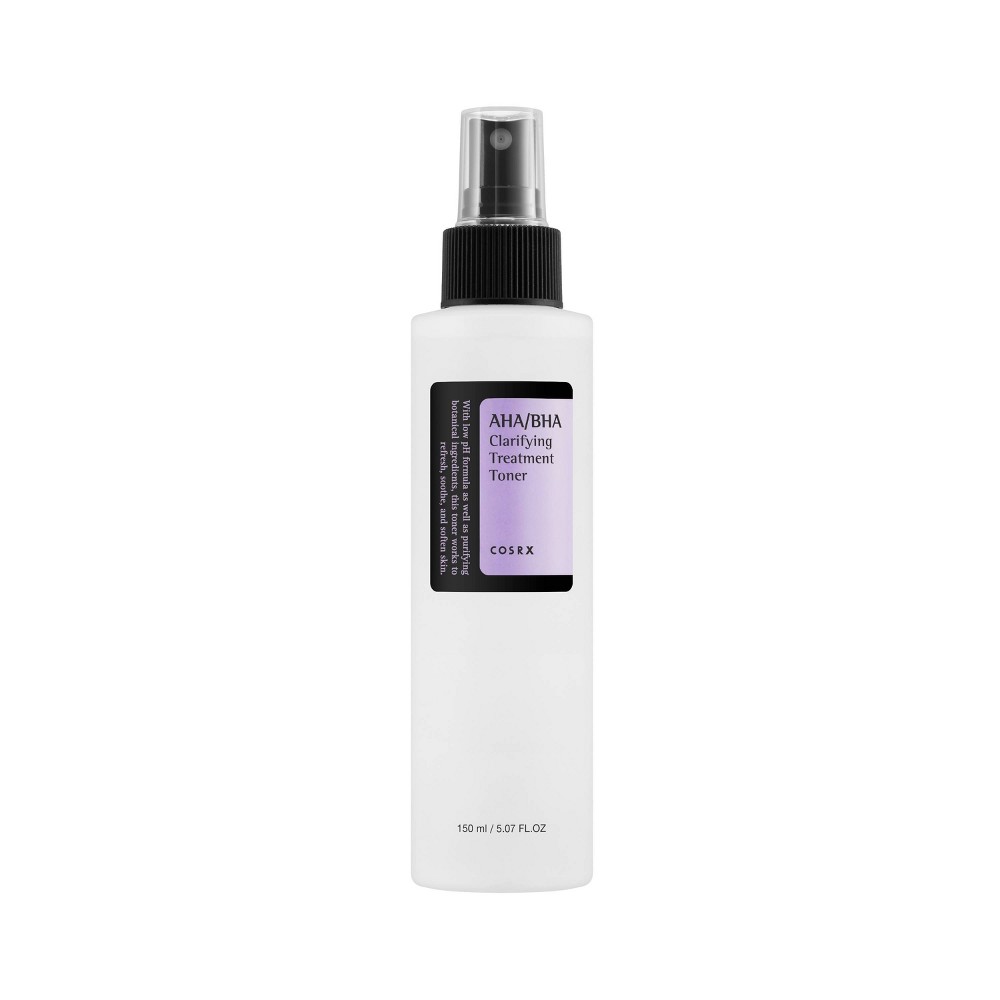
CeraVe Cerave Blemish Control Gel 40ml/1.35oz
Analysis updated August 2026 · How Scout scores
At a glance
Summary
This product contains beneficial ingredients such as glycerin, glycolic acid, lactic acid, salicylic acid, niacinamide, and ceramides, which are known for their moisturizing, exfoliating, and skin barrier-enhancing properties. However, it is a processed product, which limits its score potential. Despite the processing level, the absence of harmful additives and the presence of multiple skin-beneficial components contribute positively to its rating.
Key ingredients 8
Salicylic AcidVery Good
Salicylic Acid penetrates pores to help clear acne and prevent breakouts, making it effective for blemish control.
See more about Salicylic Acid →GlycerinGood
Glycerin is a powerful humectant that attracts moisture to the skin, keeping it hydrated and soft.
See more about Glycerin →Glycolic AcidGood
Glycolic Acid helps exfoliate dead skin cells, promoting a smoother and brighter complexion.
See more about Glycolic Acid →NiacinamideGood
Niacinamide supports skin barrier function and reduces inflammation, helping to improve skin tone and texture.
See more about Niacinamide →Ceramide NPGood
Ceramide NP helps restore and strengthen the skin’s natural barrier, keeping it hydrated and protected.
See more about Ceramide NP →Aqua/WaterNeutral
Water is the base of most skincare products, helping to hydrate the skin and deliver other ingredients effectively.
See more about Aqua/Water →Sodium HydroxideNeutral
Standard formulation ingredient — neither beneficial nor harmful at typical use.
See more about Sodium Hydroxide →Lactic AcidNeutral
Standard formulation ingredient — neither beneficial nor harmful at typical use.
See more about Lactic Acid →Processing
Processed Foods
Get the full breakdown in the Scout appTake Scout shopping
Scan any product to see lab results, healthy alternatives, and your personalized analysis.
Download on theApp Store GET IT ONGoogle PlayAmazon pricing & content
Amazon price as of . Product prices and availability are accurate as of the date/time indicated and are subject to change. Any price and availability information displayed on Amazon.com at the time of purchase will apply to the purchase of this product.
CERTAIN CONTENT THAT APPEARS ON THIS SITE COMES FROM AMAZON. THIS CONTENT IS PROVIDED “AS IS” AND IS SUBJECT TO CHANGE OR REMOVAL AT ANY TIME.