
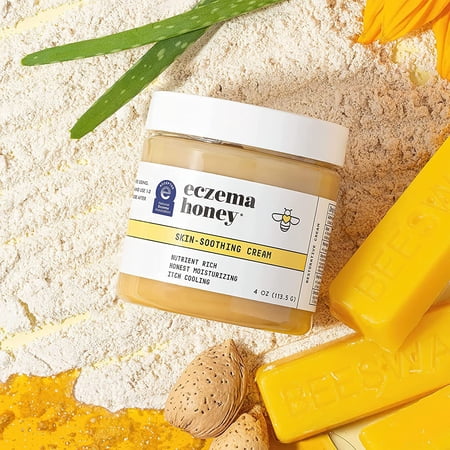
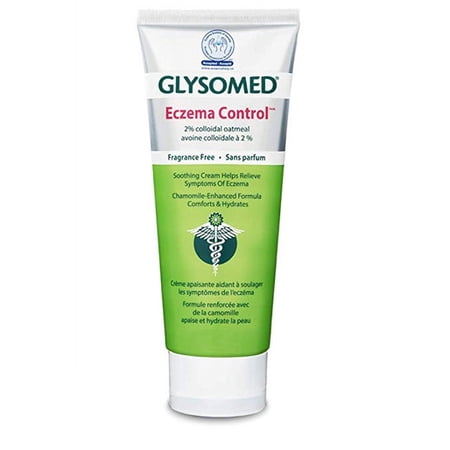
Eczema Honey Nut Free Soothing Cream - 4oz

Eczema Honey
78 Good
$29.95 · 4 oz
View on Amazon
Verified Amazon match

Summary

This soothing cream contains beneficial natural ingredients like honey and aloe vera, which are known for their moisturizing and soothing properties. However, the presence of some processed components and preservatives slightly lowers its score. The product is moderately processed, which impacts its overall rating despite the inclusion of skin-friendly ingredients.

At a glance

Beneficial ingredients 0
Harmful ingredients 0
Category Skin Lightener

Key ingredients 32

Grapeseed Oil

Grapeseed oil is a natural oil known for its light texture and high content of linoleic acid. It is often used in skincare for its moisturizing properties. It is also rich in antioxidants, which can help protect the skin from environmental damage.

Risks

There are minimal risks associated with grapeseed oil, though some individuals may experience mild irritation.

Benefits

It is beneficial for moisturizing the skin and providing antioxidant protection.

Organic Honey

Organic honey is a natural humectant, meaning it helps retain moisture in the skin. It also has antibacterial properties, which can be beneficial for skin prone to acne or irritation. Honey is rich in antioxidants, which can help protect the skin from damage.

Risks

Some individuals may be allergic to honey, leading to skin irritation.

Benefits

It helps in moisturizing the skin and has antibacterial and antioxidant properties.

See more about Organic Honey →
Organic Aloe Vera Juice

Aloe vera juice is known for its soothing and hydrating properties, making it ideal for sensitive or irritated skin. It contains vitamins, enzymes, and amino acids that can promote skin healing. Aloe vera is also known for its anti-inflammatory effects.

Risks

Aloe vera is generally safe, but some people may experience allergic reactions.

Benefits

It soothes and hydrates the skin while providing anti-inflammatory benefits.

See more about Organic Aloe Vera Juice →
Organic Sunflower Oil

Sunflower oil is a non-comedogenic carrier oil that is highly absorbent and won't clog pores. It is rich in vitamin E, which acts as an antioxidant to protect the skin. Sunflower oil also contains linoleic acid, which helps maintain the skin's natural barrier.

Risks

There is a low risk of allergic reactions, but it is generally considered safe.

Benefits

It moisturizes the skin and provides antioxidant protection.

See more about Organic Sunflower Oil →
Colloidal Oatmeal

Colloidal oatmeal is known for its ability to soothe and protect the skin, making it ideal for eczema and other skin irritations. It forms a protective barrier on the skin and helps retain moisture. It also has anti-inflammatory properties.

Risks

Rarely, individuals may experience an allergic reaction to oats.

Benefits

It soothes irritated skin and provides a protective barrier.

See more about Colloidal Oatmeal →
Organic Olive Oil

Olive oil is a natural oil rich in vitamins A, D, E, and K, which are beneficial for skin health. It has moisturizing properties and can help repair damaged skin. Olive oil also contains antioxidants that protect the skin from environmental damage.

Risks

It may cause clogged pores in some individuals with acne-prone skin.

Benefits

It moisturizes and repairs the skin while providing antioxidant protection.

See more about Organic Olive Oil →
Almond Oil

Almond oil is a lightweight oil that is easily absorbed by the skin, making it an excellent moisturizer. It is rich in vitamin E and fatty acids, which nourish and protect the skin. Almond oil is also known for its ability to improve skin tone and complexion.

Risks

Individuals with nut allergies should avoid almond oil as it may cause allergic reactions.

Benefits

It moisturizes and nourishes the skin while improving skin tone.

See more about Almond Oil →
Beeswax

Beeswax is a natural wax produced by honeybees and is used in skincare for its emollient properties. It helps to lock in moisture and create a protective barrier on the skin. Beeswax also has anti-inflammatory and antibacterial properties.

Risks

Some individuals may be allergic to beeswax, leading to skin irritation.

Benefits

It locks in moisture and provides a protective barrier with antibacterial properties.

See more about Beeswax →
Water

Water is a universal solvent used in skincare products to dissolve other ingredients. It helps to hydrate the skin and is essential for the formulation of creams and lotions. Water also aids in the absorption of active ingredients.

Risks

There are no significant risks associated with water in skincare products.

Benefits

It hydrates the skin and aids in the absorption of other ingredients.

See more about Water →
Sodium Bicarbonate

Sodium bicarbonate, also known as baking soda, is used in skincare for its exfoliating properties. It helps to remove dead skin cells and can balance the skin's pH. However, it should be used with caution as it can be abrasive.

Risks

Overuse can lead to skin irritation and disrupt the skin's natural pH balance.

Benefits

It exfoliates the skin and can help balance pH levels.

See more about Sodium Bicarbonate →
Potassium Sorbate

Potassium sorbate is a preservative used to prevent the growth of mold and yeast in skincare products. It is considered a mild preservative and is generally safe for use in cosmetics. It helps to extend the shelf life of products.

Risks

In rare cases, it may cause skin irritation or allergic reactions.

Benefits

It prevents microbial growth and extends product shelf life.

See more about Potassium Sorbate →
Phenoxyethanol

Phenoxyethanol is a preservative used in cosmetics to prevent the growth of bacteria and fungi. It is considered a safer alternative to parabens. However, it can cause skin irritation in some individuals.

Risks

It may cause skin irritation or allergic reactions, particularly in sensitive individuals.

Benefits

It effectively preserves products by preventing microbial growth.

See more about Phenoxyethanol →
Ethylhexylglycerin

Ethylhexylglycerin is used as a skin conditioning agent and preservative enhancer in cosmetics. It helps to improve the efficacy of other preservatives. It also has mild antimicrobial properties.

Risks

It is generally considered safe, but may cause mild irritation in sensitive skin.

Benefits

It enhances preservative efficacy and conditions the skin.

See more about Ethylhexylglycerin →
Hexylene Glycol

Hexylene glycol is used as a solvent and viscosity agent in cosmetics. It helps to improve the texture and spreadability of products. It also has humectant properties, helping to retain moisture in the skin.

Risks

It may cause skin irritation or allergic reactions in some individuals.

Benefits

It improves product texture and retains moisture in the skin.

See more about Hexylene Glycol →
Caprylyl Glycol

Caprylyl glycol is used as a skin conditioning agent and preservative in cosmetics. It has antimicrobial properties that help to preserve the product. It also acts as a humectant, drawing moisture into the skin.

Risks

It is generally safe, but may cause mild irritation in sensitive individuals.

Benefits

It conditions the skin and preserves the product with antimicrobial properties.

See more about Caprylyl Glycol →
Witch Hazel

Witch hazel is a natural astringent that helps to tighten the skin and reduce inflammation. It is often used in skincare for its soothing and anti-inflammatory properties. Witch hazel can also help to control oil production.

Risks

Overuse can lead to skin dryness or irritation.

Benefits

It tightens the skin and reduces inflammation with soothing properties.

Lavender Essential Oil

Lavender essential oil is known for its calming and soothing properties. It is often used in skincare for its ability to reduce redness and irritation. Lavender oil also has antimicrobial properties that can benefit acne-prone skin.

Risks

Essential oils can cause allergic reactions or skin irritation in some individuals.

Benefits

It soothes the skin and provides antimicrobial benefits.

See more about Lavender Essential Oil →
Honey Powder

Honey powder is a dehydrated form of honey that retains its natural humectant properties. It helps to moisturize the skin and has antibacterial properties. Honey powder is also rich in antioxidants, which can protect the skin from damage.

Risks

Allergic reactions are possible in individuals sensitive to honey.

Benefits

It moisturizes and protects the skin with antibacterial and antioxidant properties.

Vitamin E Oil

Vitamin E oil is a powerful antioxidant that helps to protect the skin from free radical damage. It is often used in skincare for its moisturizing and healing properties. Vitamin E can also help to improve the appearance of scars and fine lines.

Risks

High concentrations may cause skin irritation in sensitive individuals.

Benefits

It protects the skin and improves the appearance of scars and fine lines.

See more about Vitamin E Oil →
Oat Extract

Oat extract is known for its soothing and anti-inflammatory properties, making it ideal for sensitive or irritated skin. It helps to moisturize and protect the skin barrier. Oat extract also contains antioxidants that can protect the skin from environmental damage.

Risks

Rarely, individuals may experience an allergic reaction to oats.

Benefits

It soothes and protects the skin with antioxidant properties.

See more about Oat Extract →
Distilled Water

Distilled water is used in skincare products as a solvent to dissolve other ingredients. It is free from impurities and helps to hydrate the skin. Distilled water also aids in the absorption of active ingredients.

Risks

There are no significant risks associated with distilled water in skincare products.

Benefits

It hydrates the skin and aids in the absorption of other ingredients.

See more about Distilled Water →
Mango Butter

Mango butter is a natural butter known for its moisturizing and emollient properties. It is rich in fatty acids and vitamins that nourish and protect the skin. Mango butter also helps to improve skin elasticity and reduce the appearance of fine lines.

Risks

It is generally safe, but may cause mild irritation in sensitive skin.

Benefits

It moisturizes and nourishes the skin while improving elasticity.

See more about Mango Butter →
Extra Virgin Coconut Oil

Extra virgin coconut oil is a natural oil known for its moisturizing and antibacterial properties. It is rich in fatty acids that nourish and protect the skin. Coconut oil also helps to improve skin barrier function and reduce inflammation.

Risks

It may clog pores in acne-prone skin, leading to breakouts.

Benefits

It moisturizes and protects the skin with antibacterial properties.

Jojoba Seed Oil

Jojoba seed oil is a natural oil that closely resembles the skin's natural sebum. It is easily absorbed and helps to balance oil production. Jojoba oil also has moisturizing and anti-inflammatory properties.

Risks

It is generally safe, but may cause mild irritation in sensitive skin.

Benefits

It balances oil production and moisturizes the skin with anti-inflammatory properties.

Tea Tree Leaf Oil

Tea tree leaf oil is known for its antimicrobial and anti-inflammatory properties. It is often used in skincare to treat acne and reduce redness. Tea tree oil can also help to soothe irritated skin.

Risks

Essential oils can cause allergic reactions or skin irritation in some individuals.

Benefits

It treats acne and soothes the skin with antimicrobial properties.

Coconut Oil

Coconut oil is a natural oil known for its moisturizing and antibacterial properties. It is rich in fatty acids that nourish and protect the skin. Coconut oil also helps to improve skin barrier function and reduce inflammation.

Risks

It may clog pores in acne-prone skin, leading to breakouts.

Benefits

It moisturizes and protects the skin with antibacterial properties.

See more about Coconut Oil →
Palm Oil

Palm oil is a natural oil used in skincare for its moisturizing properties. It is rich in vitamins A and E, which are beneficial for skin health. Palm oil also contains antioxidants that protect the skin from environmental damage.

Risks

There are environmental concerns associated with palm oil production, but it is generally safe for skin use.

Benefits

It moisturizes and protects the skin with antioxidant properties.

See more about Palm Oil →
Hemp Oil

Hemp oil is a natural oil rich in omega-3 and omega-6 fatty acids, which are beneficial for skin health. It helps to moisturize and soothe the skin while reducing inflammation. Hemp oil also supports skin barrier function.

Risks

It is generally safe, but may cause mild irritation in sensitive skin.

Benefits

It moisturizes and soothes the skin while supporting barrier function.

Organic Honey Powder

Organic honey powder is a dehydrated form of honey that retains its natural humectant properties. It helps to moisturize the skin and has antibacterial properties. Honey powder is also rich in antioxidants, which can protect the skin from damage.

Risks

Allergic reactions are possible in individuals sensitive to honey.

Benefits

It moisturizes and protects the skin with antibacterial and antioxidant properties.

Potassium Hydroxide

Potassium hydroxide is used in skincare products to adjust pH levels. It is a strong alkaline compound that can be harsh on the skin if not properly formulated. It is typically used in small amounts to ensure product stability.

Risks

It can cause skin irritation or burns if used in high concentrations.

Benefits

It helps to stabilize product pH levels when used correctly.

See more about Potassium Hydroxide →
Citric Acid

Citric acid is used in skincare products to adjust pH levels and as a mild exfoliant. It helps to remove dead skin cells and improve skin texture. Citric acid also has antioxidant properties that protect the skin from environmental damage.

Risks

It may cause skin irritation or sensitivity, especially in high concentrations.

Benefits

It exfoliates and protects the skin with antioxidant properties.

See more about Citric Acid →
Vegetable Glycerin

Vegetable glycerin is a humectant that helps to draw moisture into the skin. It is often used in skincare for its moisturizing properties. Glycerin also helps to improve skin barrier function and smooth texture.

Risks

It is generally safe, but may cause mild irritation in sensitive skin.

Benefits

It moisturizes and improves skin barrier function.

See more about Vegetable Glycerin →

Processing

Group 3 · Processed

Processed Foods

Get the full breakdown in the Scout app

Scan any product to see lab results, healthy alternatives, and your personalized analysis.

Download on theApp Store