
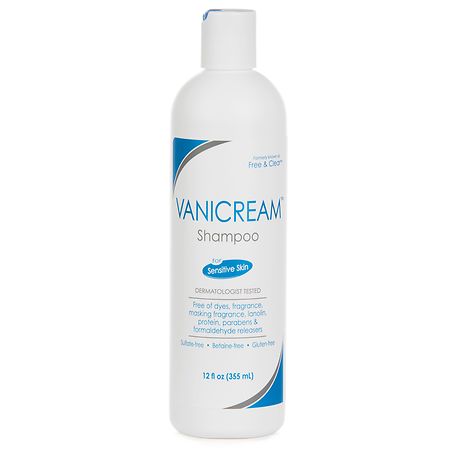
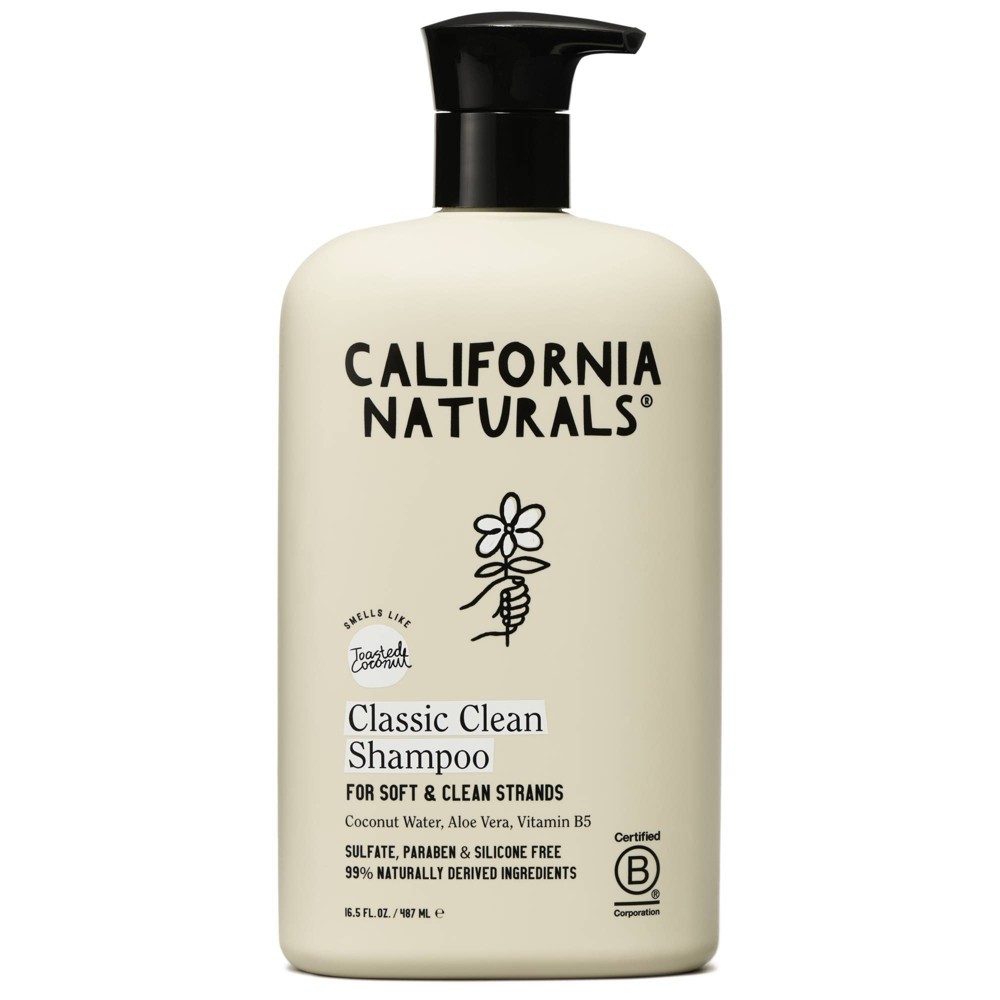
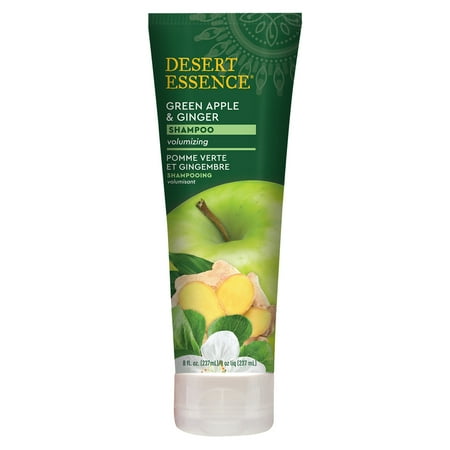
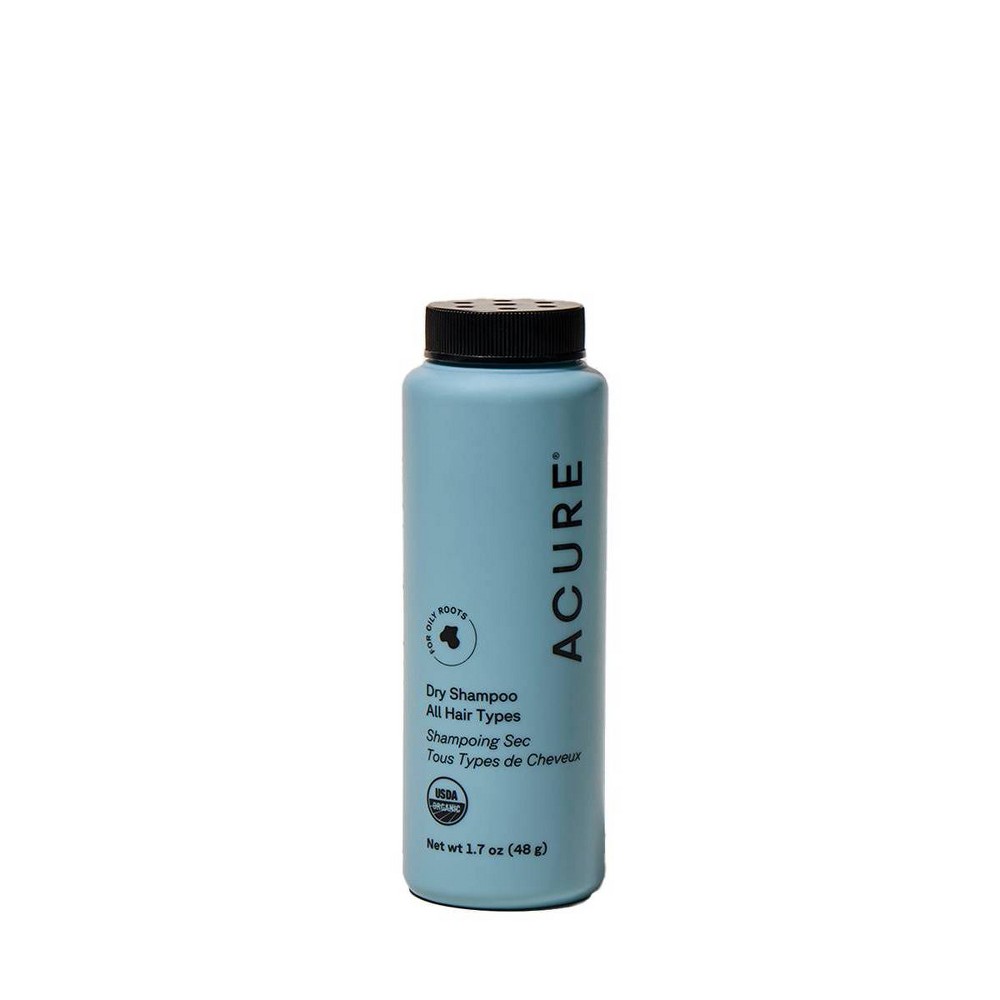
Vanicream Shampoo for Sensitive Skin - Unscented - 12 fl oz: Basic Cleansing, Oil Control, Hypoallergenic, Vegan
Analysis updated October 2026 · How Scout scores
At a glance
Summary
This shampoo features a gentle formula with mild surfactants like lauryl glucoside and coco glucoside, which are derived from coconut oil and are suitable for sensitive skin. It is free from harsh ingredients such as sulfates, parabens, and silicones, making it a good choice for those with sensitive scalps. The presence of sodium chloride as a thickener is a minor concern, but overall, the product maintains a clean label with beneficial ingredients like panthenol and glycerin for added moisture and hair health.
Key ingredients 16
lauryl glucosideVery Good
Lauryl glucoside is a mild, non-ionic surfactant derived from glucose and coconut oil. It is known for its gentle cleansing properties and is suitable for sensitive skin. It is biodegradable and considered environmentally friendly.
Risks
There are minimal risks associated with lauryl glucoside, though some individuals may experience mild irritation.
Benefits
It provides gentle cleansing without stripping natural oils, making it ideal for sensitive skin.
coco glucosideVery Good
Coco glucoside is a gentle surfactant derived from coconut oil and glucose. It is known for its mildness and ability to cleanse without causing irritation. It is biodegradable and eco-friendly.
Risks
There are minimal risks associated with coco glucoside, though it may cause mild irritation in rare cases.
Benefits
It effectively cleanses the hair and scalp while maintaining moisture balance.
disodium cocoyl glutamateGood
Disodium cocoyl glutamate is a mild surfactant derived from coconut oil and glutamic acid. It is known for its gentle cleansing properties and is suitable for sensitive skin. It is biodegradable and considered safe for use.
Risks
There are minimal risks associated with disodium cocoyl glutamate.
Benefits
It provides effective cleansing while being gentle on the skin and hair.
sodium cocoyl glycinateGood
Sodium cocoyl glycinate is a mild surfactant derived from coconut oil and glycine. It is known for its gentle cleansing properties and is suitable for sensitive skin. It is biodegradable and considered safe for use.
Risks
There are minimal risks associated with sodium cocoyl glycinate.
Benefits
It provides effective cleansing while maintaining skin and hair moisture.
glycerinGood
Glycerin is a humectant that attracts moisture to the skin and hair. It is widely used in cosmetics for its hydrating properties. It is considered safe and beneficial for maintaining moisture balance.
Risks
There are minimal risks associated with glycerin.
Benefits
It helps in keeping the hair and scalp hydrated and prevents dryness.
panthenolGood
Panthenol, also known as provitamin B5, is used for its moisturizing and soothing properties. It helps improve hair elasticity and shine. It is considered safe and beneficial for hair care.
Risks
There are minimal risks associated with panthenol.
Benefits
It enhances hair moisture, elasticity, and shine, making it healthier.
sodium cocoyl glutamateGood
Sodium cocoyl glutamate is a mild surfactant derived from coconut oil and glutamic acid. It is known for its gentle cleansing properties and is suitable for sensitive skin. It is biodegradable and considered safe for use.
Risks
There are minimal risks associated with sodium cocoyl glutamate.
Benefits
It provides effective cleansing while being gentle on the skin and hair.
purified waterNeutral
Purified water is used as a solvent in many cosmetic products. It helps dissolve other ingredients and provides a base for the formulation. It is generally considered safe and non-reactive.
Risks
There are no significant risks associated with purified water.
Benefits
It acts as a carrier for other ingredients, ensuring even distribution.
sucrose cocoateNeutral
Sucrose cocoate is an emulsifier and surfactant derived from sugar and coconut oil. It helps in stabilizing formulations and providing mild cleansing. It is generally considered safe for use in cosmetics.
Risks
There are minimal risks associated with sucrose cocoate.
Benefits
It aids in emulsifying and stabilizing the product formulation.
pentylene glycolNeutral
Pentylene glycol is used as a solvent and skin-conditioning agent in cosmetics. It helps improve the texture and spreadability of products. It is generally considered safe for use.
Risks
Some individuals may experience mild irritation or allergic reactions.
Benefits
It enhances the texture and application of the product.
1, 2-hexanediolNeutral
1, 2-hexanediol is used as a solvent and preservative in cosmetic formulations. It helps in maintaining product stability and preventing microbial growth. It is generally considered safe for use.
Risks
Some individuals may experience mild irritation or allergic reactions.
Benefits
It helps in preserving the product and maintaining its stability.
caprylyl glycolNeutral
Caprylyl glycol is used as a skin-conditioning agent and preservative in cosmetics. It helps in maintaining product stability and providing moisturizing benefits. It is generally considered safe for use.
Risks
Some individuals may experience mild irritation or allergic reactions.
Benefits
It helps in preserving the product and providing moisture to the skin and hair.
sodium hydroxideNeutral
Sodium hydroxide is used to adjust the pH of cosmetic formulations. It helps in maintaining the stability and efficacy of the product. It is generally considered safe when used in small amounts.
Risks
In high concentrations, it can be irritating to the skin and eyes.
Benefits
It helps in maintaining the desired pH level of the product.
sodium chlorideNeutral
Standard formulation ingredient — neither beneficial nor harmful at typical use.
Risks
It may cause dryness and irritation to the scalp and hair.
Benefits
It helps in thickening the product and improving its texture.
acrylates copolymerBad
Processed additive flagged under Scout's ingredient doctrine.
Risks
Some individuals may experience mild irritation or allergic reactions.
Benefits
It helps in improving the texture and consistency of the product.
disodium EDTABad
Processed additive flagged under Scout's ingredient doctrine.
Risks
There are minimal risks associated with disodium EDTA, though it may cause mild irritation in some individuals.
Benefits
It enhances product stability and prevents degradation.
Processing
Processed Culinary Ingredients
Get the full breakdown in the Scout appTake Scout shopping
Scan any product to see lab results, healthy alternatives, and your personalized analysis.
Download on theApp Store GET IT ONGoogle Play