

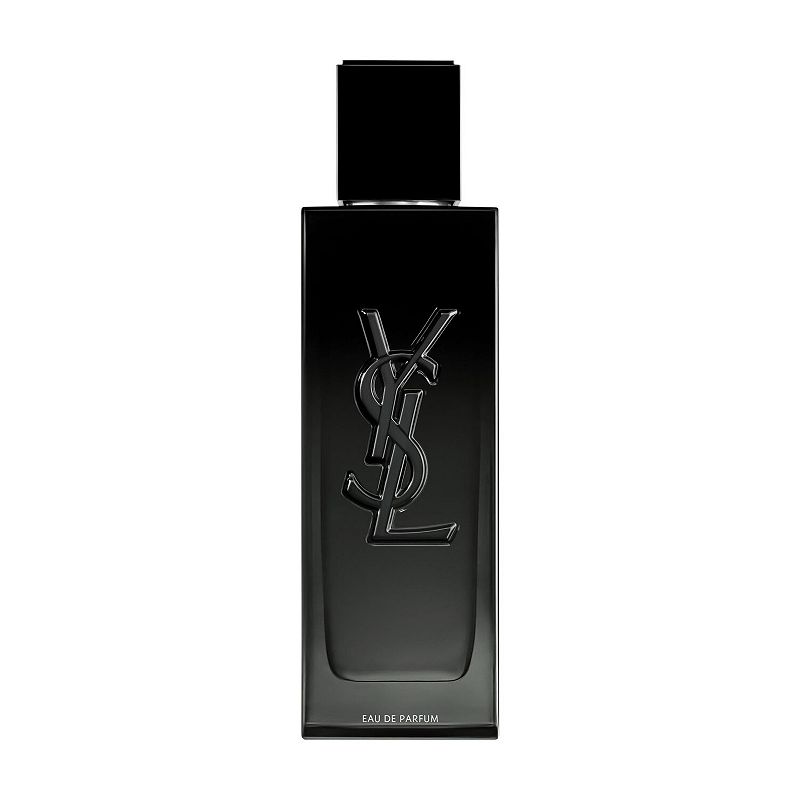


Saint Laurent Y Eau de Parfum Intense at Nordstrom, Size 3.4 Oz
Summary
This fragrance product contains several beneficial natural ingredients like limonene, linalool, and lavender, which are known for their pleasant scents and potential therapeutic properties. However, it also includes harmful ingredients such as Butyl Methoxydibenzoylmethane and coumarin, which raise concerns due to potential hormone-disrupting effects and liver toxicity. The presence of these synthetic and potentially harmful components, along with its processed nature, impacts the overall rating.
At a glance
Key ingredients 19
AlcoholNeutral
Alcohol is used as a solvent and carrier in perfumes, helping to disperse fragrance evenly. It is typically derived from natural fermentation processes, but can cause skin dryness. Its rapid evaporation aids in the quick release of fragrance notes.
Risks
May cause skin irritation or dryness, especially for sensitive skin types.
Benefits
Facilitates the dispersion of fragrance and enhances the longevity of the scent.
WaterNeutral
Water is used as a diluent in perfumes to adjust the concentration of the fragrance. It is generally purified to remove impurities, ensuring product safety. Its presence is minimal in perfumes compared to other ingredients.
See more about Water →LimoneneGood
Limonene is a naturally occurring compound found in citrus oils, used for its fresh scent. It is extracted through cold pressing or steam distillation, preserving its natural properties. It also has potential antimicrobial and antioxidant properties.
Risks
Can cause skin irritation or allergic reactions in sensitive individuals.
Benefits
Provides a fresh citrus scent and may offer antimicrobial benefits.
LinaloolGood
Linalool is a naturally occurring terpene alcohol found in many flowers and spice plants, used for its pleasant floral scent. It is typically extracted through steam distillation. It may have calming and anti-anxiety effects.
Risks
Potential allergen that can cause skin irritation in some individuals.
Benefits
Contributes a floral scent and may have calming properties.
Butyl MethoxydibenzoylmethaneBad
Butyl Methoxydibenzoylmethane is a chemical compound used as a UV filter in cosmetics. It is synthetically produced and can degrade under sunlight, reducing its effectiveness. Concerns exist about its stability and potential hormone-disrupting effects.
Risks
May cause skin irritation and has potential endocrine-disrupting effects.
Benefits
Provides UV protection, though its effectiveness can be compromised by instability.
CitralGood
Citral is a naturally occurring compound found in the oils of several plants, used for its lemon scent. It is extracted through steam distillation, maintaining its natural integrity. It may have antimicrobial and anti-inflammatory properties.
Risks
Can cause skin irritation or allergic reactions in sensitive individuals.
Benefits
Offers a lemon scent and potential antimicrobial benefits.
CitronellolGood
Citronellol is a naturally occurring monoterpenoid found in rose and geranium oils, used for its floral scent. It is extracted through steam distillation. It may have insect-repelling properties and is often used in aromatherapy.
Risks
Potential allergen that can cause skin irritation in some individuals.
Benefits
Provides a floral scent and may repel insects.
Alpha-Isomethyl IononeNeutral
Alpha-Isomethyl Ionone is a synthetic fragrance ingredient used for its violet-like scent. It is produced through chemical synthesis, ensuring consistency in fragrance products. It is generally considered safe in low concentrations.
Risks
May cause skin irritation or allergic reactions in sensitive individuals.
Benefits
Contributes a violet-like scent to fragrance products.
GeraniolGood
Geraniol is a naturally occurring alcohol found in rose and citronella oils, used for its sweet floral scent. It is extracted through steam distillation. It may have antioxidant and anti-inflammatory properties.
Risks
Potential allergen that can cause skin irritation in some individuals.
Benefits
Provides a sweet floral scent and may offer antioxidant benefits.
CoumarinBad
Coumarin is a naturally occurring compound found in many plants, used for its sweet scent. It is extracted from tonka beans or synthesized chemically. Concerns exist about its potential liver toxicity when ingested in large amounts.
Risks
May cause skin irritation and has potential liver toxicity when ingested.
Benefits
Contributes a sweet scent to fragrance products.
AldehydeNeutral
Aldehydes are organic compounds used in perfumes for their fresh, clean scent. They are synthetically produced to ensure consistency and stability in fragrance formulations. They are generally considered safe in cosmetic applications.
Risks
May cause skin irritation or allergic reactions in sensitive individuals.
Benefits
Provides a fresh, clean scent to fragrance products.
LavenderVery Good
Lavender is a natural plant extract used for its calming and soothing scent. It is extracted through steam distillation, preserving its therapeutic properties. It is widely used in aromatherapy for its relaxing effects.
Benefits
Offers a calming scent and is used for its relaxing properties in aromatherapy.
Clary SageGood
Clary Sage is a natural plant extract used for its earthy, herbaceous scent. It is extracted through steam distillation, maintaining its natural properties. It may have mood-enhancing and stress-relieving effects.
Benefits
Provides an earthy scent and may enhance mood and relieve stress.
Juniper BerriesGood
Juniper Berries are natural plant extracts used for their fresh, woody scent. They are extracted through steam distillation, preserving their aromatic qualities. They may have antimicrobial and antioxidant properties.
Benefits
Offers a fresh, woody scent and may provide antimicrobial benefits.
PatchouliGood
Patchouli is a natural plant extract used for its rich, earthy scent. It is extracted through steam distillation, preserving its aromatic properties. It is often used in aromatherapy for its grounding and balancing effects.
Benefits
Provides a rich, earthy scent and is used for its grounding effects in aromatherapy.
GeraniumGood
Geranium is a natural plant extract used for its sweet, floral scent. It is extracted through steam distillation, maintaining its natural integrity. It may have balancing and uplifting effects on mood.
Benefits
Offers a sweet, floral scent and may uplift mood.
AmberNeutral
Amber is a fragrance note used for its warm, resinous scent. It is often a blend of natural and synthetic compounds to replicate the scent of natural amber. It is valued for its depth and longevity in perfumes.
Benefits
Provides a warm, resinous scent that adds depth to fragrances.
AmbroxanNeutral
Ambroxan is a synthetic compound used for its musky, ambergris-like scent. It is produced through chemical synthesis to mimic the scent of natural ambergris. It is valued for its longevity and ability to enhance other fragrance notes.
Benefits
Contributes a musky scent and enhances the longevity of fragrances.
BergamotGood
Bergamot is a natural citrus extract used for its fresh, uplifting scent. It is extracted through cold pressing of the fruit's peel, preserving its natural aroma. It may have mood-enhancing and stress-relieving effects.
Benefits
Provides a fresh, uplifting scent and may enhance mood.
Processing
Processed Foods
Get the full breakdown in the Scout app
Scan any product to see lab results, healthy alternatives, and your personalized analysis.
Download on theApp Store