
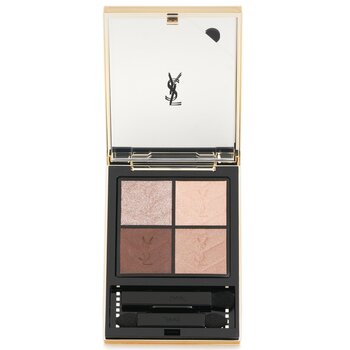



Yves Saint LaurentCouture Mini Clutch Eyeshadow Palette - # 100 Stora Dolls 4g
Analysis updated August 2026 · How Scout scores
At a glance
Summary
This eyeshadow palette contains beneficial ingredients like sweet almond oil, coffee seed oil, and tocopherol, which provide moisturizing and antioxidant benefits. However, the presence of talc, which may be contaminated with asbestos, poses a significant health concern. The product also includes synthetic ingredients like dimethicone and polybutene, contributing to its processed nature, which affects the overall safety score.
Key ingredients 23
PRUNUS AMYGDALUS DULCIS OIL / SWEET ALMOND OILVery Good
Sweet almond oil is a natural oil used for its moisturizing properties. It is rich in vitamins and fatty acids, making it beneficial for skin health. It is considered safe and nourishing.
Risks
Minimal risk when used in cosmetics.
Benefits
Provides moisturizing and nourishing benefits to the skin.
COFFEA ARABICA SEED OIL / COFFEE SEED OILVery Good
Coffee seed oil is used for its antioxidant properties in cosmetics. It helps protect the skin from environmental damage. It is considered safe and beneficial for skin health.
Risks
Minimal risk when used in cosmetics.
Benefits
Provides antioxidant benefits and helps protect the skin.
OPUNTIA FICUS-INDICA FLOWER EXTRACTVery Good
Opuntia ficus-indica flower extract is used for its moisturizing and soothing properties in cosmetics. It is rich in antioxidants and vitamins, making it beneficial for skin health. It is considered safe and nourishing.
Risks
Minimal risk when used in cosmetics.
Benefits
Provides moisturizing and soothing benefits to the skin.
TOCOPHEROLVery Good
Tocopherol, also known as Vitamin E, is used for its antioxidant properties in cosmetics. It helps protect the skin from environmental damage and supports skin health. It is considered safe and beneficial.
Risks
Minimal risk when used in cosmetics.
Benefits
Provides antioxidant benefits and supports skin health.
CI 77499 / IRON OXIDESGood
Beneficial ingredient — whole-food or functional value in this product class.
Risks
Minimal risk when used in cosmetics.
Benefits
Provides pigmentation and color to cosmetic products.
MICAGood
Beneficial ingredient — whole-food or functional value in this product class.
Risks
Potential ethical concerns regarding mining practices.
Benefits
Adds shimmer and shine to cosmetic products.
CI 77491 / IRON OXIDESGood
Beneficial ingredient — whole-food or functional value in this product class.
Risks
Minimal risk when used in cosmetics.
Benefits
Provides pigmentation and color to cosmetic products.
KAOLINGood
Beneficial ingredient — whole-food or functional value in this product class.
Risks
Minimal risk when used in cosmetics.
Benefits
Provides absorbency and improves texture in cosmetic products.
CAPRYLIC/CAPRIC TRIGLYCERIDEGood
Caprylic/capric triglyceride is used as an emollient and skin-conditioning agent in cosmetics. It is derived from coconut oil and glycerin, making it lightweight and non-greasy. It is considered safe and beneficial for skin health.
Risks
Minimal risk when used in cosmetics.
Benefits
Provides lightweight moisturization and improves skin texture.
CI 75470 / CARMINENeutral
Carmine is a natural red pigment derived from insects. It is considered safe for use in cosmetics. However, it may cause allergic reactions in some individuals.
Risks
Potential allergen for some individuals.
Benefits
Provides a natural red color to cosmetic products.
ALUMINUM STARCH OCTENYLSUCCINATENeutral
This ingredient is used as an absorbent and anti-caking agent in cosmetics. It is generally considered safe for use. However, it does not provide any additional skin benefits.
Risks
Minimal risk when used in cosmetics.
Benefits
Improves texture and absorbency in cosmetic products.
CI 77007 / ULTRAMARINESNeutral
Ultramarines are pigments used to provide blue hues in cosmetics. They are considered safe for use. However, they do not offer any skin benefits.
Risks
Minimal risk when used in cosmetics.
Benefits
Provides blue pigmentation to cosmetic products.
OCTYLDODECYL STEAROYL STEARATENeutral
This ingredient is used as an emollient and thickening agent in cosmetics. It is generally considered safe for use. However, it does not provide any additional skin benefits.
Risks
Minimal risk when used in cosmetics.
Benefits
Improves texture and consistency in cosmetic products.
ZEA MAYS STARCH / CORN STARCHNeutral
Corn starch is used as an absorbent and anti-caking agent in cosmetics. It is generally considered safe for use. However, it does not provide any additional skin benefits.
Risks
Minimal risk when used in cosmetics.
Benefits
Improves texture and absorbency in cosmetic products.
ZINC STEARATENeutral
Zinc stearate is used as a lubricant and thickening agent in cosmetics. It is generally considered safe for use. However, it does not provide any additional skin benefits.
Risks
Minimal risk when used in cosmetics.
Benefits
Improves texture and consistency in cosmetic products.
POLYBUTENENeutral
Polybutene is used as a binder and thickening agent in cosmetics. It is generally considered safe for use. However, it does not provide any additional skin benefits.
Risks
Minimal risk when used in cosmetics.
Benefits
Improves texture and consistency in cosmetic products.
CI 77891 / TITANIUM DIOXIDENeutral
Titanium dioxide is used as a pigment and UV filter in cosmetics. It is generally considered safe for use. However, there are concerns about inhalation risks in powder form.
Risks
Potential inhalation risks in powder form.
Benefits
Provides pigmentation and UV protection in cosmetic products.
TRIETHOXYCAPRYLYLSILANENeutral
This ingredient is used as a surface modifier in cosmetics. It is generally considered safe for use. However, it does not provide any additional skin benefits.
Risks
Minimal risk when used in cosmetics.
Benefits
Improves the dispersion of pigments in cosmetic products.
MALTODEXTRINNeutral
Maltodextrin is used as a binding and thickening agent in cosmetics. It is generally considered safe for use. However, it does not provide any additional skin benefits.
Risks
Minimal risk when used in cosmetics.
Benefits
Improves texture and consistency in cosmetic products.
DEHYDROACETIC ACIDNeutral
Dehydroacetic acid is used as a preservative in cosmetics. It is generally considered safe for use. However, it does not provide any additional skin benefits.
Risks
Minimal risk when used in cosmetics.
Benefits
Helps preserve the product by preventing microbial growth.
DIMETHICONEBad
Occlusive silicone film-former — flagged under clean-beauty doctrine.
Risks
Potential for build-up on the skin with prolonged use.
Benefits
Provides a smooth, silky texture to cosmetic products.
SORBIC ACIDBad
Processed additive flagged under Scout's ingredient doctrine.
Risks
Minimal risk when used in cosmetics.
Benefits
Helps preserve the product by preventing microbial growth.
TALCVery Bad
Talc is a mineral used for its absorbent properties in cosmetics. However, it has been associated with potential contamination with asbestos, a known carcinogen. This raises significant health concerns.
Risks
Potential contamination with asbestos, which is a carcinogen.
Benefits
Provides a smooth texture and absorbency in cosmetic products.
Get the full breakdown in the Scout appTake Scout shopping
Scan any product to see lab results, healthy alternatives, and your personalized analysis.
Download on theApp Store GET IT ONGoogle PlayAmazon pricing & content
Amazon price as of . Product prices and availability are accurate as of the date/time indicated and are subject to change. Any price and availability information displayed on Amazon.com at the time of purchase will apply to the purchase of this product.
CERTAIN CONTENT THAT APPEARS ON THIS SITE COMES FROM AMAZON. THIS CONTENT IS PROVIDED “AS IS” AND IS SUBJECT TO CHANGE OR REMOVAL AT ANY TIME.