
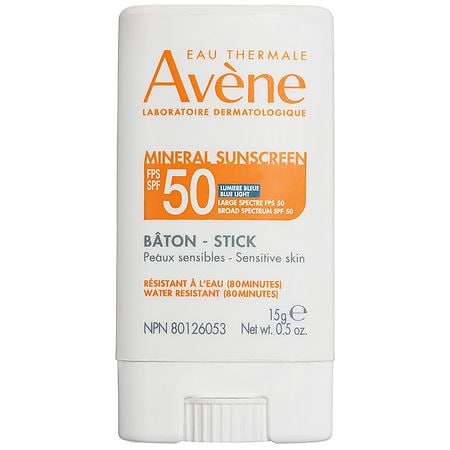
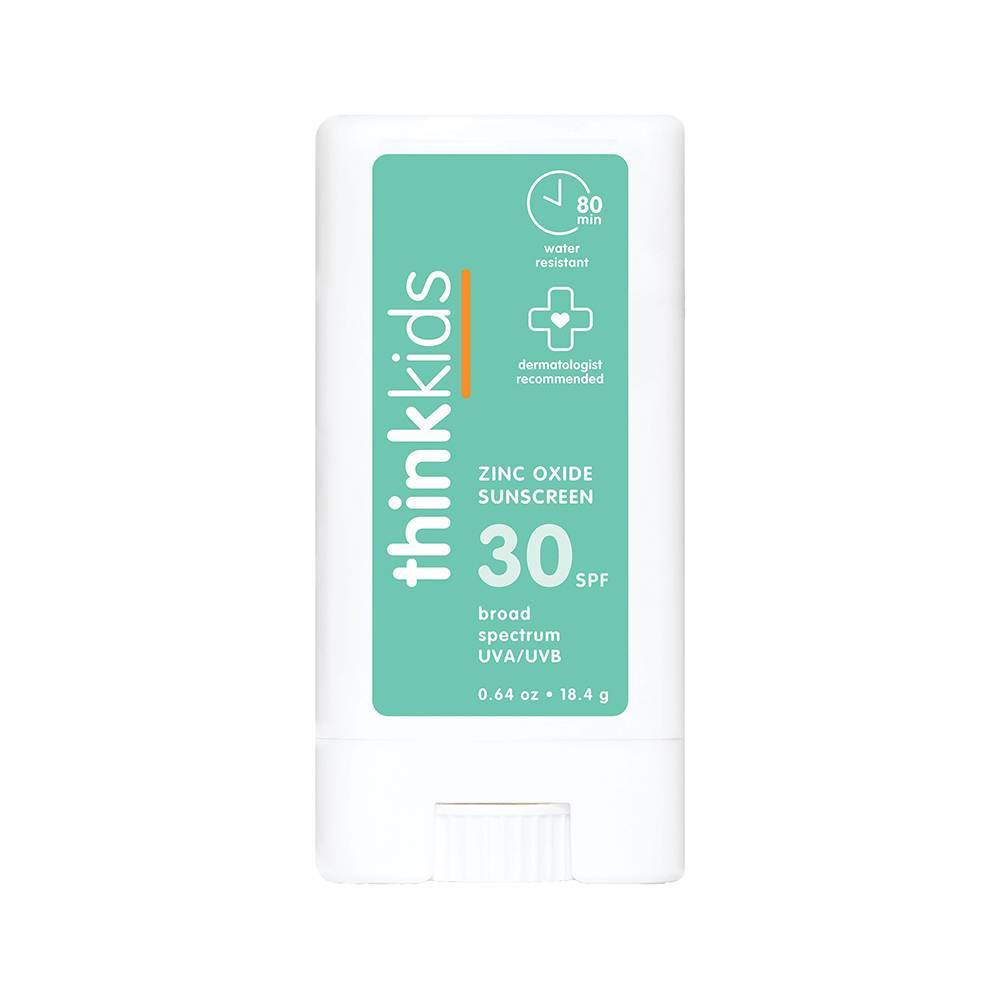
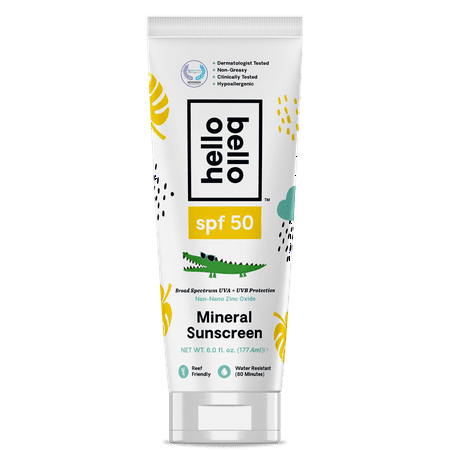
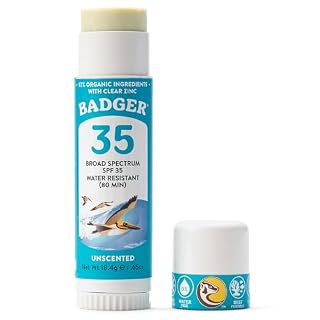

Avene Mineral Sunscreen SPF 50 Stick - 0.5 oz
Analysis updated September 2026 · How Scout scores
At a glance
Summary
This mineral sunscreen stick features zinc oxide as its active ingredient, providing effective broad-spectrum UV protection without the risks associated with chemical filters. The formulation includes beneficial emollients like Caprylic/Capric Triglyceride and Jojoba Esters, which are derived from natural sources and help moisturize the skin. The absence of synthetic fragrances and harmful additives contributes to its high rating, making it a safe choice for sensitive skin.
Key ingredients 6
Jojoba EstersVery Good
Jojoba esters are derived from jojoba oil and are used as emollients in skincare products. They mimic the skin's natural oils, providing hydration and a non-greasy feel. They are highly stable and non-comedogenic.
Risks
There are minimal risks associated with jojoba esters, making them suitable for most skin types.
Benefits
They are beneficial for their moisturizing properties and ability to enhance skin barrier function.
Zinc oxideGood
Zinc oxide is a mineral sunscreen agent that provides broad-spectrum UV protection. It is considered safe and effective for sensitive skin. It is often used in physical sunscreens due to its ability to reflect UV rays.
Risks
There are minimal risks associated with zinc oxide, though it can leave a white cast on the skin.
Benefits
Zinc oxide is beneficial for its non-irritating properties and effectiveness in protecting against both UVA and UVB rays.
Caprylic/Capric TriglycerideGood
Caprylic/Capric Triglyceride is derived from coconut oil and glycerin, and is used as an emollient. It helps to moisturize and replenish the skin without leaving a greasy residue. It is well-tolerated by most skin types.
Risks
There are minimal risks, though it may cause breakouts in very sensitive or acne-prone skin.
Benefits
It is beneficial for its moisturizing properties and ability to improve the spreadability of products.
Helianthus Annuus (Sunflower) Seed WaxNeutral
Sunflower seed wax is used as a thickening agent and emollient in cosmetic formulations. It helps to stabilize the product and provide a smooth application. It is derived from sunflower seeds and is generally considered safe.
Risks
There are minimal risks associated with sunflower seed wax, though it may cause irritation in individuals with seed allergies.
Benefits
It provides a smooth texture and helps to lock in moisture, enhancing the product's feel on the skin.
C12-15 Alkyl BenzoateNeutral
C12-15 Alkyl Benzoate is an ester used as an emollient and texture enhancer in cosmetics. It provides a silky feel and helps to reduce greasiness. It is generally well-tolerated by the skin.
Risks
There are minimal risks, though it may cause irritation in sensitive skin types.
Benefits
It improves the texture and feel of the product, making it more pleasant to apply.
Octyldodecyl NeopentanoateNeutral
Octyldodecyl Neopentanoate is an ester used as an emollient and skin conditioning agent. It provides a silky, smooth feel and enhances the spreadability of products. It is generally considered safe for use in cosmetics.
Risks
There are minimal risks, though it may cause irritation in very sensitive skin.
Benefits
It improves the texture and application of the product, contributing to a pleasant user experience.
Get the full breakdown in the Scout appTake Scout shopping
Scan any product to see lab results, healthy alternatives, and your personalized analysis.
Download on theApp Store GET IT ONGoogle Play