


At a glance
Summary
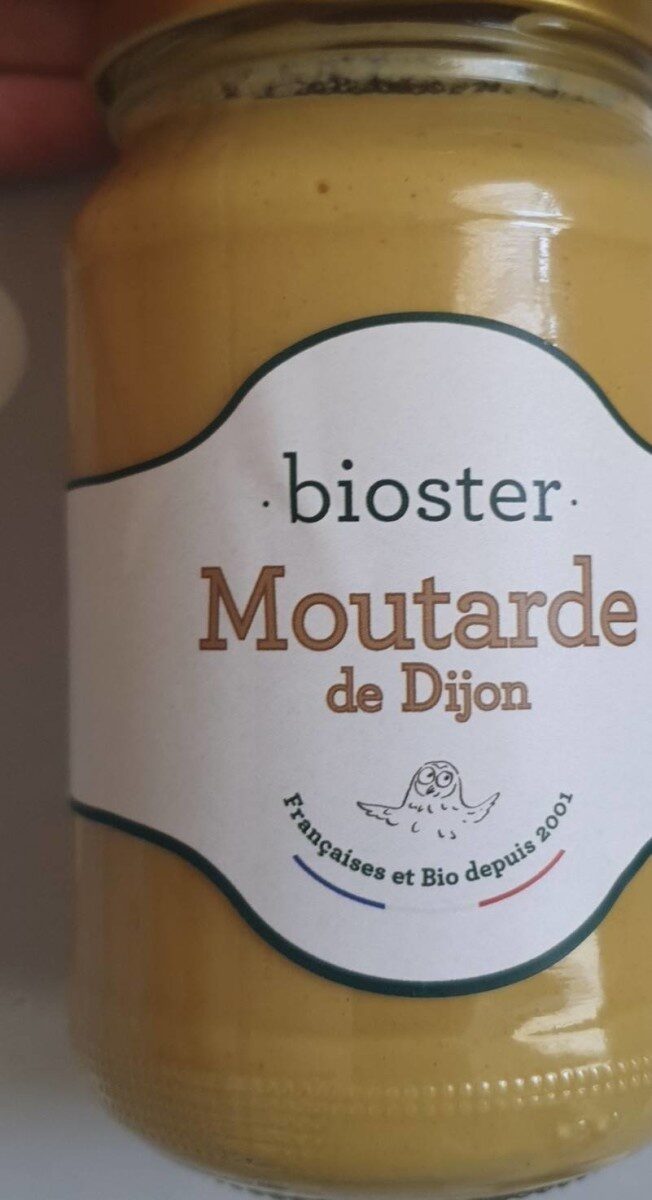
This Dijon mustard is made with organic mustard seeds, water, grain vinegar, and sea salt, which are all high-quality ingredients. The use of organic components and the absence of artificial additives or seed oils contribute positively to its health profile. Although it is processed, the clean ingredient list and minimal additives allow it to achieve a high score within its category.
Key ingredients 4
Mustard seedsGood
Mustard seeds are a good source of antioxidants and have anti-inflammatory properties. They are rich in minerals such as selenium and magnesium, which support metabolic health. The organic origin indicates a higher quality with fewer pesticides.
Risks
Mustard seeds can cause allergic reactions in some individuals.
Benefits
Rich in antioxidants and minerals, supporting overall health and reducing inflammation.
Sea saltGood
Sea salt is a natural source of sodium and trace minerals, offering a more complex flavor profile than refined salt. It is minimally processed, retaining beneficial minerals. The use of sea salt indicates a preference for natural ingredients.
Risks
High sodium intake can contribute to hypertension and cardiovascular issues if consumed in excess.
Benefits
Contains trace minerals that can support electrolyte balance and overall health.
WaterNeutral
Water is a neutral ingredient that serves as a base or solvent in many food products. It does not contribute significant nutritional value but is essential for consistency and texture. In this product, it helps to blend other ingredients smoothly.
See more about Water →Grain vinegarNeutral
Grain vinegar is used for its acidic properties, which enhance flavor and act as a preservative. It is made through the fermentation of grains, which can vary in nutritional content. The organic certification suggests a cleaner production process.
Risks
Excessive consumption may lead to digestive discomfort due to its acidity.
Benefits
Provides flavor enhancement and preservation without significant nutritional benefits.
Processing
Processed Foods
Get the full breakdown in the Scout appTake Scout shopping
Scan any product to see lab results, healthy alternatives, and your personalized analysis.
Download on theApp Store GET IT ONGoogle Play