
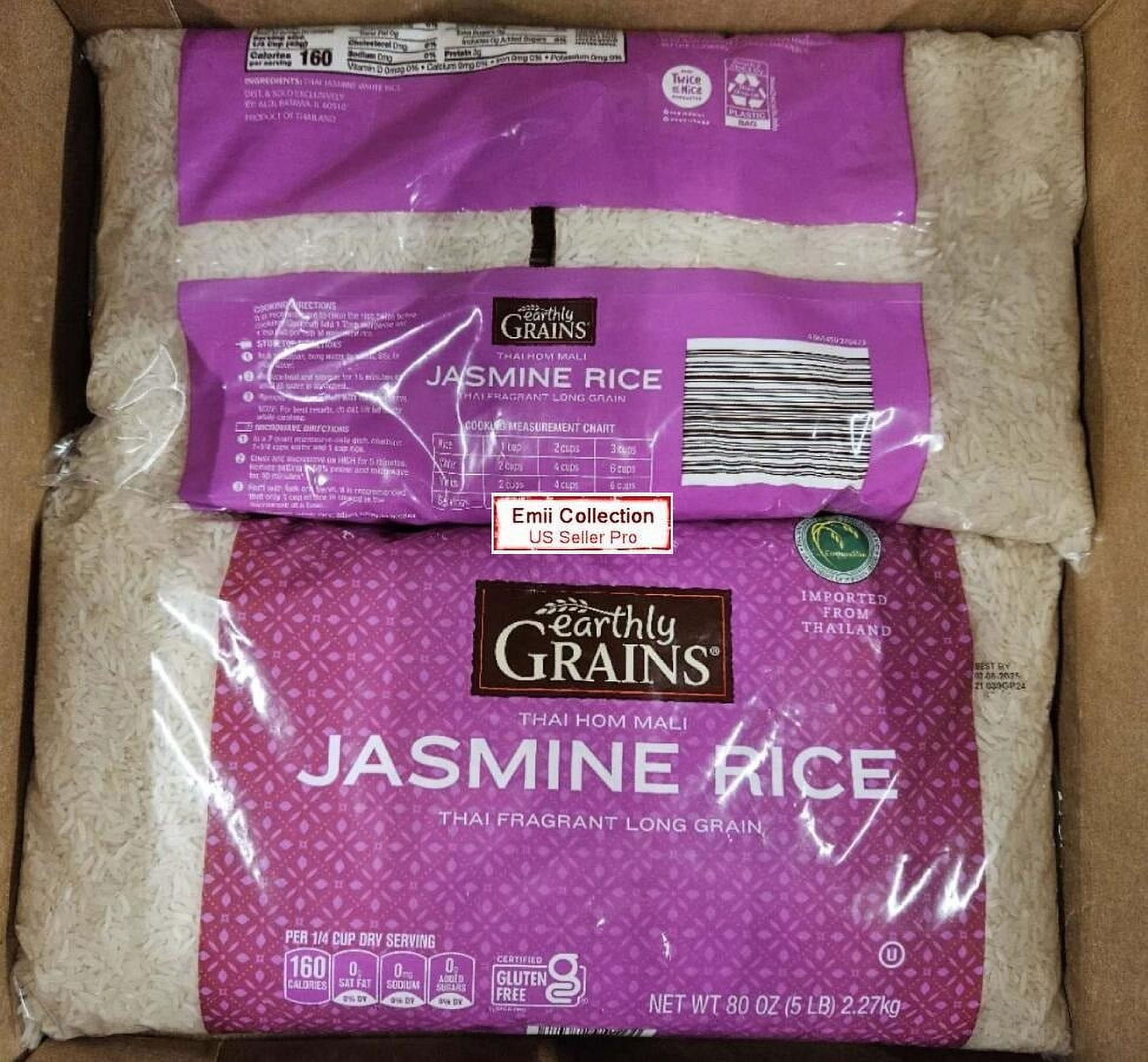
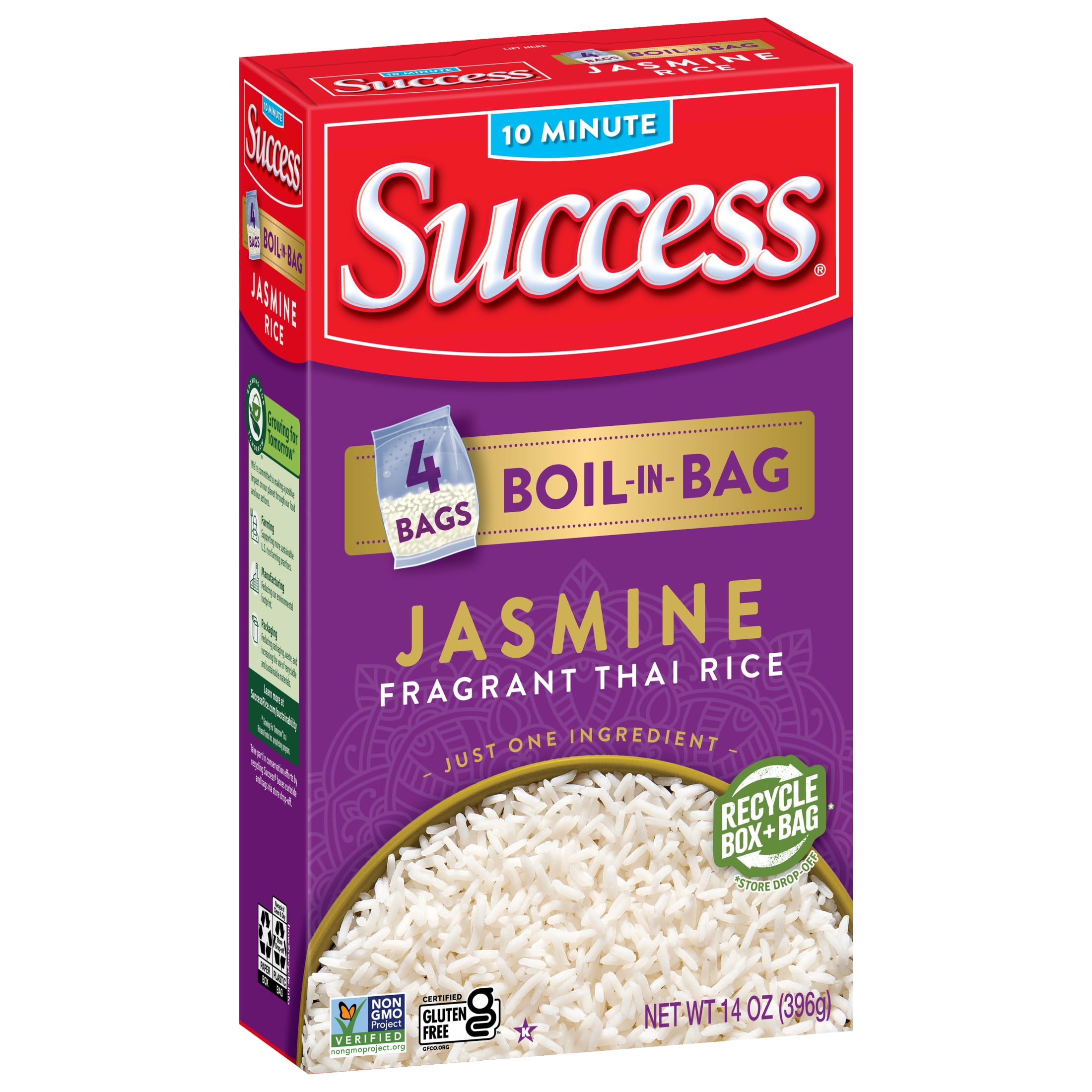
Jasmine Rice
Summary
This jasmine rice dish includes high-quality ingredients such as olive oil and green peas, which contribute beneficial nutrients and healthy fats. The product is moderately processed, but the ingredient list is clean, with no harmful additives or seed oils. The presence of butter and olive oil enhances the nutritional profile, making it a healthy option within its category.
At a glance
Key ingredients 8
Jasmine RiceNeutral
Jasmine rice is a type of long-grain rice known for its fragrant aroma and soft texture. It is a staple carbohydrate source, providing energy primarily through its starch content. While it lacks significant micronutrients, it serves as a versatile base for many dishes.
Benefits
Provides a source of carbohydrates for energy and is low in fat and sodium.
WaterNeutral
Water is used in cooking to hydrate and soften the rice, making it palatable and digestible. It is a necessary component in the cooking process but does not contribute nutritional value. Its role is purely functional in this context.
Benefits
Essential for cooking and hydration of rice, but no direct nutritional benefits.
SaltNeutral
Salt is used to enhance the flavor of the dish. It is a common seasoning but should be consumed in moderation to avoid health issues like hypertension. In this context, it is used sparingly to balance flavors.
Risks
Excessive consumption can lead to high blood pressure and cardiovascular issues.
Benefits
Enhances flavor and can help in preserving food.
ButterGood
Butter adds richness and flavor to the dish, providing a source of saturated fats. It contains fat-soluble vitamins like A, D, E, and K. When used in moderation, it can enhance the taste and texture of foods.
Risks
High in saturated fats, which can contribute to heart disease if consumed in excess.
Benefits
Provides fat-soluble vitamins and enhances flavor and texture.
Olive OilVery Good
Olive oil is a high-quality monounsaturated fat with anti-inflammatory properties. It contains antioxidants that support heart health and is often cold-pressed to preserve beneficial compounds. Its inclusion in the diet is associated with numerous health benefits.
Benefits
Rich in monounsaturated fats that support heart health and provide anti-inflammatory properties.
Chopped OnionGood
Onions add flavor and aroma to dishes and are a source of vitamins and antioxidants. They contain compounds that may have anti-inflammatory and immune-boosting properties. Their inclusion enhances the nutritional profile of the dish.
Benefits
Provides vitamins, antioxidants, and may support immune health.
Green PeasGood
Green peas are a good source of plant-based protein and fiber, contributing to satiety and digestive health. They also provide essential vitamins and minerals, including vitamin K and folate. Their inclusion adds nutritional value and color to the dish.
Benefits
Rich in protein, fiber, and essential nutrients.
Bay LeafNeutral
Bay leaf is used to impart a subtle flavor and aroma to dishes during cooking. It is typically removed before serving and does not contribute significant nutritional value. Its role is primarily for flavor enhancement.
Benefits
Enhances flavor and aroma of dishes.
Processing
Processed Culinary Ingredients
Get the full breakdown in the Scout app
Scan any product to see lab results, healthy alternatives, and your personalized analysis.
Download on theApp Store