



At a glance
Summary
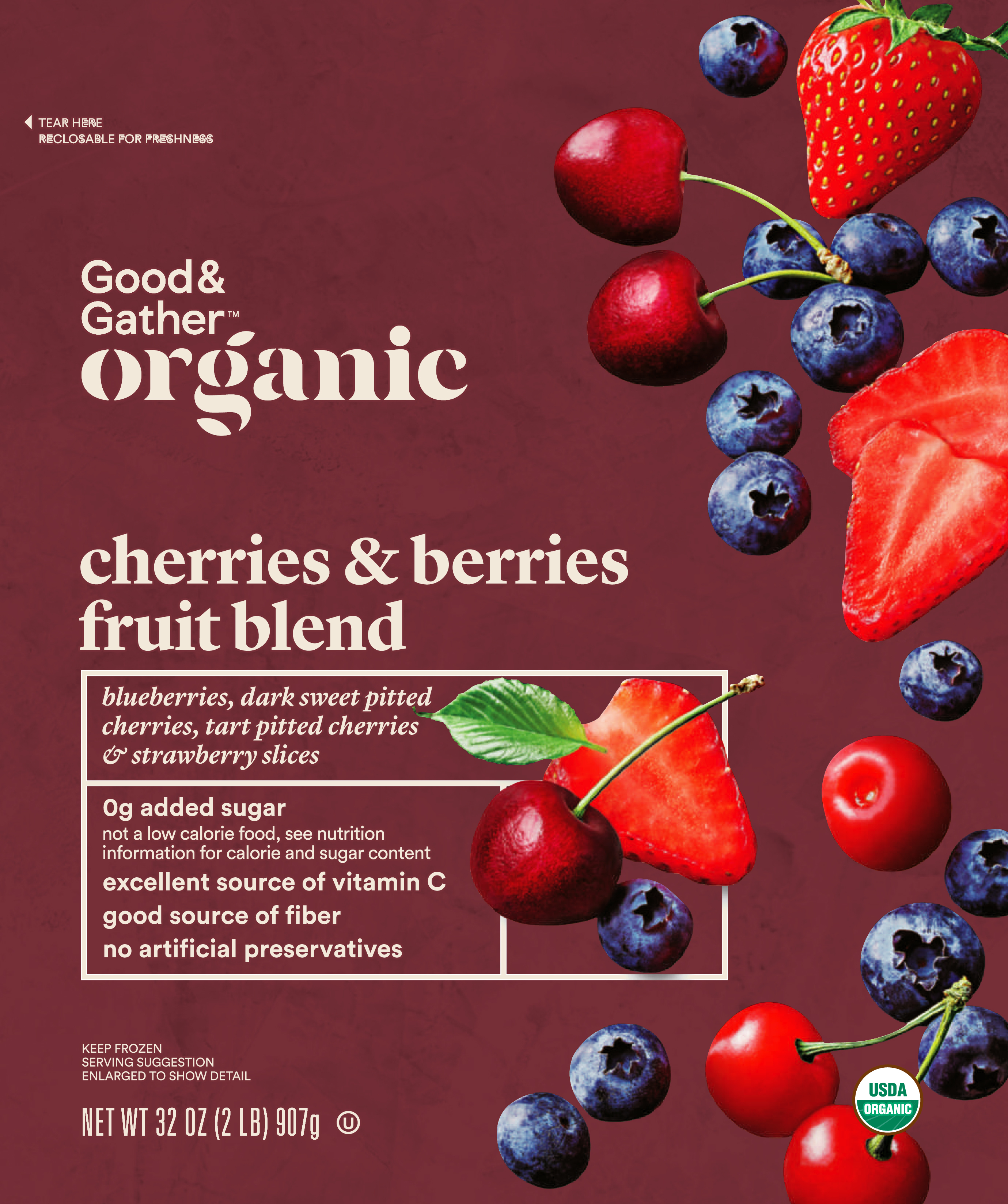
This product consists of a mix of minimally processed berries, including red and black currants, strawberries, raspberries, blackberries, and cultivated blueberries. These fruits are rich in vitamins, antioxidants, and fiber, contributing to their high nutritional value. The product's clean ingredient list and minimal processing level make it an excellent choice for health-conscious consumers.
Key ingredients 6
Red CurrantsVery Good
Red currants are rich in vitamin C and antioxidants, which support immune function and reduce oxidative stress. They are minimally processed and retain their natural nutrients. Their tart flavor indicates a high level of beneficial phytonutrients.
Benefits
High in vitamin C and antioxidants, supporting immune health and reducing oxidative stress.
Black CurrantsVery Good
Black currants are known for their high vitamin C content and anthocyanins, which have anti-inflammatory properties. They are consumed in their whole form, preserving their nutritional integrity. Their deep color is indicative of a high antioxidant content.
Benefits
Rich in vitamin C and anthocyanins, providing anti-inflammatory and antioxidant benefits.
StrawberriesVery Good
Strawberries are a good source of vitamin C, manganese, and various antioxidants. They are consumed fresh, which helps retain their nutritional value. Their bright red color is a sign of high anthocyanin content.
Benefits
Provides vitamin C and antioxidants, supporting immune health and reducing inflammation.
RaspberriesVery Good
Raspberries are high in dietary fiber and vitamin C, promoting digestive health and immune function. They are minimally processed, maintaining their natural nutrient profile. Their rich color indicates a high level of beneficial antioxidants.
Benefits
High in fiber and vitamin C, supporting digestive health and immune function.
BlackberriesVery Good
Blackberries are rich in vitamins C and K, as well as fiber and antioxidants. They are consumed in their natural form, preserving their health benefits. Their dark color is indicative of a high anthocyanin content.
Benefits
Provides vitamins C and K, fiber, and antioxidants, supporting overall health.
Cultivated BlueberriesVery Good
Cultivated blueberries are high in antioxidants, particularly anthocyanins, which support heart health and cognitive function. They are minimally processed, retaining their beneficial compounds. Their blue color is a sign of high antioxidant levels.
Benefits
Rich in antioxidants, supporting heart health and cognitive function.
Processing
Unprocessed or Minimally Processed Foods
Get the full breakdown in the Scout appTake Scout shopping
Scan any product to see lab results, healthy alternatives, and your personalized analysis.
Download on theApp Store GET IT ONGoogle Play