
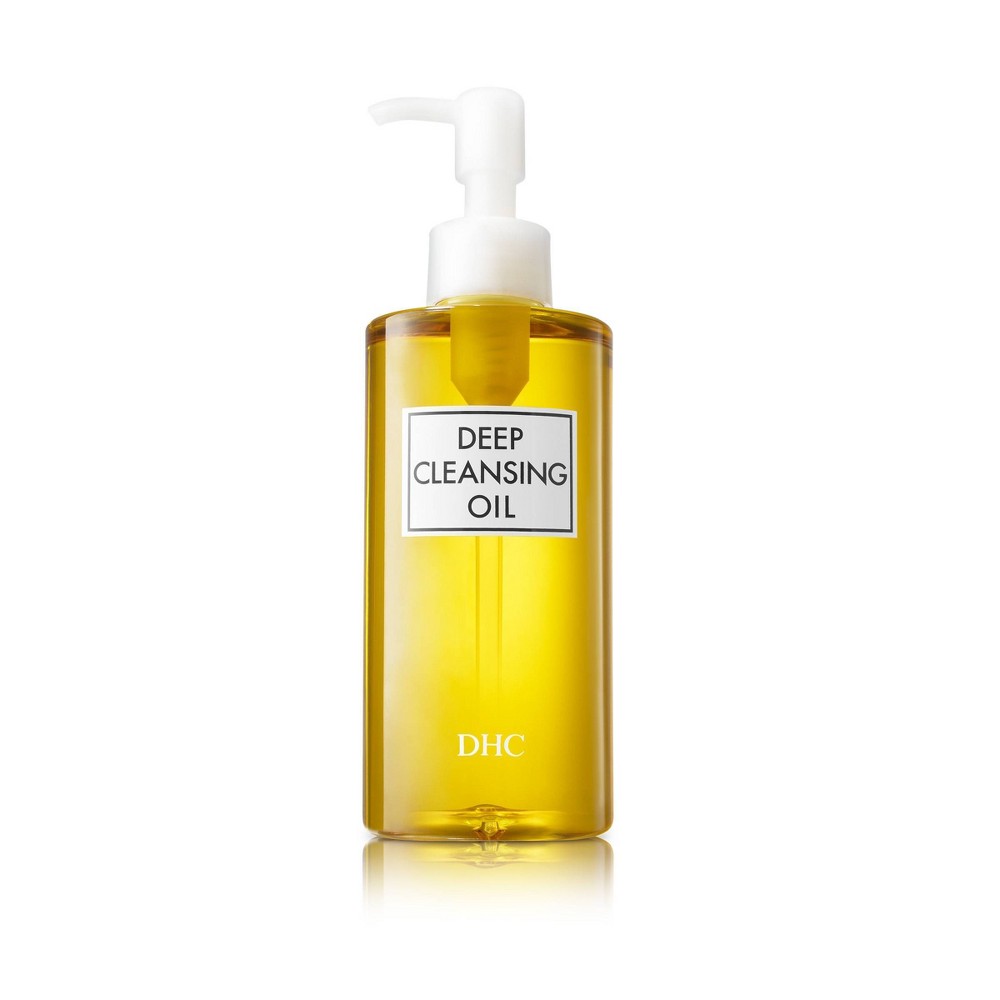
DHC Deep Cleansing Oil Facial Make Up Remover - 6.7 fl oz: For Normal, Oily, Combination, Sensitive, Mature Skin, No Fragrance Added
Analysis updated August 2026 · How Scout scores
At a glance
Summary
This product features a blend of beneficial natural ingredients such as olive oil, which is rich in antioxidants and moisturizing properties, and rosemary leaf oil, known for its antimicrobial benefits. However, the presence of phenoxyethanol, a synthetic preservative that can be irritating to the skin, slightly lowers the score. The overall formulation is relatively clean, with minimal processing and no major harmful chemicals, making it a good choice for skincare.
Key ingredients 8
Olea Europaea (Olive) Fruit OilVery Good
Olive oil is a natural oil known for its moisturizing properties and is rich in antioxidants. It helps to nourish and hydrate the skin, making it a beneficial ingredient in skincare products.
Risks
There are minimal risks associated with olive oil, though it may cause breakouts in very oily skin types.
Benefits
It provides deep hydration and helps to maintain the skin's natural barrier.
TocopherolVery Good
Tocopherol, or Vitamin E, is a powerful antioxidant that helps protect the skin from free radical damage. It also has moisturizing and anti-inflammatory properties.
Risks
There are minimal risks, though it may cause irritation in very sensitive skin.
Benefits
It supports skin health by providing antioxidant protection and improving hydration.
Caprylic/Capric TriglycerideGood
This ingredient is derived from coconut oil and glycerin, and is used for its skin-replenishing and moisturizing properties. It is lightweight and non-greasy, making it suitable for all skin types.
Risks
There are minimal risks, though it may cause irritation in very sensitive skin.
Benefits
It helps to smooth and soften the skin without clogging pores.
Stearyl GlycyrrhetinateGood
Stearyl Glycyrrhetinate is derived from licorice root and is known for its anti-inflammatory and soothing properties. It is often used to calm irritated skin.
Risks
There are minimal risks, though it may cause irritation in very sensitive skin.
Benefits
It helps to reduce redness and soothe sensitive skin.
Rosmarinus Officinalis (Rosemary) Leaf OilGood
Rosemary leaf oil is a natural ingredient with antioxidant and antimicrobial properties. It is used to improve skin health and preserve the product.
Risks
There are minimal risks, though it may cause irritation in very sensitive skin.
Benefits
It provides antioxidant protection and helps to maintain product freshness.
Sorbeth-30 TetraoleateNeutral
Sorbeth-30 Tetraoleate is an emulsifier that helps to blend oil and water-based ingredients. It is generally considered safe for use in cosmetics.
Risks
There are minimal risks, though it may cause irritation in sensitive individuals.
Benefits
It aids in the stability and consistency of the product formulation.
Pentylene GlycolNeutral
Pentylene Glycol is a synthetic humectant that helps to retain moisture in the skin. It also has antimicrobial properties, which can help preserve the product.
Risks
There are minimal risks, though it may cause irritation in very sensitive skin.
Benefits
It enhances the skin's moisture retention and improves product shelf life.
PhenoxyethanolBad
Phenoxyethanol is a synthetic preservative used to prevent microbial growth in cosmetics. It is considered safe in low concentrations but can be irritating to the skin.
Risks
It may cause skin irritation and allergic reactions in sensitive individuals.
Benefits
It helps to preserve the product and extend its shelf life.
Processing
Processed Foods
Get the full breakdown in the Scout appTake Scout shopping
Scan any product to see lab results, healthy alternatives, and your personalized analysis.
Download on theApp Store GET IT ONGoogle PlayAmazon pricing & content
Amazon price as of . Product prices and availability are accurate as of the date/time indicated and are subject to change. Any price and availability information displayed on Amazon.com at the time of purchase will apply to the purchase of this product.
CERTAIN CONTENT THAT APPEARS ON THIS SITE COMES FROM AMAZON. THIS CONTENT IS PROVIDED “AS IS” AND IS SUBJECT TO CHANGE OR REMOVAL AT ANY TIME.