
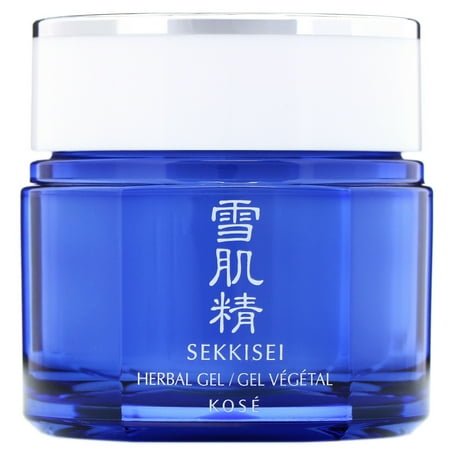
Sekkisei Herbal Gel, 2.8 oz (79 ml)
Summary
This face wash contains beneficial botanical extracts like Job's Tears, Angelica, and Licorice Root, which are known for their soothing and skin-nourishing properties. However, the presence of alcohol and synthetic polymers such as acrylates and carbomer, along with the processed nature of the product, lowers its overall safety profile. The inclusion of disodium EDTA, a chelating agent, also contributes to a moderate processing level, impacting the score negatively.
At a glance
Key ingredients 14
Water (Aqua)
Water is a universal solvent and is used as a base in many cosmetic formulations. It helps dissolve other ingredients and provides hydration. It is essential for the consistency and application of the product.
Risks
There are no significant risks associated with water in cosmetics.
Benefits
Water hydrates the skin and helps in the absorption of other beneficial ingredients.
Glycerin
Glycerin is a humectant that attracts moisture to the skin, helping to keep it hydrated. It is commonly used in skincare products for its moisturizing properties. It also helps to improve the skin barrier function.
Risks
Glycerin is generally safe, but in very high concentrations, it may cause irritation.
Benefits
Glycerin helps maintain skin hydration and improves skin texture.
Butylene Glycol
Butylene Glycol is a conditioning agent that helps to retain moisture in the skin. It also acts as a solvent and improves the texture of the product. It is widely used in cosmetics for its ability to enhance the penetration of other ingredients.
Risks
In rare cases, Butylene Glycol can cause skin irritation or allergic reactions.
Benefits
It enhances skin hydration and improves the texture and spreadability of the product.
Cetyl Ethylhexanoate
Cetyl Ethylhexanoate is an emollient that provides a smooth and soft feel to the skin. It helps to improve the spreadability of the product. It is often used in cosmetics for its lightweight and non-greasy texture.
Risks
There are minimal risks, but it can cause mild irritation in sensitive individuals.
Benefits
It provides a silky feel and helps to soften and smooth the skin.
Alcohol
Alcohol is used as a solvent and can help other ingredients penetrate the skin. It also acts as a preservative to extend the shelf life of the product. However, it can be drying to the skin.
Risks
Alcohol can cause dryness and irritation, especially in sensitive skin types.
Benefits
It helps in the absorption of active ingredients and acts as a preservative.
Dipentaerythrityl
Dipentaerythrityl is used as a stabilizer and thickening agent in cosmetics. It helps to maintain the consistency and texture of the product. It is generally considered safe for use in skincare products.
Risks
There are no significant risks associated with Dipentaerythrityl.
Benefits
It stabilizes the formulation and enhances the texture of the product.
Job's Tears Extract
Job's Tears Extract is a botanical ingredient known for its soothing and anti-inflammatory properties. It is used in skincare for its ability to calm irritated skin. It also provides antioxidant benefits.
Risks
There are minimal risks, but it may cause allergic reactions in some individuals.
Benefits
It soothes the skin and provides antioxidant protection.
Angelica Extract
Angelica Extract is a plant-derived ingredient with antioxidant and anti-inflammatory properties. It is used in cosmetics for its ability to protect the skin from environmental stressors. It also helps to improve skin tone and texture.
Risks
There are minimal risks, but it may cause sensitivity in some individuals.
Benefits
It provides antioxidant benefits and helps to improve skin health.
Mugwort Extract
Mugwort Extract is known for its soothing and anti-inflammatory properties. It is used in skincare to calm and protect sensitive skin. It also has antimicrobial benefits.
Risks
There are minimal risks, but it may cause allergic reactions in sensitive individuals.
Benefits
It soothes irritated skin and provides antimicrobial protection.
Licorice Root Extract
Licorice Root Extract is used for its skin-brightening and anti-inflammatory properties. It helps to reduce redness and pigmentation in the skin. It is a popular ingredient in skincare for its soothing effects.
Risks
There are minimal risks, but it may cause irritation in some individuals.
Benefits
It brightens the skin and reduces inflammation.
Acrylates
Acrylates are used as film-forming agents and thickeners in cosmetics. They help to improve the texture and application of the product. They are generally considered safe for use in skincare.
Risks
Acrylates can cause skin irritation in sensitive individuals.
Benefits
They enhance the texture and stability of the product.
Carbomer
Carbomer is a thickening agent used to create gel-like textures in cosmetics. It helps to stabilize emulsions and improve the consistency of the product. It is widely used for its ability to provide a smooth application.
Risks
Carbomer is generally safe, but it can cause mild irritation in some individuals.
Benefits
It provides a smooth texture and stabilizes the formulation.
Disodium EDTA
Disodium EDTA is a chelating agent that helps to stabilize cosmetic formulations. It binds to metal ions and prevents them from affecting the stability and appearance of the product. It is commonly used to enhance the efficacy of preservatives.
Risks
Disodium EDTA can cause skin irritation in sensitive individuals.
Benefits
It stabilizes the product and enhances preservative efficacy.
Sodium
Sodium is often used in cosmetics as a pH adjuster or stabilizer. It helps to maintain the stability and effectiveness of the product. It is generally considered safe for use in skincare.
Risks
There are minimal risks associated with sodium in cosmetics.
Benefits
It helps to stabilize the formulation and maintain product efficacy.
Processing
Processed Foods
Get the full breakdown in the Scout app
Scan any product to see lab results, healthy alternatives, and your personalized analysis.
Download on theApp Store