


At a glance
Summary
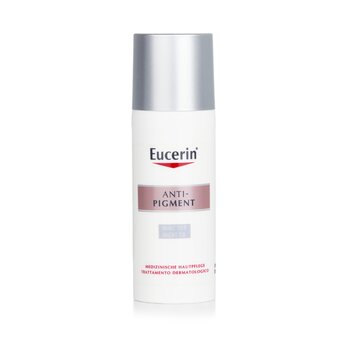
This night cream contains beneficial ingredients like glycerin, squalane, and shea butter, which provide excellent moisturizing and skin-soothing properties. However, the presence of denatured alcohol as a top ingredient can be drying and irritating, and the inclusion of parfum and phenoxyethanol raises concerns about potential skin irritation and allergenic reactions. The product's formulation is a mix of beneficial and potentially harmful components, impacting its overall safety profile.
Key ingredients 24
SqualaneVery Good
Squalane is a highly effective emollient and natural antioxidant. It mimics the skin's natural oils, making it an excellent moisturizer.
Risks
There are no significant risks associated with squalane.
Benefits
It helps to hydrate and protect the skin, improving its elasticity and texture.
PanthenolVery Good
Panthenol, or provitamin B5, is known for its moisturizing and anti-inflammatory properties. It helps to improve skin hydration and reduce irritation.
Risks
There are minimal risks, though it may cause mild irritation in rare cases.
Benefits
It enhances skin barrier function and soothes irritated skin.
Butyrospermum Parkii ButterVery Good
Also known as shea butter, it is a natural fat extracted from the nuts of the shea tree. It is highly moisturizing and rich in vitamins A and E.
Risks
There are minimal risks, though it may cause allergic reactions in individuals with nut allergies.
Benefits
It deeply moisturizes the skin and provides anti-inflammatory benefits.
Glycyrrhiza Inflata Root ExtractVery Good
This extract is known for its anti-inflammatory and skin-soothing properties. It is effective in reducing redness and irritation.
Risks
There are minimal risks, though it may cause mild irritation in rare cases.
Benefits
It helps to calm and soothe irritated skin, improving overall skin comfort.
TocopherolVery Good
Tocopherol, or Vitamin E, is a powerful antioxidant that helps to protect the skin from free radical damage. It is also moisturizing and skin-conditioning.
Risks
There are minimal risks, though it may cause mild irritation in sensitive skin.
Benefits
It helps to protect and nourish the skin, improving its resilience and appearance.
GlycerinGood
Glycerin is a humectant that attracts moisture to the skin, helping to keep it hydrated. It is widely used in skincare for its ability to improve skin barrier function.
Risks
There are minimal risks associated with glycerin, though it may cause irritation in very sensitive skin.
Benefits
Glycerin helps to maintain skin hydration and improve skin texture.
AquaNeutral
Aqua, or water, is a common solvent used in cosmetics to dissolve other ingredients. It is essential for the formulation but does not provide active benefits or risks on its own.
Risks
There are no inherent risks associated with water in cosmetic formulations.
Benefits
Water helps to hydrate the skin by providing moisture.
Isopropyl PalmitateNeutral
Isopropyl Palmitate is an emollient that helps to soften and smooth the skin. It is commonly used in cosmetics for its ability to enhance the texture of products.
Risks
It may cause acne or irritation in some individuals with sensitive skin.
Benefits
It provides a smooth application and helps to lock in moisture.
Cetearyl IsononanoateNeutral
Cetearyl Isononanoate is an emollient that provides a silky feel to the skin. It is used to improve the texture and spreadability of cosmetic products.
Risks
There are minimal risks, though it may cause mild irritation in sensitive individuals.
Benefits
It enhances the sensory feel of products and helps to moisturize the skin.
Glyceryl Stearate CitrateNeutral
Glyceryl Stearate Citrate is an emulsifier that helps to blend oil and water-based ingredients. It is commonly used to stabilize cosmetic formulations.
Risks
There are minimal risks associated with this ingredient.
Benefits
It helps to maintain the consistency and stability of products.
Cetearyl AlcoholNeutral
Cetearyl Alcohol is a fatty alcohol used as an emollient and thickener in cosmetics. It is not drying like other alcohols and helps to soften the skin.
Risks
There are minimal risks, though it may cause mild irritation in sensitive individuals.
Benefits
It provides a creamy texture and helps to lock in moisture.
GlyceridesNeutral
Glycerides are used as emollients and emulsifiers in cosmetic formulations. They help to improve the texture and moisturizing properties of products.
Risks
There are minimal risks associated with glycerides.
Benefits
They help to enhance the skin's moisture retention and improve product texture.
MethylpropanediolNeutral
Methylpropanediol is a solvent and skin-conditioning agent. It is used to enhance the penetration of other ingredients.
Risks
There are minimal risks, though it may cause mild irritation in sensitive skin.
Benefits
It improves the efficacy of active ingredients by enhancing their absorption.
Isobutylamido Thiazolyl ResorcinolNeutral
This is a skin-brightening agent used to reduce hyperpigmentation. It is effective in improving skin tone and clarity.
Risks
There are minimal risks, though it may cause irritation in sensitive skin.
Benefits
It helps to even out skin tone and reduce the appearance of dark spots.
GlucosylrutinNeutral
Glucosylrutin is an antioxidant that helps to protect the skin from oxidative stress. It is used to improve skin health and appearance.
Risks
There are minimal risks associated with this ingredient.
Benefits
It helps to enhance skin protection against environmental damage.
CarbomerNeutral
Carbomer is a thickening agent used to stabilize and control the viscosity of cosmetic formulations. It is widely used for its ability to create a smooth texture.
Risks
There are minimal risks, though it may cause mild irritation in sensitive skin.
Benefits
It helps to improve the consistency and application of products.
Chondrus Crispus ExtractNeutral
Also known as Irish moss, it is used as a thickening agent and skin conditioner. It provides a smooth texture and helps to hydrate the skin.
Risks
There are minimal risks associated with this ingredient.
Benefits
It helps to improve skin hydration and product texture.
Sodium HydroxideNeutral
Standard formulation ingredient — neither beneficial nor harmful at typical use.
Risks
It can cause skin irritation and dryness if not properly neutralized.
Benefits
It helps to maintain the stability and efficacy of the product by balancing pH.
IsoquercitrinNeutral
Isoquercitrin is a flavonoid with antioxidant properties. It is used to protect the skin from oxidative stress and improve skin health.
Risks
There are minimal risks associated with this ingredient.
Benefits
It helps to enhance skin protection against environmental damage.
Trisodium EDTANeutral
Trisodium EDTA is a chelating agent that helps to stabilize cosmetic formulations by binding metal ions. It is commonly used to improve product shelf life.
Risks
There are minimal risks, though it may cause mild irritation in sensitive skin.
Benefits
It helps to maintain product stability and prevent degradation.
Hydrogenated Coco-Lauroyl LysineNeutral
This ingredient is used as a conditioning agent and emulsifier in cosmetics. It helps to improve the texture and feel of products.
Risks
There are minimal risks associated with this ingredient.
Benefits
It enhances the sensory feel and application of products.
PhenoxyethanolBad
Phenoxyethanol is a preservative used to prevent microbial growth in cosmetics. It can be irritating to the skin and eyes, especially in high concentrations.
Risks
It can cause skin irritation and allergic reactions in sensitive individuals.
Benefits
It helps to preserve the product and extend its shelf life.
ParfumBad
Parfum, or fragrance, is used to add scent to cosmetic products. It can be irritating to the skin and is a common allergen.
Risks
It can cause skin irritation and allergic reactions, especially in sensitive individuals.
Benefits
It provides a pleasant scent to the product.
Alcohol Denat.Very Bad
Denatured alcohol is used as a solvent and astringent in cosmetics. It can be drying and irritating to the skin, especially in high concentrations.
Risks
It can strip the skin of natural oils, leading to dryness and irritation.
Benefits
It helps to improve the absorption of other ingredients.
Get the full breakdown in the Scout appTake Scout shopping
Scan any product to see lab results, healthy alternatives, and your personalized analysis.
Download on theApp Store GET IT ONGoogle Play