
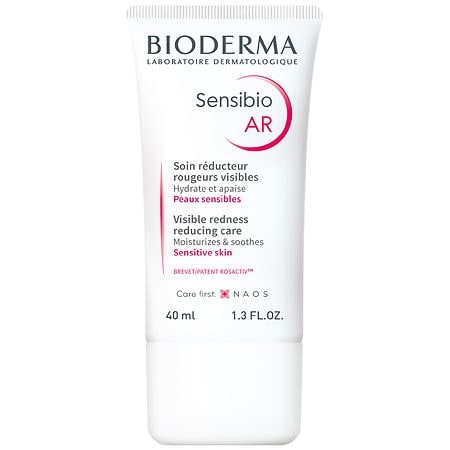
Bioderma Sensibio AR Redness Reducing Cream - 1.3 fl oz: Noncomedogenic, Paraben-Free, Moisturizing, Sensitive Skin
Analysis updated September 2026 · How Scout scores
At a glance
Summary
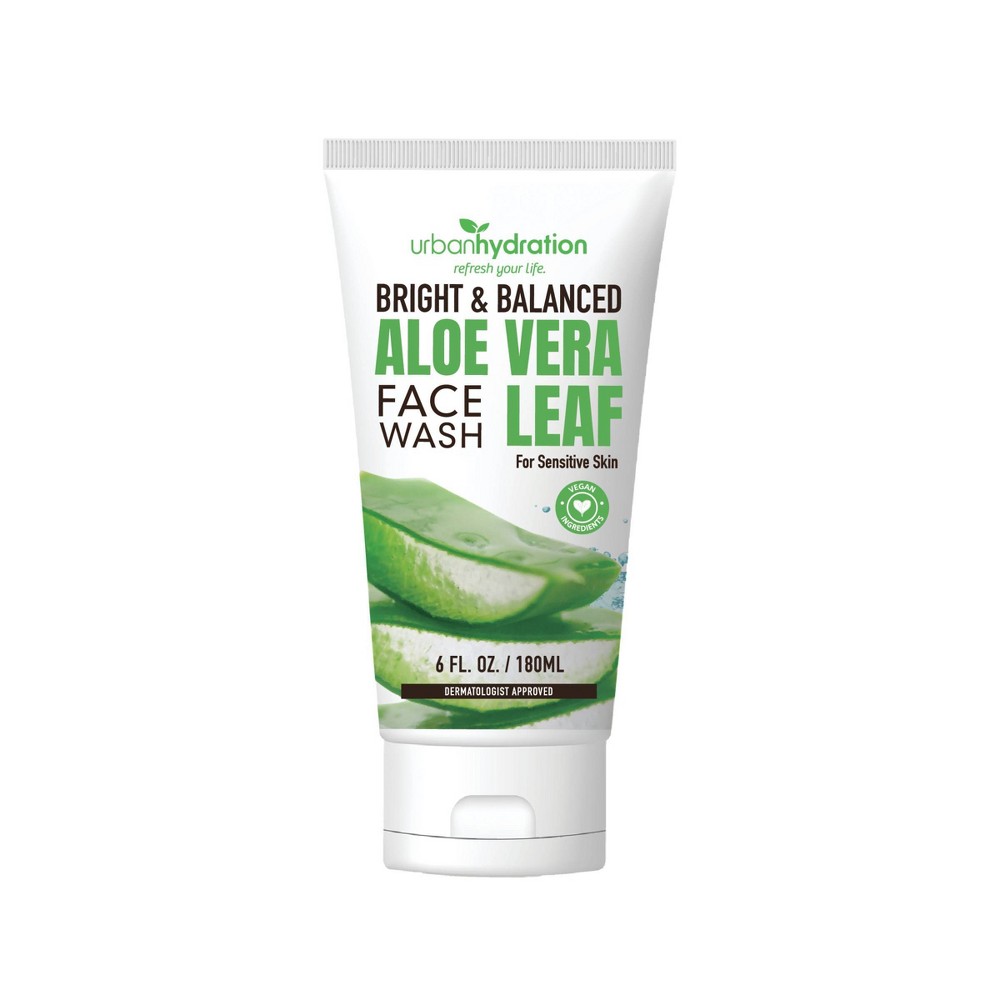
This face wash contains beneficial ingredients like glycerin, caprylic/capric triglyceride, and allantoin, which are known for their moisturizing and soothing properties. However, the presence of mineral oil, which carries contamination risks, and PEG compounds, which are synthetic emulsifiers, lowers the overall ingredient safety score. The product is mostly safe but includes some synthetic components that prevent it from achieving a higher rating.
Key ingredients 29
AllantoinVery Good
Allantoin is known for its soothing and skin-protecting properties. It helps to calm irritated skin and promote healing. It is widely used in products for sensitive skin due to its gentle nature.
Risks
There are minimal risks associated with allantoin.
Benefits
It soothes and protects the skin, promoting healing.
Camellia Sinensis Leaf ExtractVery Good
Camellia Sinensis Leaf Extract, also known as green tea extract, is rich in antioxidants and has anti-inflammatory properties. It helps to protect the skin from environmental damage and soothe irritation. It is highly beneficial for sensitive and aging skin.
Risks
There are minimal risks associated with this ingredient.
Benefits
It provides antioxidant protection and soothes irritated skin.
GlycerinGood
Glycerin is a humectant that attracts moisture to the skin, helping to keep it hydrated. It is well-tolerated by most skin types and enhances the skin's natural barrier function. It is a common ingredient in moisturizers due to its effectiveness.
Risks
There are minimal risks associated with glycerin; it is generally safe.
Benefits
It helps to maintain skin hydration and improve skin barrier function.
Caprylic/Capric TriglycerideGood
Caprylic/Capric Triglyceride is derived from coconut oil and glycerin, used as an emollient and skin-repairing ingredient. It is lightweight and non-greasy, making it suitable for all skin types. It helps to replenish the skin's surface and resist moisture loss.
Risks
There are minimal risks associated with this ingredient.
Benefits
It provides skin-repairing benefits and enhances moisture retention.
Canola/Canola Oil/Huile De ColzaGood
Canola oil is a plant-derived oil rich in fatty acids and antioxidants. It is used as an emollient to moisturize and nourish the skin. It is generally well-tolerated and beneficial for dry skin.
Risks
There are minimal risks associated with canola oil.
Benefits
It provides moisturizing and antioxidant benefits to the skin.
FructooligosaccharidesGood
Fructooligosaccharides are prebiotics that support the skin's microbiome. They help to maintain a healthy balance of skin flora, which can enhance skin health. They are considered beneficial for sensitive skin.
Risks
There are minimal risks associated with this ingredient.
Benefits
They support the skin's microbiome and improve skin health.
Glycyrrhetinic AcidGood
Glycyrrhetinic Acid is derived from licorice root and is known for its anti-inflammatory and soothing properties. It helps to reduce redness and irritation in the skin. It is beneficial for sensitive and irritated skin.
Risks
There are minimal risks associated with this ingredient.
Benefits
It reduces redness and soothes irritated skin.
Glycine Soja (Soybean) Germ ExtractGood
Soybean Germ Extract is rich in antioxidants and is used for its skin conditioning properties. It helps to nourish and protect the skin from environmental damage. It is beneficial for maintaining healthy skin.
Risks
There are minimal risks associated with this ingredient.
Benefits
It provides antioxidant protection and nourishes the skin.
Laminaria Ochroleuca ExtractGood
Laminaria Ochroleuca Extract, derived from brown algae, is rich in antioxidants and minerals. It helps to protect the skin from environmental stressors and improve hydration. It is beneficial for maintaining healthy skin.
Risks
There are minimal risks associated with this ingredient.
Benefits
It provides antioxidant protection and improves skin hydration.
Ginkgo Biloba Leaf ExtractGood
Ginkgo Biloba Leaf Extract is rich in antioxidants and is used for its anti-inflammatory properties. It helps to protect the skin from oxidative stress and reduce redness. It is beneficial for sensitive and aging skin.
Risks
There are minimal risks associated with this ingredient.
Benefits
It provides antioxidant protection and reduces redness.
Aqua/Water/EauNeutral
Water is a common solvent used in cosmetics to dissolve other ingredients. It is essential for the formulation but does not provide direct skin benefits. It is generally considered safe and non-irritating.
Risks
There are no significant risks associated with water in cosmetics.
Benefits
Water helps to hydrate the skin by providing moisture.
Tridecyl TrimellitateNeutral
Tridecyl Trimellitate is an ester used as an emollient and skin conditioning agent. It helps to improve the texture and feel of the product. It is considered safe for use in cosmetics.
Risks
There are no significant risks associated with this ingredient.
Benefits
It provides a smooth application and enhances skin feel.
Glycol PalmitateNeutral
Glycol Palmitate is used as an emollient and thickening agent in cosmetics. It helps to improve the texture and stability of the product. It is generally considered safe for use.
Risks
There are no significant risks associated with this ingredient.
Benefits
It enhances the texture and stability of cosmetic formulations.
Triceteareth-4 PhosphateNeutral
Triceteareth-4 Phosphate is used as an emulsifier to stabilize formulations. It helps to blend oil and water components in cosmetics. It is considered safe for use in personal care products.
Risks
There are no significant risks associated with this ingredient.
Benefits
It stabilizes formulations and improves product consistency.
MannitolNeutral
Mannitol is a sugar alcohol used as a humectant and skin conditioning agent. It helps to retain moisture in the skin. It is generally considered safe for use in cosmetics.
Risks
There are no significant risks associated with mannitol.
Benefits
It helps to retain moisture and condition the skin.
XylitolNeutral
Xylitol is a sugar alcohol used as a humectant and skin conditioning agent. It helps to retain moisture and improve skin hydration. It is considered safe for use in cosmetics.
Risks
There are no significant risks associated with xylitol.
Benefits
It helps to improve skin hydration and moisture retention.
Glycol StearateNeutral
Glycol Stearate is used as an emulsifier and thickening agent in cosmetics. It helps to stabilize formulations and improve texture. It is generally considered safe for use.
Risks
There are no significant risks associated with this ingredient.
Benefits
It stabilizes formulations and enhances product texture.
Peg-2 StearateNeutral
Peg-2 Stearate is used as an emulsifier and surfactant in cosmetics. It helps to blend ingredients and improve product consistency. It is considered safe for use in personal care products.
Risks
There are no significant risks associated with this ingredient.
Benefits
It improves product consistency and emulsification.
Pentylene GlycolNeutral
Pentylene Glycol is used as a humectant and solvent in cosmetics. It helps to retain moisture and improve product texture. It is considered safe for use in personal care products.
Risks
There are no significant risks associated with this ingredient.
Benefits
It helps to retain moisture and improve product texture.
1,2-HexanediolNeutral
1,2-Hexanediol is used as a solvent and preservative booster in cosmetics. It helps to improve product stability and shelf life. It is considered safe for use in personal care products.
Risks
There are no significant risks associated with this ingredient.
Benefits
It improves product stability and shelf life.
Caprylyl GlycolNeutral
Caprylyl Glycol is used as a humectant and skin conditioning agent. It helps to retain moisture and improve skin hydration. It is considered safe for use in cosmetics.
Risks
There are no significant risks associated with this ingredient.
Benefits
It helps to retain moisture and improve skin hydration.
Xanthan GumNeutral
Xanthan Gum is used as a thickening agent and stabilizer in cosmetics. It helps to improve product texture and consistency. It is considered safe for use in personal care products.
Risks
There are no significant risks associated with this ingredient.
Benefits
It improves product texture and consistency.
RhamnoseNeutral
Rhamnose is a sugar molecule used for its skin conditioning properties. It helps to improve skin texture and hydration. It is considered safe for use in cosmetics.
Risks
There are no significant risks associated with rhamnose.
Benefits
It improves skin texture and hydration.
Sodium HydroxideNeutral
Sodium Hydroxide is used to adjust the pH of cosmetic formulations. It is used in very small amounts to ensure product stability. It is considered safe when used appropriately.
Risks
In high concentrations, it can be irritating, but it is used in safe amounts in cosmetics.
Benefits
It helps to maintain the stability and effectiveness of the product.
Citric AcidNeutral
Citric Acid is used to adjust the pH of cosmetic formulations and as a mild exfoliant. It helps to improve product stability and skin texture. It is considered safe for use in cosmetics.
Risks
In high concentrations, it can be irritating, but it is used in safe amounts in cosmetics.
Benefits
It helps to maintain product stability and improve skin texture.
Paraffinum Liquidum/Mineral Oil/Huile MineraleBad
Processed additive flagged under Scout's ingredient doctrine.
Risks
It may cause breakouts in some individuals with acne-prone skin.
Benefits
It provides a protective barrier on the skin to prevent moisture loss.
Propylene GlycolBad
Processed additive flagged under Scout's ingredient doctrine.
Risks
It may cause irritation in sensitive skin types.
Benefits
It helps to retain moisture and improve skin hydration.
Acrylates/C10-30 Alkyl Acrylate CrosspolymerBad
Processed additive flagged under Scout's ingredient doctrine.
Risks
There are no significant risks associated with this ingredient.
Benefits
It stabilizes formulations and enhances product texture.
Disodium EdtaBad
Processed additive flagged under Scout's ingredient doctrine.
Risks
There are no significant risks associated with this ingredient.
Benefits
It improves product stability and prevents degradation.
Get the full breakdown in the Scout appTake Scout shopping
Scan any product to see lab results, healthy alternatives, and your personalized analysis.
Download on theApp Store GET IT ONGoogle Play