
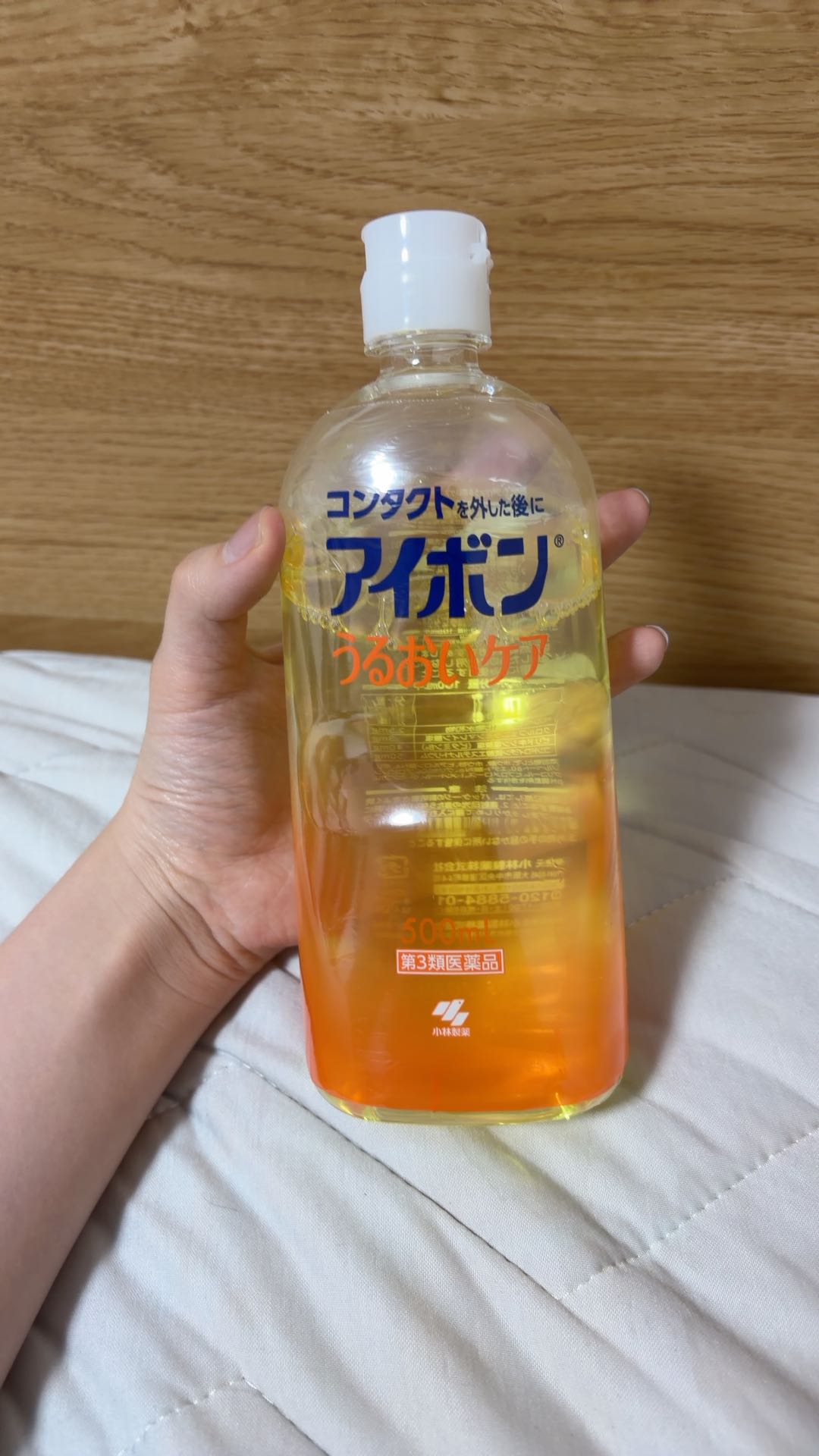

Kobayashi Japan Eyebon Moisture Care Eye Wash Liquid 500ml
Analysis updated June 2026 · How Scout scores
At a glance
Summary
This eye wash contains beneficial ingredients like sodium hyaluronate, glycerin, and allantoin, which provide moisturizing and soothing properties. However, the presence of boric acid, borax, and sodium edetate, which can be harmful if not carefully formulated, impacts the overall safety profile. The product's processing level and inclusion of synthetic compounds further influence its rating.
Key ingredients 11
Sodium HyaluronateGood
Sodium hyaluronate is a salt form of hyaluronic acid, known for its excellent moisturizing properties. It is naturally derived and used to enhance hydration and lubrication in eye care products. Its high molecular weight allows for effective moisture retention.
Benefits
Provides superior hydration and lubrication, enhancing comfort and moisture retention.
GlycerinGood
Glycerin is a humectant that attracts moisture to the skin. It is naturally derived from plant oils and is widely used for its moisturizing properties. Its inclusion helps maintain hydration and comfort in eye care products.
Benefits
Enhances moisture retention and provides soothing effects.
AllantoinGood
Allantoin is a compound known for its soothing and healing properties. It is naturally derived from plants and used to promote skin health and repair. Its inclusion helps soothe and protect the delicate eye area.
Benefits
Promotes healing and soothes irritation, enhancing skin health.
Glycyrrhizinate DipotassiumGood
Glycyrrhizinate dipotassium is derived from licorice root and known for its anti-inflammatory properties. It is used to soothe and reduce irritation in eye care products. Its natural origin and effectiveness make it a beneficial addition.
Benefits
Provides anti-inflammatory benefits, reducing irritation and promoting comfort.
Berberine Chloride HydrateNeutral
Berberine chloride hydrate is used for its antimicrobial properties. It is a processed form of berberine, which is extracted from plants and used in traditional medicine. The processing ensures stability and solubility in liquid formulations.
Risks
Potential irritation or allergic reactions in sensitive individuals.
Benefits
Provides antimicrobial benefits that can help maintain eye hygiene.
Epsilon-aminocaproic AcidNeutral
Epsilon-aminocaproic acid is used for its anti-inflammatory properties. It is a synthetic compound that helps reduce irritation and inflammation. Its inclusion is aimed at enhancing comfort in eye care products.
Benefits
Reduces inflammation and irritation, promoting comfort.
Boric AcidBad
Boric acid is used as an antiseptic and buffering agent in eye care products. It is a synthetic compound that can be toxic in high concentrations. Careful formulation is required to ensure safety in eye products.
Risks
Toxicity concerns if used inappropriately or in high concentrations.
Benefits
Acts as an antiseptic to help prevent infections.
BoraxBad
Borax is used as a buffering agent and preservative in eye care products. It is a naturally occurring mineral but can be harmful if ingested or used inappropriately. Its use is regulated due to potential toxicity.
Risks
Potential toxicity and irritation if not used correctly.
Benefits
Helps maintain pH balance and preserve the product.
Polysorbate 80Bad
Processed additive flagged under Scout's ingredient doctrine.
Risks
Potential for allergic reactions in sensitive individuals.
Benefits
Ensures stability and homogeneity of the product formulation.
Sodium EdetateBad
Sodium edetate is a chelating agent used to bind metal ions in formulations. It is synthetically produced and can cause irritation if not properly formulated. Its use is to enhance the stability and shelf-life of the product.
Risks
Potential for irritation and allergic reactions.
Benefits
Helps stabilize the formulation by binding metal ions.
Propylene GlycolBad
Processed additive flagged under Scout's ingredient doctrine.
Risks
Potential for irritation in sensitive individuals.
Benefits
Aids in moisture retention and ingredient solubility.
Processing
Processed Foods
Get the full breakdown in the Scout appTake Scout shopping
Scan any product to see lab results, healthy alternatives, and your personalized analysis.
Download on theApp Store GET IT ONGoogle Play